
Steve Brozak, President and Managing Partner, WBB Securities
Steve Brozak is the Managing Partner and President of WBB Securities, LLC. In 2013, Dr. Brozak was selected as a top analyst in the pharmaceuticals sector by the StarMine/Financial Times Industry Analyst Awards.
He also was named to The Wall Street Journal’s “Best on the Street” list in the category of medical equipment and supplies. Earlier, Dr. Brozak worked in finance at Alex. Brown & Sons, Cowen & Company, Dean Witter and Salomon Brothers.
Dr. Brozak has written for Nature, The British Medical Journal and Brain Stimulation. He is also a contributor to Forbes and ABC News.
He received a B.A. degree and an MBA from Columbia University and a Doctorate in Medical Humanities — DMH — from Drew University.
He served in the United States Marine Corps retiring as a lieutenant colonel.
In this 2,409 interview, exclusively in the Wall Street Transcript, Steve Brozak of WBB Securities details both his view on the COVID 19 pandemic and questions the longevity of pharmaceutical profits based on the entire class of anti-TNF products.
“We started looking at these problematic pathogens about 20 years ago. And I think that the first thing you have to consider is that this is not the first coronavirus that has attacked the world. As a matter of fact, we’re all familiar with MERS and SARS from not that long ago.
However, back in 1889, the last recorded coronavirus pandemic lasted for about five years and pretty much affected everyone in the world in some capacity.
And there’s good documentation using sera-archaeological research as well as scientific retrospective study from archived media/government resources.
This pandemic is not going to go out, as many now purport, just by vaccination. On the therapeutic side, we have a unique situation in the world today in that never have there been so many people who have comorbidities that unfortunately lend themselves poorly to fighting the coronavirus infection.
Anyone that has a significant gross morbidity such as obesity, type 2 diabetes and other immunological disorders is at risk. This leads to a recognition that herd immunity for a significant percent of the population will never be realized.
Having said that, then what do you look at? Antivirals? I don’t believe the technology exists today for meaningful antiviral protection, unless you were to give it prior to symptoms setting in. And I believe the virus survives to change. By definition, there’s always going to be some chink in the antiviral armor.
The monoclonal/polyclonal solutions scientifically present themselves very well. However, because of the changing nature of the virus and the number of future variants, offer only a limited lifespan of antibody effectiveness.
It’s reasonable to expect only six months to nine months of effectiveness.
So as a prophylactic, I think it might work, especially in the health care-providing population. But I don’t see that as being a meaningful resolution. And there are other issues around antibody-dependent enhancement that are still not completely understood.
Instead of looking at conquering the virus, you need to look at how to control the body’s problematic response to the virus — the real killer. And everyone reading this should look up the lectin pathway.
The lectin pathway is one of the principal pathways of the complement system and is activated primarily by tissue damage and infection, in this case viral infection.
And it has been repeatedly documented now in multiple peer-reviewed publications that by targeting mannan-binding lectin-associated serine protease-2 — MASP-2 — the effector enzyme of the lectin pathway of the complement system — you can prevent complement-mediated inflammation and endothelial damage which is the real killer in COVID.”
Steve Brozak sees a big disruption imminent for pharmaceutical giants like AbbVie (NYSE:ABBV) and UCB (OTCMKTS:UCBJY) which leads to his endorsement of Landos (NASDAQ:LABP):
“…All of the issues effecting diminishment of people’s immune systems, I would say that the entire class of anti-TNF products — and that’s probably the greatest revenue generator in the entire industry — will now be challenged. Anyone taking an anti-inflammatory product like Humira, Cimzia, Enbrel, Remicade, are going to have to be monitored more carefully.
I think that while these have been remarkable cash cows for the likes of AbbVie (NYSE:ABBV) and UCB (OTCMKTS:UCBJY), they may face significant challenges. And the idea of just looking to discover a new biologic that makes tens of billions of dollars and doesn’t change — I think that is a precarious situation…
One of the companies I like is a company called Landos (NASDAQ:LABP). Landos is a pharmaceutical company with a market cap of $700 million. It is developing an oral product in the anti-inflammatory space, but right now specifically around IBD and Crohn’s. And because of the oral nature of their platform, it now allows for a shorter, much more controlled approach to the inflammatory process and the body’s immune response.
So instead of having a biologic where you would be looking at weeks or even months’ worth of immunocompromised status, you would now be in a position to take it on a weekly basis and not see the same long-term effect. And that is critically needed, if we’re talking about the possibility of continuing infection, especially for those people who have these immunocompromising issues.
At the end of the day, it’s also something that challenges the status quo. Why are we continuously on the hook with these products that shut down your immune system for long periods of time? Not just for problems with COVID, of course, but for other issues as well.”
Steve Brozak states that rhe outcome for Landos investors may be sooner than expected:
“In the case of Landos, they have finished their Phase 2 and are planning to go back into the clinic for their Phase 3 trial.
And I believe that given the nature of the disease, it will be easy to monitor outcomes. So, as a result, you could start to see something that is before the regulators for approval much sooner than expected.
…They originally dealt with rheumatoid arthritis. But since then, the anti-TNF has picked up more and more indications.
But the approach was intended to provide stopgap resolution. What was always envisioned was the investigation and resolution of how the inflammatory process is triggered.
And I think that that is something that still needs to be looked at because we can no longer afford the pill or the shot-a-day model. We now need to go out and to investigate how to resolve an issue permanently — a cure, not just treatment of the signs and symptoms.”
To get more top picks from Steve Brozak, Managing Partner and President of WBB Securities, read the entire 2,409 interview, exclusively in the Wall Street Transcript.
Steve Brozak, Managing Partner & President
WBB Securities, LLC
(858) 592-9901
www.wbbsec.com
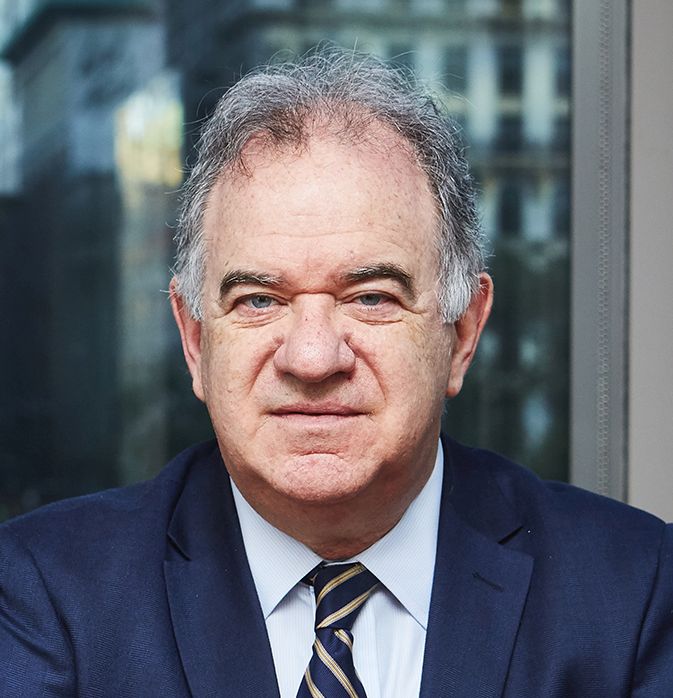
Silviu Itescu, MBBS, FRACP, CEO, Mesoblast Limited.
Silviu Itescu, MBBS, FRACP, is the Chief Executive Officer and Managing Director of Mesoblast Limited. Dr. Itescu has served on Mesoblast’s board of directors since the company’s founding in 2004, was Executive Director from 2007, and became Chief Executive Officer and Managing Director in 2011.
Prior to founding Mesoblast in 2004, he established an international reputation as a physician scientist in the fields of stem cell biology, autoimmune diseases, organ transplantation, and heart failure.
Dr. Itescu has been a faculty member of Columbia University in New York, and the University of Melbourne and Monash University in Australia.
In 2013, Dr. Itescu received the inaugural Key Innovator Award from the Vatican’s Pontifical Council for Culture for his leadership in translational science and clinical medicine in relation to adult stem cell therapy. In 2011, he was named BioSpectrum Asia Person of the Year. He has consulted for various international pharmaceutical companies, has been an adviser to biotechnology and health care investor groups, and has served on the board of directors of several publicly listed life sciences companies.
In this 2,966 word interview, exclusively in the Wall Street Transcript, Dr. Itescu details the current status of Mesoblast Limited (NASDAQ:MESO) allogeneic cell therapy, focusing on life-threatening inflammatory diseases.
“We’ve got several platform technologies around allogeneic cell therapy, focusing on life-threatening inflammatory diseases, with a unique technology that is immunomodulatory that is able to change some pretty substantial outcomes around survivability of pretty bad diseases, disease states. We’re in late-phase development.
Our lead product is before the FDA. We’re aiming to reduce the very high mortality associated with children who’ve got a devastating complication of a bone marrow transplant called acute graft-versus-host disease.
That same product is also being evaluated for reducing mortality in patients with the most severe forms of inflammatory lung disease due to COVID-19. They’re our lead product candidates.
Sitting behind that is a product targeting severe heart failure, again, focusing on reduction in mortality. And a final product looks at severe inflammatory back pain, where we think that we can make an impact on the opioid epidemic.”
The FDA is currently reviewing the lead product for Mesoblast.
“…We had excellent results in Phase 3.
We achieved the pre-specified primary endpoint of Day 28 overall response and achieved a significant outcome around survival benefit in children with steroid-refractory GVHD.
For children under 12, there is no approved therapy. In these children, mortality rate approaches somewhere between 70% to 90%. So it’s a real bad disease, a real unmet need. We’ve demonstrated through the submission process and with a 9-to-1 positive vote by the ODAC panel — there was agreement that we demonstrated both safety and efficacy for these children for whom there is no approved therapy.
Our focus is on demonstrating to a sufficiently high standard to the FDA that if approved, the product maintains lot to lot consistency every time we make it. Obviously, in the Phase 3 trial, the product demonstrated consistency because the results speak for themselves.
We’ve continued to make the product. And we have established new assays that I think continue to even further underline that we understand the mechanism of action and that go to the heart of the mechanism that the cells go through in order to improve the outcomes in these steroid-refractory GVHD patients.
And so we think that we will have alignment with the FDA because the potency assays now are very much in line with the disease process, how we think the cells turn off the disease process. And we think that it’ll allow us to be very confident, and for the agency to be confident, that as the product is hopefully in the marketplace, it will demonstrate that every lot behaves exactly the same way as the lot before.
That’s really what the FDA wants. They want to see that we’ve got a handle on the mechanism, that we have a handle on the production, that there’s no differences in production from every product that goes out the door.”
The same medication was used in COVID 19 treatments by Mesoblast:
“There were a lot of similarities between how the cells work in graft-versus-host disease and how we thought they were likely to work in COVID-19 inflammatory disease of the lung. And so we initiated a compassionate use program, which showed a clinically important survival effect.
We saw a very positive signal with nine out of the first 11 patients treated under an emergency IND at Mount Sinai Hospital were able to come off ventilators and were successfully discharged.
And on that basis, we moved forward with the FDA’s agreement to initiate a randomized, controlled 300-patient study.
What we had not understood at the time is that age was a very, very important factor in outcome. It was very early in the pandemic and wasn’t clear. And in fact, I think something like 10 out of the first 11 patients that we treated in the emergency IND were all under the age of 65, were relatively young patients.
We actually chose to give just two doses, as opposed to eight doses as is currently used in graft-versus-host disease. Two doses to these patients in the first five days to see whether we could improve outcomes. And in patients who are younger, under the age of 65, what we saw was a 46% reduction in mortality through at least 90 days.
And if you’re alive through 90 days, you’re alive and you’re doing well. That is on top of existing standard of care. And that’s a great outcome.
We didn’t see the same benefit in older patients. And the reason for that we believe is that age is really a biomarker of a poor immune system that cannot handle the virus well. And so older people have got much higher levels of virus and much higher levels of inflammation than younger people.
And I think what this says to us is that we picked the right dose to see a survival benefit in younger, healthier patients, where the mortality is still a big problem.
I mean, you still have a 40% to 50% death rate in younger people who end up requiring invasive mechanical ventilation in the ICU. If you can have a reduction of that magnitude in this population, you’ve got something that’s really important.
With respect to the older people, I think, we’re going to need to explore a higher dose range or maybe a more repeated dose regimen. Many other drugs, including vaccines, are being found that they will require repeat dosing or high dosing in older people, whose immune systems are not handling the virus as well.”
Read the entire 2,966 word interview with Dr. Itescu, CEO of Mesoblast Limited (NASDAQ:MESO), exclusively in the Wall Street Transcript.
Dr. Silviu Itescu, CEO & Managing Director
Mesoblast Limited (NASDAQ:MESO)
55 Collins Street, Level 38
Melbourne 3000
Australia
email: info@mesoblast.com

Matt Phipps, Ph.D., Biotechnology Analyst, William Blair
Matt Phipps, Ph.D., a biotechnology analyst, joined William Blair & Co, LLC, in November 2014, after working as a postdoctoral research fellow at Texas Scottish Rite Hospital for Children. In the 2019 StarMine Analyst Awards from Refinitiv, Dr. Phipps was ranked the No. 1 earnings estimator in biotechnology and No. 3 across all industries.
Dr. Phipps earned a Ph.D. in cellular and molecular physiology from the University of Alabama at Birmingham and a B.S. in physics in medicine from the University of Notre Dame.
In this 3,974 word interview, exclusively in the Wall Street Transcript, Dr. Phipps has the top stock recommendations he’s making from his William Blair post.
“I think generally there are definitely some attractive companies that have pressured stocks, absent of individual performance, just kind of broader pressure across the biotech industry.
And I think that’s definitely where you get some nice opportunities when you’re thinking about the next six to 12 months for these specific companies.”
The William Blair analyst has several picks.
“One of my favorite names going into the last quarter includes Chinook Therapeutics (NASDAQ:KDNY), which is a company focused on developing novel drugs for kidney diseases — devastating kidney diseases…
It’s a small-cap company, $600 million market cap. And all clinical trial drug development does carry risk. This one is not approved. It’s in mid-stage development.
Yet it’s already passed a good amount of the safety hurdles. It looks to be safe. Obviously, we’ll continue to look at longer treatment periods, but the initial treatment periods looks to be safe.
And what gives me confidence here is that there are a number of different data points that are all lining up. This drug targets a protein called APRIL, the acronym for a proliferation-inducing ligand. APRIL is kind of a growth factor for certain immune cells.
And so there’s been some data showing that in this population of IgAN patients, APRIL’s probably what’s driving the accumulation of these proteins that accumulate in the liver, which are immune-related proteins. And that kind of drives the kidney damage. And many of these patients will have to go on dialysis and may need kidney transplants.
And so, the ability to block that protein from building up in the kidneys would really change the course of disease for these patients and could keep them from ever really needing to go on dialysis.
So that’s a big win for the patients and a big win for society because dialysis is, one, very expensive; and two, has poor outcomes and leads to other comorbidities just from having to go through the dialysis procedure regularly.”
Another top pick from the William Blair expert Dr. Matt Phipps is Autolus Therapeutics (NASDAQ:AUTL).
“When thinking about results here towards the end of the year, and also some going into next year, we like a company called Autolus Therapeutics (NASDAQ:AUTL). It is a $530 million stock. So in the small-cap range. They are developing very novel oncology drugs called CAR T therapies.
So there are a couple of CAR T therapies already approved. CAR T is a process where you take a patient’s white blood cells, and you engineer those white blood cells so that now they know which cells to target, which tumor cells to go after. It is a complex process. But it has shown dramatic results in patients with leukemia, lymphoma and multiple myeloma. And will expand hopefully into additional indications over the next couple of years.
Autolus does not yet have an approved drug, but they do have one that’s in that last stage of development, the pivotal trial. The results from that trial will come out mid next year. So that’s the next year catalyst, but they’re looking at the same drug in additional indications and they’ll have data from those towards the end of this year.
And so the pivotal trial, the lead indication there that can get them approval, first is in patients with adult leukemia. These are obviously going to be patients who have previously been treated with chemotherapies and other available therapies and unfortunately have relapsed. And this is really what could give them that long-term cure that obviously everybody wants.
And the data so far for this drug has looked very strong and that’s what gives me confidence in treating a number of patients across different tumor types. They consistently see that this drug looks to be a nice combination of efficacy and safety compared to the competition. It is a very efficacious, but also it doesn’t require as much physician interventions.
That’s one shortcoming about some of these CAR T therapies — that is the first ones that were approved. Patients must be closely monitored, especially in the first week, because if that immune system gets too active, and those engineered immune cells are too strong, the patient’s going to need some intervention to try to prevent the immune system from going too far and damaging the patient.
This intervention could be something like steroids, but it could also be admitting to the ICU for IV drugs and monitored closely.
Autolus’ drug seems to be much safer than those, doesn’t require as much intervention, and doesn’t require as much patient management after you infuse it, which ultimately could lead to it being more broadly adopted after approval. That’s largely because there are definitely some smaller institutions that are hesitant to start giving these CAR T therapies because they don’t have the resources to monitor patients for the first week.
That’s one of the advantages of the Autolus lead drug. And also, it does look like it’s a little bit more efficacious. It’s not like they can run a trial comparing these drugs side by side, but when we make comparisons from one trial to another trial, it looks encouraging for Autolus. And they have additional trials that are ongoing as well. They’re looking at types of lymphoma, and they’ll have data from those later this year.
We believe you can value this lead indication in the adult leukemia at, say, maybe a $300 million to $500 million market opportunity as far as revenue from that. And then, when you look at some of the lymphoma indications, they could really expand the market for their lead drug, called AUTO1, and could potentially push into that blockbuster range.
Those additional indications are still at an earlier stage trial, so they have to get good results there and then launch a new trial. But could very well provide additional upside longer term.”
Get the complete picture on Autolus, and the rest of Dr. Matt Phipps top biotech stock picks from William Blair by reading the entire 3,974 word interview, exclusively in the Wall Street Transcript.
Matt Phipps, Ph.D., Research Analyst
William Blair & Company
email: mphipps@williamblair.com

Geulah Livshits, Ph.D., Senior Research Analyst, Chardan
Geulah Livshits, Ph.D., is a Senior Research Analyst at Chardan covering biotech companies with a focus on gene editing and oncology.
Dr. Livshits joined Chardan in the spring of 2018, after a career as an academic scientist. Prior to joining Chardan, Dr. Livshits was a Postdoctoral Research Fellow in the laboratory of Dr. Scott Lowe at Memorial Sloan Kettering Cancer Center, where she developed CRISPR and RNAi approaches to study pancreatic cancer in vivo and in organoid models. Dr. Livshits conducted her thesis research in the laboratory of Dr. Elaine Fuchs at The Rockefeller University, where she studied mechanisms of skin development and regeneration.
Her doctoral and postdoctoral work has been published in peer-reviewed academic journals including Nature, Nature Medicine, Nature Biotechnology, eLife, PNAS, and Human Gene Therapy. Dr. Livshits received her B.S. from Brandeis University, her Ph.D. from The Rockefeller University, and was a Postdoctoral Research Fellow at Memorial Sloan Kettering Cancer Center.
In this 2,929 word interview, exclusively in the Wall Street Transcript, Dr. Livshits describes the current highlights for the sector and recommends her top stock prospects for investors.
“…It’s been exciting to see that start to play out over the past several years with Novartis’ (NYSE:NVS) acquisition of AveXis back in 2018, and Zolgensma’s subsequent rollout in spinal muscular atrophy, which enabled kids to retain mobility. And more recently the authorization of Moderna’s (NASDAQ:MRNA) COVID-19 vaccine and the similar vaccine from Pfizer (NYSE:PFE) and BioNTech (NASDAQ:BNTX) have now been deployed to millions of people and are saving lives as we speak.
And we’re now starting to see clinical signals with gene editing as well. First, a few years ago for engineered cell medicines from companies like Allogene (NASDAQ:ALLO), Cellectis (NASDAQ:CLLS), and CRISPR Therapeutics (NASDAQ:CRSP), and more recently, with Intellia Therapeutics (NASDAQ:NTLA) reporting initial data for CRISPR editing in the body. So it’s an exciting time for innovation in biotech overall and genetic medicines in particular. I’m happy to be part of that.”
The Chardan analyst Geulah Livshits opines that the pace of clinical trials has picked up and has created significant investment opportunities.
“Within the areas of genetic medicines that we focus on, from a big picture standpoint, the past year has been a big year for CRISPR gene editing; its discovery was awarded the Nobel Prize last October. And then this summer, we saw the first human data where the CRISPR enzyme was delivered inside the body. Again, the program was from Intellia Therapeutics, and that was very promising.
Initial biomarker results suggested that the drug was doing what they would expect it to be doing based on what was shown in animal studies. And we’ve also seen an increasing durability of effects in a cell therapy program from CRISPR Therapeutics and Vertex (NASDAQ:VRTX) for sickle cell disease.
It’s important to keep in mind that this field is still in its early stages, but we’re seeing signals that for example, with Intellia’s data, gene editing works in humans at levels that would correspond to clinically meaningful results.
More generally, an important point is that we’re seeing good translation from preclinical, either animal or cell culture models, which provides some de-risking to the technologies that are involved. And that creates broader tailwinds for the space and increased enthusiasm in gene editing that we have seen.
It’s notable that with Intellia’s program, the editing uses a technology similar to the mRNA vaccines from the COVID space. It’s an example of using two different innovative technologies, both of which had a big year. So we expect to see more of such combinations of innovative technologies going forward.
Gene editing can also be combined with other modes of delivery, including AAV viral vectors. And those have been the predominant technology of choice to deliver gene therapies inside the body.
Editas Medicine (NASDAQ:EDIT) is using an AAV approach to deliver CRISPR enzyme to treat inherited retinal disorder and will be reporting initial human data at the end of this month, which also will be an important catalyst in the space. And LogicBio Therapeutics (NASDAQ:LOGC) is advancing nuclease-free genome editing therapy for a pediatric metabolic disease, and also plans to report initial data at the end of the year.”
Chardan analyst Dr. Geulah Livshits is also a big promoter of gene editing companies:
“In terms of upcoming important data readouts, as I mentioned, Editas and LogicBio are gene editing companies with near-term catalysts that could drive performance. EDIT will be reporting initial human in vivo editing data at the end of this month. This will be the company’s first clinical data readout and the first in vivo editing readout with AAV-delivered CRISPR enzyme in humans.
The interesting thing about this is more that it’s a proof of concept of the technology platform, rather than necessarily the importance of the market size of the indication itself. It’s a rare disease, but we saw Intellia perform on the back of its initial data readout; we saw CRISPR Therapeutics perform on the back of its initial data readout. And we’ll have to see what the data look like, but that’s an important catalyst for the space as well.
LogicBio is also a gene editing program, but it doesn’t use CRISPR technology; it’s a nuclease-free in vivo editing platform. And they’re currently in the clinic in pediatric patients with methylmalonic acidemia, a metabolic genetic disorder. And valuation there has been lagging also. So we think that there’s potential for the stock to bounce back on signals of activity. For example, they have circulating biomarkers that could indicate the presence of editing, and that would again serve as some validation of the platform.
So basically, in the gene editing space, we’ve seen considerable inflection and value on clinical proof of concept for a technology. And as a new emerging technology, that’s something that’s been very important. And each of these companies has been advancing slightly different variants of gene editing technology, which is why each time we’ve been seeing performance on the back of encouraging data.”
Chardan is a big promoter of Regenxbio (NASDAQ:RGNX), and Geulah Livshits points out this this stock has an important announcement coming today:
“As I mentioned, a number of gene therapy names have lagged behind in performance, and could be at favorable entry points ahead of data. For example, another gene therapy program that is also coming soon at the end of the month is data for Regenxbio (NASDAQ:RGNX).
This company has a broad pipeline of programs that uses a variety of AAV vectors. The lead, the most mature program, is in pivotal studies for wet age-related macular degeneration and diabetic retinopathy. And the company has generated encouraging data using a slightly more invasive surgical approach called subretinal delivery, but they’re also advancing a less invasive in-office approach called suprachoroidal delivery.
So this mode of delivery is important in terms of market penetration. They will start reporting data from patients treated with this less invasive delivery on October 1st.”
Get the complete 2,929 word interview, exclusively in the Wall Street Transcript with Dr. Livshits for all of the professional Chardan analyst gene therapy stock recommendations.
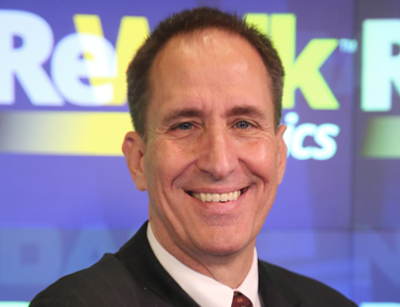
Larry Jasinski, CEO, ReWalk Robotics (NASDAQ:RWLK)
Larry Jasinski has served as Chief Executive Officer and as a member of the ReWalk Robotics (NASDAQ:RWLK) board since February 2012.
From 2005 until 2012, Mr. Jasinski served as the President and Chief Executive Officer of Soteira, Inc., a company engaged in development and commercialization of products used to treat individuals with vertebral compression fractures, which was acquired by Globus Medical in 2012.
From 2001 to 2005, Mr. Jasinski was President and Chief Executive Officer of Cortek, Inc., a company that developed next-generation treatments for degenerative disc disease, which was acquired by Alphatec in 2005.
From 1985 until 2001, Mr. Jasinski served in multiple sales, research and development, and general management roles at Boston Scientific Corporation. Mr. Jasinski holds a B.S. in marketing from Providence College and an MBA from the University of Bridgeport.
In this 2,582 word interview from June of 2021, exclusively in the Wall Street Transcript, Larry Jasinskis details the methods he employs for his company ReWalk Robotics (NASDAQ:RWLK) and discusses the strategic plan for the company.
“Our main product, which we’re well-known for, is called the ReWalk 6.0. We will create additional generations of that as a product made for personal use in everyday life, whether it be at work, in the community, in your home, or people that do special events.
In the other three product lines we have, the largest one is a soft exosuit, a very small, lightweight system that is driven by cables. We did this in a collaboration agreement with Harvard University and brought it to market just before COVID hit.
It is a device for treating those who have had a stroke, and it helps them relearn the proper gait pathways. It works in terms of being able to walk in a traditional gait pattern, to walk faster, to walk further, and to be healthier.
Those soft exosuits will eventually be a formula for us to provide these wearable robotics for multiple sclerosis, and we hope, for Parkinson’s. We still have to build their data for more applications. For stroke, we’ve already brought it to market for use in the clinic.
Our next version of the product is a product you’d use at home. You could use it for a period of therapy, and perhaps longer term for patients who need it for a long cycle of use.”
The development of the ReWalk Robotics (NASDAQ:RWLK) product dates from 2002:
“It’s had roughly nine iterations. Since it gained FDA clearance, we’re in our sixth iteration of the product. We’ve made continuous improvements, whether it be in software or mechanics, to make it easier and safer to use. So it’s evolving, and it will continue to evolve.
There are technologies out there that are developing in parallel to ours that will be able to help us. For example, self-driving cars. Some of the sensors, batteries and technologies that are being built for those kinds of products can be applied here as the future allows.
In the end, this product came about because of better batteries, better software that could copy or mimic human gait, and the sensors that could allow you to control the system through using your body. In the future, we can use the new technologies that develop in other fields to help this population and others who are disabled.”
The current target market for ReWalk Robotics (NASDAQ:RWLK) is in Germany:
“The largest demand is currently in Germany, because their coverage is the most complete. So in 2020 sales, that will probably be our biggest country. The U.S. is not that far behind, because we already have the national coverage policy with the VA. So veterans in the United States have access to these products.
With CMS, I don’t yet know the timing, and if definitively we will succeed. They’ve issued a code, but will they establish a price and a category and sign contracts with us? That will be learned over the next 12 months or so. We believe we have the data to support it. We believe those will be our two anchor markets. The U.S. is currently already positive with veterans. We get most of our case-by-case wins in workers’ comp. Those are the two markets that are leading the way.
Several other countries are active, but at a much lower level. We certainly see activity in Italy, where the workers’ comp is covering at some level. Netherlands is looking at some coverage levels. And the U.K. does a lot through their case law. The rest of the world, at least the larger countries, will follow the U.S. and Germany, I anticipate, over time.”
Larry Jasinski expects ReWalk Robotics (NASDAQ:RWLK) to become the reliable choice for many different assisted walking applications although the COVID 19 global pandemic has lowered sales growth:
“The obvious one on COVID was that the clinics where we would go train patients generally were shut. Our ability to train and convert them to sales was very much interrupted by COVID. Our ability to show this to new users who would be able to evaluate whether it was right for them was completely interrupted as well. It really slowed us down dramatically for about a year.
Now a possible positive output of COVID: One of the challenges with a disruptive technology is it takes a lot of education for people to understand and decide how to use it. As a tailwind, our potential users might have truly grasped the value of home utilization of these kinds of technologies.
We’ve seen a change in mindset in some of the payers developing as they realized the value of being able to manage and improve health from the home. So COVID, yes, it’s been a tough year, but it actually may have taught us something that will help the society and our patients and our products.”
Larry Jasinski states that the current high expectations for ReWalk Robotics (NASDAQ:RWLK) are fueled by the anticipation of further government support:
“Our second half of this year is looking at how much COVID allows us back into the market, which we expect, at the current rate of vaccination that our employees and our customers and our clinics are having, is going to be pretty good.
We’ve done a few things. In the early part of this year and late last year, we did a lot of work to solidify our balance sheet. We’ve done some additional capital raises. We’ve reduced our burn. We’ve eliminated all of our long-term debt. So we believe we have enough of a runway now to take us to breakeven operations.
We have important milestones that will affect us, including a German Federal Court decision, which may even broaden coverage in Germany if it’s positive. That will occur probably sometime this year.”
Get all the details and the complete detail on ReWalk Robotics (NASDAQ:RWLK) in this 2,582 word interview with its CEO, Larry Jasinski.
Larry Jasinski, CEO, ReWalk Robotics Ltd.
200 Donald Lynch Boulevard
Marlborough, MA 01752
www.rewalk.com

John Heffern, Principal and Founder, KCA/Princeton Advisors
John A. Heffern is Principal and Founder of KCA/Princeton Advisors, LLC. His career includes nearly 30 years of senior level portfolio management and equity research mandates. He leverages a deep background in financial services for investment selection across a wide expanse of companies, themes, and factors. The fund follows a qualitatively oriented process in portfolio construction that is unique in the industry.
In his 3,169 word interview, exclusively in the Wall Street Transcript, John Heffern discusses the start and current performance of his asset management firm.
“…We’re approaching five years of operation and that followed almost three years of incubation. The fund is a limited partnership. We are fortunate to be able to say we haven’t had a down year for performance over all those years.
I think our confidence in our strategy comes from 30 years of investment management and sector experience that spans sell-side research, buy-side portfolio management, growth and value investing, as well as corporate governance as an independent director.
So we know our companies, our managements, and business models across the full range of opportunity including banks, specialty financial services, insurance brokerages, asset management REITs and even fintech…
When we say do research, we’re old-school tire-kickers, visiting the companies, meeting the managements, assessing non-quantitative factors like corporate governance as we arrive at a conclusion about where a company may be headed, and how it may be valued or misvalued in the market.
So, we spend a lot of time talking to our sources and thinking about business models, competitive moats, margin opportunities, innovation — all sorts of concepts and ideas that can’t be captured, necessarily, in a quantitative model that looks backward. Our qualitative approach tends to look forward, and focuses as well on execution, reliability and durability.
So the key to that research approach is experience, where we have seen many, many business models, met many, many company managers, and learned the signage of success and failure. That’s what we put to work. We think a qualitative approach has gone from the majority of the investment management research business to the minority. But we like where we sit, and that’s how we approach it.”
John Heffern does not mince words when it comes to ETF investing:
“I think that’s why you’ve seen the industry provide, and the individual retail investor gravitate toward, more passive-oriented approaches to investing, like ETFs and indexes. They have capitulated, ultimately, to the challenge of doing this qualitative research into understanding individual companies.
And really just moved their investment allocations toward broad pieces of the market, whether it’s themes or company sizes — small cap, large cap, value, growth. Any flavor you want is there in terms of baskets for investment opportunity.
And for most people, that’s probably appropriate.
Having said that, we think this environment creates opportunity for investors like us, who still do the work company by company, who have the experience and the capacity and the contacts to sort through the baskets to find the best.
We also believe, for the long run, we can avoid owning a lot of companies that, if you could do the work yourself, you just never would want to own as part of your portfolio.
So ironically, as the world has gravitated toward passive indexing and basket allocations, we think the opportunity for stock pickers like us is enhanced. As we go forward, we have no shortage of ideas, no shortage of opportunities, and are really encouraged about what we see, particularly in the areas where we specialize.”
Due to the increase in liquidity from government management of the COVID 19 crisis, John Heffern and his colleagues see the financial sector as the most lucrative for investors:
“We’re thinking in terms of well-researched baskets of opportunity — it is the theme we’re following within the portfolio. And we’re doing it in two places: first, in the banking space, as we’ve discussed, and second, in the insurance space.
In the banks sector — and you can take all of these or none of these, that’s totally up to you — the basket that we’re using has a handful of companies that come to mind. One is Bank of Marin Bancorp (NASDAQ:BMRC) in Novato, California; Bank of Princeton (NASDAQ:BPRN) in Princeton, New Jersey; Civista Bancshares (NASDAQ:CIVB) in Sandusky, Ohio; and then one more, Preferred Bank/LA (NASDAQ:PFBC), which is an Asian-American bank.
All of these are well capitalized, well managed, strong franchises in good markets, where we see growth opportunity. But ultimately, we see them as consolidation candidates which could gain as they are sold to larger organizations consistent with the consolidation theme we are seeing across the industry.
Turning to the insurance sector, we find different circumstances. As we talked about, banks are chasing loan demand and pricing is very competitive. The insurance business, particularly property/casualty insurance, is benefiting after a decade of intense price competition from very favorable conditions where demand is strong and pricing is actually going up meaningfully.
And so our basket of opportunity there too is focused on well managed, well capitalized players who benefit from this development.
Two property/casualty insurers in particular come to mind: Chubb LTD (NYSE:CB), The Hartford Financial Services Group (NYSE:HIG), and then our favorite insurance turnaround remains American International Group (NYSE:AIG), which after 10 years of restructuring itself seems to have finally turned the corner and still looks very inexpensive to us.
So that’s our basket of opportunity approach, as we look across banks and insurance companies.
And if we finished with a look at financial technology, which we spent a lot of time talking about, the ideas in our portfolio that match the theme are MasterCard Inc. (NYSE:MA), PayPal Holdings (NASDAQ:PYPL) and Square (NYSE:SQ), all very firmly in payment services networks around the globe and places where business and opportunity seem to be gravitating as it all moves away from the legacy financial services companies.”
To get all the detail on these and other top picks from John Heffern, Principal and Founder of KCA/Princeton Advisors, read the entire 3,169 word interview, exclusively in the Wall Street Transcript.
John A. Heffern,Founder & Principal, KCA/Princeton Advisors, LLC.
email: jaheffern@kcaconsult.com

Sylvia Jablonki, CIO, Defiance ETFs
Sylvia Jablonski is Chief Investment Officer for Defiance ETFs. Ms. Jablonski manages Defiance’s retail and institutional investment research, capital markets and thematic ETF model portfolios. She is a recognized pioneer in the ETF industry.
Acknowledged as a top expert in the ETF space, Ms. Jablonski is frequently featured on CNBC, Bloomberg and in The Wall Street Journal.
In her 3,467 word interview, exclusively in the Wall Street Transcript, Sylvia Jablonski discusses the start up of her asset management firm Defiance ETF and what makes it different:
“One of the other Defiance co-founders, Matt Bielski, and I had worked together at Direxion for some time, and developed a business together within one, so when he left to start Defiance, I knew it would disrupt the ETF industry and pave a new and exciting future.
I joined him, Paul Dellaquila, Jacob Ingram, and the four of us were just really motivated to build out not only a new ETF company that thinks about things differently, but a fintech asset management firm that would challenge everything.
So on the ETF side, we tend to launch products that are different, and we think about innovation and disruption and what the next decade will look like — as in the trillions of dollars that are sitting with baby boomers, plus are eventually going to trickle down to the kids that have started trading now during COVID that are between, let’s say, those from 13 to 30.
I don’t know that there were products that are perfectly targeted to them and their needs.
So we tried to think about who’s the next-generation trader, and what is the next generation of interesting product indices, themes, disruptors, innovators, and we launched our products based on that thesis. We also have a part of our company that is focused on digital marketing and distribution 2.0.
We disrupt marketing and old-school classic advertising that doesn’t necessarily work in the financial sector, with new and innovative ways to create stellar product messaging to the public.
Then there are some other things that we’re working on too whereby eventually we’re going to be a full-fledged fintech asset management firm serving everything from products, investing and marketing.
It is a super exciting time for us.”
Sylvia Jablonski discusses her methodology for constructing a new ETF:
“What we do is look at companies that are involved in managing volume — the amount of data, the volume of data — and we’re looking at data that’s collected from different programs, databases, languages, takes different shapes in terms of files, whether sizes, Excel, CSV, SQL, video, text, PDF, graphics, whatever it might be.
We look at the companies that gather all of that data.The next thing that we do is we look at companies that make it readable and accessible and sort of analyze it. We look at companies that are involved in the Internet of Things, so data infrastructure, for example, as in API management companies.
A couple examples are Splunk (NASDAQ:SPLK), Cloudera (NYSE:CLDR) for big data analytics, and, for accessibility, that would be a Palantir (NYSE:PLTR) and a Snowflake (NYSE:SNOW). So basically, we analyze the universe for who these companies are and then we come up with the rules.
The index that we track — we work with an index provider and we give them the information to come up with the parameters for the index.
So that provider is the BlueStar Big Data & Analytics Index, and it pretty much tracks companies that get at least 50% of their revenue from the sub-themes that I just discussed, so data management, platform, development operations, analytics, visualization software, API software.
There are companies that have to have at least $500 million of market cap, and an ADV of at least $3 million in the last couple of quarters and listed on a National Stock Exchange. So we look for pure-play big data companies and essentially create this index that tracks them.”
Defiance CIO Sylvia Jablonski is on the look out for hot sectors to develop into easy investable ETFs for her customers:
“We launched our psychedelic ETF. We’ve launched a hydrogen ETF. So we have quantum computing, 5G, a couple other ETFs. Those listings are the more recent disruptors…
I don’t know that ETFs have to be particularly helpful in terms of combating inflation, but they give you access to sectors that perhaps do well in inflationary markets. With us, we don’t really think that there will be a big impact on our specific themes as they are lifelong opportunities almost regardless of the day-to-day news.
For example, psychedelics aren’t going to be impacted by inflation. Hydrogen, the conversion to alternative energy, so much of that is going to be based on spending, and government spending seems to be going towards infrastructure and alternative energy build out. So we don’t think that inflation will impact that negatively. We don’t really have any consumer discretionary ETFs and perhaps consumer-based ETFs will suffer.
I mean, I personally just don’t think that inflation is going to be the thing that sets us back in the markets. I think that I’m on the side of saying it’s transitory. I think it’s going to stay at certain levels, and perhaps grow a little bit more, but I’m more in the camp of I don’t think that used cars are going to continue rising 45% every quarter over quarter. I just think that a lot of this stuff is targeted to the reopen and it’s hitting a lot of those sectors.
So I think that the things that we do are sort of longer-term things. They are five to 10 years out. Quantum computing is just getting started, right? I don’t think that you could argue that the prices for semiconductors will not be higher for these companies who run these computers. But I don’t really think that there are things that are going to hold it back.”
Get the complete picture and all the detail by reading the entire 3,467 word interview with Sylvia Jablonski, CIO of Defiance ETFs, exclusively in the Wall Street Transcript.
Sylvia Jablonski, Chief Investment Officer
Defiance ETFs
www.defianceetfs.com
email: info@DefianceETFs.com

Gbola Amusa, MD, Healthcare Research of Chardan
Gbola Amusa is Partner, Director of Research and Head of Healthcare Research of Chardan. Dr. Gbola Amusa joined Chardan at the end of 2014 to focus on identifying companies that will generate exceptionally high long-term investment returns by creating shared value for society.
Dr. Amusa was previously Managing Director, Head of European Pharma Research, and Global Pharma and Biotech Coordinator at UBS, where he oversaw 25 analysts and ultimately finished as the number-one-ranked European pharma analyst in the Institutional Investor — II — Survey.
Dr. Amusa earned his BSE from Duke University, an M.D. at Washington University Medical School and his MBA from the University of Chicago Booth School of Business.
In this 5,116 word interview, exclusively in the Wall Street Transcript, Dr. Amusa states the case for Regenxbio (NASDAQ: RGNX):
REGENXBIO will get 10% of sales presumably, and that could turn REGENXBIO into a profitable company.Profitability is sometimes a metric that some investors use for just screening, so when you have higher demand for stock and more investors are interested, then all things equal, the stock goes up.
Obviously, REGENXBIO can generate a decent amount of royalty income that can be reinvested for growth, such as for furthering its own internal pipeline. REGENXBIO is interesting on another level since the market only models five to seven of its products, so that’s one level.
The second level is that REGENXBIO this year with its wet age-related macular degeneration program could produce data sets that convince people that gene therapy can be used for a mass-market disease.
Years ago, we took the view that you’re going to see initial successes in monogenic diseases, which are rare diseases, generally speaking, related to which patients were basically missing a protein. The gene therapy leads to gene replacement and protein replacement, so it is an easy solution and low-hanging fruit.
But there are diseases like wet age-related macular degeneration where there are literally over a million people in the U.S. and maybe 2 million to 3 million people in the key drug markets of U.S., Europe and Japan, so even capturing a small percentage of the market, as in a very small percent, could lead to a blockbuster since gene therapies are priced upfront for anywhere from five years to 10 years of benefit.
The company can generate a tremendous amount of revenues in an unpartnered way if the wet AMD product starts to show signs of success, which some would argue they have already shown and some would argue they need to show more, but even just a shifting of the market’s probability modestly upward on REGENXBIO can lead to stock performance.
This is because Eylea and Lucentis, the two products that dominate wet AMD and other retinal diseases, generated $10.5 billion in sales last year. If a gene therapy provides five years of Eylea- or Lucentis-like benefit, five times that figure would be over $50 billion for a market opportunity.
These are very vast markets in relation to REGENXBIO’s market cap.
So if the company proves that gene therapy can be used to make a drug that already is known to work, i.e., Lucentis, which is what REGENXBIO is trying to do with its ranibizumab product, then it opens up many mass-market opportunities for gene therapy. That, to me, is a defining product for gene therapy, if it works. So REGENXBIO is also potentially on the verge of history.”
Dr. Gbola Amusa was a firm believer in the potential of Regenxbio for many years. In this 2018 interview also exclusively in the Wall Street Transcript, the Chardan analyst Dr. Amusa identified several gene therapy companies as potential acquistion targets, including AveXis, which was acquired shortly thereafter by Novartis.
“AveXis, which vastly outperformed as one of our top picks in 2016 and 2017, could file on Phase I data in SMA type 1. We have highlighted AveXis as an M&A target as well, potentially by any of the number of larger-cap players who have shown interest in spinal muscular atrophy.
Regenxbio (NASDAQ:RGNX) is our top pick in gene therapy since it trades at modest valuation, despite roughly 10 partners, including AveXis, and roughly 25 products in development, of which more than 10 are in the clinic. We have highlighted foreign companies that are trading at big discounts to Nasdaq-listed peers with similar fundamentals. These include GenSight (EPA:SIGHT), Lysogene (EPA:LYS), Oxford BioMedica (LON:OXB) and ToolGen (KONEX:199800).
Gbola Amusa, Partner, Director of Research & Head of Healthcare Research
(646) 465-9000
www.chardan.com

Dana Telsey, CEO and Chief Research Officer of Telsey Advisory Group (TAG)
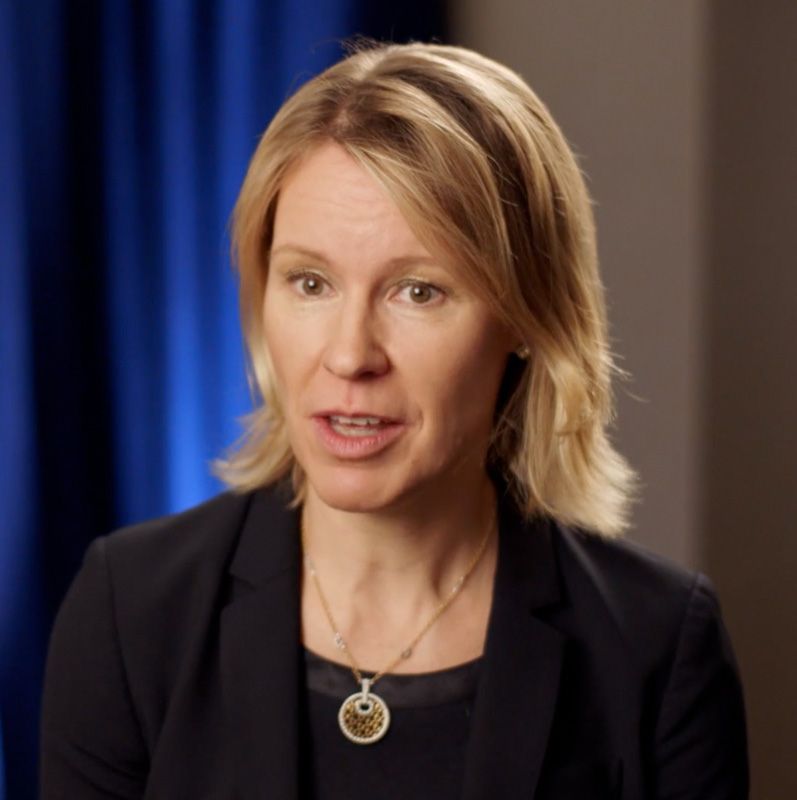
Kimberly Greenberger, Managing Director, Morgan Stanley
Dana Telsey is the CEO and Chief Research Officer of Telsey Advisory Group (TAG). Telsey Advisory Group was founded in 2006 and Telsey Consumer Fund Management LP, an asset management firm, was founded in 2016. Ms. Telsey has followed over 100 companies during her 30-plus year career. From 1994 to 2006, she worked for Bear, Stearns & Co., covering the retail sector as a Senior Managing Director. Earlier, Ms. Telsey was the Retail Analyst at C.J. Lawrence and Vice President of the Baron Asset Fund at Baron Capital. Ms. Telsey was recognized for her leadership in finance by Barron’s, on their list of the 100 Most Influential Women in U.S. Finance on their inaugural list in 2020 and again in 2021.
Kimberly Greenberger, a Managing Director in Retail Research, joined Morgan Stanley in 2010. She focuses on North American specialty apparel and department stores and has covered the apparel industry for nearly two decades. She is also a Chartered Financial Analyst. Ms. Greenberger consistently ranks among the top analysts for coverage of the retail sector in industry surveys from Institutional Investor, The Wall Street Journal, and others.
These two professional equity analysts recently reviewed the retail stock landscape, exclusively for the Wall Street Transcript, in interviews totalling 5,403 words.
Dana Telsey sees a new era of “supercharged change.”
“It’s been a time of what we call supercharged change. One of the things that happened with the pandemic, a lot of the headwinds that were being discussed over the past few years have really been minimized, and to some extent, eliminated, given the force of the pandemic. The headwinds included: Why go to a store? And now, the essential need for a physical store is greater than ever and integrates seamlessly with digital and creates socialization that consumers crave, and drives conversion…
With the hybrid work model that looks like it will be in place, at least over the next few years, it is going to lead to what will be an always-work-from-home environment. We’re almost seeing more work hours than we would have expected before, because of the reduction in commuting time.
I think the future for the near-term in office may only be two to four days per week, because what we need is that collaboration. We need that culture building. We need the experiences that you get from training in office, from meetings that basically create memories.
The other element of supercharged change is schedules. Given the fact that we can virtually communicate, we are seeing multifunctional activities and placemaking. The home being multifunctional as an office, exercise center and an entertainment center.
And take a look at people’s schedules. We’re seeing schedules where all of a sudden, medical appointments or other activities have more flexible time options, allowing for greater control of one’s schedule. Basically, if you have staff that is more satisfied, they may be more productive workers, also.
The other element of supercharged change would be personal technology. With personal technology, connectivity and speed are essential. The ability to communicate anywhere, anytime is the benefit. And now its use has only increased.
Next, I think of supercharged change being about contactless commerce — contactless payments that are replacing cash given the focus on safety. In addition, buy online, pickup in store, curbside pickup, faster delivery are all other contactless options.
And the last part of supercharged change is a return to nature. The outdoors is providing peace of mind. And, given that it takes 66 days to form new habits, increased outdoor activities may be longer lasting.”
One of the points of change that Dana Telsey reviews is the retail mall experience:
“I think right now what we’re seeing is the greatest strength happens to be open air. Outdoor centers that are grocery anchored are very compelling. And they’re able to get back to sales and/or traffic at or near 2019 levels.
Some of the best enclosed malls also have seen a resurgence in traffic with the increase in vaccinations.
Through socialization, the camaraderie, the ability to engage, they create an experience that is what makes people want to go to stores. Yes, malls are going to change. They’ve been undergoing change. But those very best malls with locations around strong demographic areas — these areas that are growing in terms of the number of people, growing in terms of household incomes — are compelling.
And whether it’s hotels, restaurants, museums, medical, health and wellness, or whether it is co-working, we’re seeing new usages, and new business models going into these malls.
I think the mall of the past isn’t the mall of the future. It may not even be called a mall. Community shopping centers are basically the new term for the future. What helps drive it is community and engagement, along with entertainment that includes the services of food, beverage and restaurants.”
Kimberly Greenberger has also seen a rebound from e-commerce to physical stores:
“…In fact, retailers like TJX (NYSE:TJX), Ross (NASDAQ:ROST), Burlington (NYSE:BURL) that really do not have an e-commerce presence or much presence online, those retailers were actually able to restore their in-store traffic levels to pre-pandemic levels earlier this year.
So not all of the non-essential stores have seen a full recovery in store traffic.
But what we are seeing is that, in general, the retailers have recovered back to 2019 levels of revenue, as a result of either a combination of restored store traffic, as is the case for TJX, Ross and Burlington and their U.S. operations, or the combination of a much higher e-commerce business and the store business that is still below 2019 levels.
But on balance, their revenue has recovered to pre-pandemic levels. And I think they’re sitting in very good shape today compared to where they were, let’s say, a year ago.”
The Morgan Stanley Managing Director Kimberly Greenberger sees further improvement for these retailers:
“…In addition, Ross and TJX and Burlington, the retailers who’ve seen the fastest rebound in in-store traffic, they responded very, very quickly to changing buying behavior among consumers.
So consumers, certainly, were not very interested late last year or early this year in purchasing work apparel or suits, or in many cases, special occasion dresses. They were interested in being comfortable, because many of them were working from home.
If they were working out of the home, they really needed to dress very comfortably for the job. And so they adjusted the inventory on hand for those changing preferences.
They also, in many cases, enhanced the offering of home-related merchandise in their stores. Most of us were spending a lot more time at home over the last year and a half than we had previously and we got tired of our interior decoration.
We wanted a bit of change, or we wanted more comfortable chairs or more comfortable desks to work from, or just a few more conveniences at home. And so consumers were buying products to enhance their quality of life at home, more so over the last year than we had seen previously.”
Get the complete picture from these two highly experienced equity analysts by reading both interviews in their entirety, only in the current Retail Report from the Wall Street Transcript.

Regina Chi, Portfolio Manager, AGF Investments
Regina Chi, CFA, is Vice-President and Portfolio Manager at AGF Investments Inc., with lead responsibility for the AGF Emerging Markets strategies. She has an investment philosophy consistent with AGF’s Global Equity Team and looks for quality companies that have long-term sustainable competitive advantages at attractive valuations.
Ms. Chi brings more than 25 years of international equity experience to this role. She was most recently a partner at a boutique U.S. investment firm, where she served as portfolio manager for the Emerging Markets and International Value disciplines.
Regina Chi is a CFA charterholder. She received her Bachelor of Arts in economics and philosophy from Columbia University.
In this 2,425 word interview, exclusively found at the Wall Street Transcript, Regina Chi details her investing philosophy that leads to undiscovered high return stocks in developing markets.
“AGF focuses on investment management services and offers a broad range of investment strategies across the asset class spectrum. I’m on the global fundamental team, and we manage active public equity strategies from global to emerging markets, as well as single countries such as the U.S. I have over 25 years of global equity experience covering developed and emerging countries.
I am the lead portfolio manager of the AGF Emerging Markets Fund. Out of all the asset classes I have managed, I am most passionate about emerging markets — EM — where there is faster GDP growth and an increasing middle-income class dominated by Asia.
EM has the greatest scope for enormous change, predominantly due to digitalization where there is leapfrogging of legacy assets and businesses into the digital world.
The EM asset class is also exciting because it has evolved the most — from being dominated by energy and materials to technology and consumer discretionary…
We actively manage an all-cap, style-neutral global emerging market product.
We maintain a core approach, and we use a combination of quantitative and qualitative analysis for stock selection as well as for country selection. Our key competitive advantage as an EM portfolio manager is that we have dual sources of excess returns.
One is our bottom-up stock-picking focus on quality and strict valuation methodologies, as well as our country allocation framework. We are very focused on owning high-quality companies that consistently earn a rate of return above their cost of capital and have attractive valuations and a fundamental catalyst.
I took over the Fund on January 1, 2018, and overall, the performance has been very solid.
The fund is a core strategy with growth and value stocks, and benchmark agnostic and style neutral.
Our turnover is quite low, less than 40% because we have a long-term time horizon.
From a regional perspective, we are overweight Eastern Europe and Latin America and underweight Asia.
As of the second quarter of this year, we maintain a slight underweight to China and Hong Kong.
We are overweight India, South Africa and Brazil. Our sector weightings are a byproduct of our bottom-up stock selection. So rather we focus on country allocation and bottom-up stock picking.”
Regina Chi has taken a somewhat contrarian view on the India stock market:
“India has had one of the worst COVID surges over the past couple of months, and it really has knocked growth prospects. However, what’s clear is that the impact to the economy from the second wave was considerably smaller compared to the first wave, which was the summer of 2020.
What’s different this time is that the Indian firms have been able to learn to live with the virus.
With the vaccination supplies improving, the economic outlook is actually getting better. The central bank remains very accommodative. What we like about India is that you have over 1.3 billion people, where growth is among the highest in the world, besides China.
We can find a plethora of long-term, high-quality companies there.
For example, we like Varun Beverages (NSE:VBL) which is the largest PepsiCo (NASDAQ:PEP) bottler in India. This company has been able to show an exceptional track record in tripling their business over five years as they have been able to acquire more territories within India and diversify outside of carbonated drinks into juices and coffee.
We expect Varun Beverages to continue to have strong topline growth and margin expansion.”
One of Regina Chi’s current picks has an exposure both to the China economy and the green technology:
“Most of my high-conviction names are not listed in the United States. This is why being an EM-specific manager gives us a differentiated advantage, because we can find the stocks that are not available to U.S. investors.
For example, one of my highest-conviction names is NARI Tech (SHA:600406), which is an A-share listed Chinese company. China has gone through their own investment cycle and the current U.S.-China trade war will persist. We are focused on domestic-oriented companies like NARI Tech.
Given China’s push to being carbon neutral by 2060, there is a greater need for electrification of the grid to onboard renewable energy sources, and NARI Tech is one of the biggest beneficiaries. They are a dominant manufacturer of secondary equipment for the state grid, and more of its software and related hardware products will be needed to manage the stability of the power grid as they onboard more renewable energy sources like wind and solar.”
Regina Chi also finds value in the turmoil of South Africa:
“Yes, one of the tailwinds we are seeing is the higher commodity prices that benefit some emerging countries, especially the commodity-rich ones.
These include South Africa, Brazil, and the Mideast where there are a lot of mining and material companies, as well as energy stocks.
We remain positive on these sectors, particularly in South Africa where we are holders of Anglo American (OTCMKTS:NGLOY). They are a diversified miner with exposure to precious metals, base metals, iron ore and diamonds.
South Africa has been interesting this year as the country’s stock market has performed well amidst a backdrop of rising global bond yields, resurgence of the coronavirus and low vaccination rates.
I credit this to the fact that the higher commodity prices allowed their external balances to be very strong. This time versus the taper tantrum in 2013, South Africa has current account surplus, and the South African rand actually appreciated as bond yields rose.”
Get the complete picture by reading the entire 2,425 word interview with Regina Chi of AGF Investments, exclusively in the Wall Street Transcript.
Regina Chi, CFA, Vice-President & Portfolio Manager
AGF Investments Inc.