
Jonathan S. Raclin, a Principal of Barrington Asset Management, Inc., has been Managing Director of the Enterprise Portfolio. Mr. Raclin graduated with a B.A. from St. Lawrence University and an M.A. from Northwestern University. Following service as a Commissioned Officer, United States Marine Corps, Mr. Raclin was previously associated with White, Weld & Co. as a Partner of William Blair & Company, L.L.C., and as Executive Vice President for Capital Markets with The Chicago Corporation. He is a former Regional Chairman of The National Association of Securities Dealers, a former President of the Bond Club of Chicago and of the Attic Club. He previously served as a Director of the St. Simon’s Land Trust, and has been President of the Coastal Georgia Historical Society and Co-Chairman of Emmi Solutions, LLC, a privately held health care information company. He is currently a director of the Foundation for The Public Broadcasting Service in Washington, D.C.
Mr. Raclin gives the benefit of his opinions on the U.S. economy and his investment advice in this exclusive interview in the Wall Street Transcript.
“TWST: What worries you? What could disrupt this strong uptrend that we are in?
Mr. Raclin: Well, I think you have to go back to the election, which was a great surprise. That night, the futures were down almost 800 points and then reversed as people began to recognize that perhaps he might lead us to a more prosperous environment. As the market started to move, people who were betting on the short side had to cover, added to all these algorithmic traders jumping on the momentum bandwagon. In January 2018, I think it had become euphoric.
The tax cuts and regulatory relief have obviously led to widening corporate margins, escalating security prices and increased economic activity. And that’s been leveraged by artificially low interest rates and extraordinarily large budget deficits. It’s really throwing a lot of gas on an already pretty strong fire. I think the positives are pretty well-recognized by the marketplace.
I think we have a number of issues, some of which are short term or perhaps on the back burner for most people: our constant military involvement around the world, Afghanistan, Libya, whatever, plus the confrontations with Russia in the Middle East and China in the East Asia waters. Things do look a little better with North Korea, but we will just have to see how this all works. We are stretched pretty thin militarily, but unless there is a crisis, it is below-the-fold news.
I think the trade war problem is pretty transitory, mostly because the cost of failure is too high. So I think we will resolve our issues with NAFTA and various bilateral relationships.
I think the Mueller investigation has now reached a point where it’s become almost a desperate search for a crime. I thought this thing started out as something to do with Russian collusion in the election, and it seems to have moved on to pornography stars and a series of bit players. My guess is this thing is now pretty much exhausted the patience of the American people. It seems likely that any result is going to have a lot of ironclad proof to it or people are just going to write it off as another political attack.
The two items of, in my mind, of consequence are the midterms, which look at this point like the Republicans lose the House. Some 40 Republicans have already announced that they are resigning or not running again. If Democrats win the house, they will control the committees. And if so, we have only begun to see the constant investigations in the run up to the presidential election.
The second biggest problem that I see is the budget deficits and the budget debt. We are now $21 trillion in debt. I don’t know anybody that knows what a trillion dollars is. We are adding to that at a rate of an estimated trillion dollars a year. That’s before we have any emergency, military or weather or what have you, and with a forecast that presumes an exceptionally robust economic environment, apparently, forever.
The Federal Reserve is now scheduled to roll off $50 billion a month in holdings, while having to finance significant deficits and refinance large amounts of short-term paper. People forget that the Obama Administration did not sell much in the way of long-term bonds, so they could increase the debt by 100% with little apparent increase in interest costs. The short-term bonds are coming due; they have to be refinanced. Interest rates are going up because the Federal Reserve is taking their foot off the brake while there is a lot more paper for sale. The component of interest in the budget deficit could become very significant. Right now, 1% increase in interest rates leads to a $200 billion addition to the deficit.”
Read all of Jonathan Raclin’s stock and fund recommendations in the complete interview in the Wall Street Transcript.

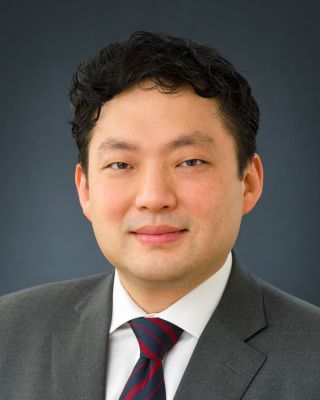
Jeremy Metz joined BMO Capital Markets Corp. in 2017 as a Senior Analyst covering REITS. Previously, he worked at UBS Securities as a Senior Analyst on their number-four Institutional Investor-ranked U.S. REIT team, covering the retail, storage and industrial subsectors. Prior to UBS Securities, he was an Analyst at Deutsche Bank from 2010 to 2013. Mr. Metz also held positions at Louis Dreyfus Investment Group, where he was Co-Head of Real Estate Acquisitions, and J.P. Morgan Asset Management, where he was Vice President, Real Estate Acquisitions and Asset Management for seven years. Mr. Metz works in collaboration with John P. Kim.
John P. Kim joined BMO Capital Markets Corp.’s U.S. Equity Research team in 2014 as a Senior Analyst covering REITs. Prior to joining BMO Capital Markets Corp., he was head of Australia property research at CLSA in Sydney, covering REITs and developers from 2010 to 2014, where he ranked number one in Australia property and number two in overall equity research by Global Capital AsiaMoney. Previously, Mr. Kim was a Senior Analyst at Bank of America Merrill Lynch from 2004 to 2010, where he held various roles including Head of AsiaPac property research in Hong Kong and Head of Australia property research in Sydney.
In this exclusive interview in the Wall Street Transcript, Mr. Metz and Mr. Kim detail which specific REITs sub-sectors will stand out over the next several years. Mr. Metz sees industrial properies as beneficiaries of the current economic cycle:
Mr. Metz: Looking across REITs, I think one of the biggest areas of strength is industrial. Industrial is a sector that continues to benefit from both secular and cyclical tailwinds. On the secular side, e-commerce has been underestimated in terms of the demand it’s driving and where we’re at in that evolution, and resulting supply chain reconfiguration it’s causing. I think there’s still a lot of room to run there. More broadly, industrial is one of the few REIT sectors that actually is maintaining if not gaining pricing power, whereas a lot of other sectors are past peak or seeing pricing power diminish.
Mr. Kim sees a tightening Federal Reserve and several other factors coming together to form a cautiously optimistic view:
Mr. Kim: So far there’s little evidence that rising rates have had an impact on cap rates, but we believe at some point cap rates — even though it trails — will have to move up with rising costs of capital. That may partially be offset by higher growth expectations, so asset values may remain relatively stable, but what was a massive tailwind over the past decade is likely going to be a headwind going forward. The other impact is debt refinancing: As companies look to refinance debt, it’s going to be a headwind to earnings growth.
To get all the specific recommendations, read the entire interview in the Wall Street Transcript.

Jim Lykins is a Vice President and Research Analyst at D.A. Davidson & Co. and joined the company in November 2015 to expand coverage of the real estate sector, focusing on retail. Previously, he was the Acquisitions Manager at Whitestone REIT, a publicly traded retail REIT based in Houston. Prior to that, he spent 14 years at Hilliard Lyons, including 12 years in equity research covering utilities and two years in investment banking focusing on REITs. Mr. Lykins was named Thomson Reuters’ “Top Stock Picker” in Equity Real Estate Investment Trusts in 2017.
In this exclusive interview with the Wall Street Transcript, Jim Lykins pulls out his top picks in the sector and details the basis for his investment recommendations.
“Another one of my favorite names is Preferred Apartment Communities (NYSE:APTS), but they have a very significant retail portfolio as well, and that’s performing well for them too. One of the REITs that I cover — and I only cover one diversified REIT; I kind of lump them into my retail category just because the bulk of their revenues come from the retail side — is Armada Hoffler (NYSE:AHH). That’s a name that we like a lot where you can play the retail. They are involved in retail, multifamily and also office, but that’s another company where the retail portfolio is performing extremely well.
TWST: What would you add in terms of other multifamily REITs?”
Mr. Lykins identifies some gems in retail REITs:
“One thing that was noticeable is on the retail side; there certainly continues to be a lot of frustration with all of the management teams that I cover. And as far as retail goes, I’m covering the shopping center REITs and, specifically, the grocery-anchored shopping centers. So when I talk about retail, I’m not including the malls; that’s a completely different animal. And I get it. I understand their frustration. A lot of these guys are performing well fundamentally. We’re seeing great occupancy numbers from many in the group. We’re seeing them pushing rents.”
To see the top picks from Jim Lykins in REITs, read the entire interview at the Wall Street Transcript.
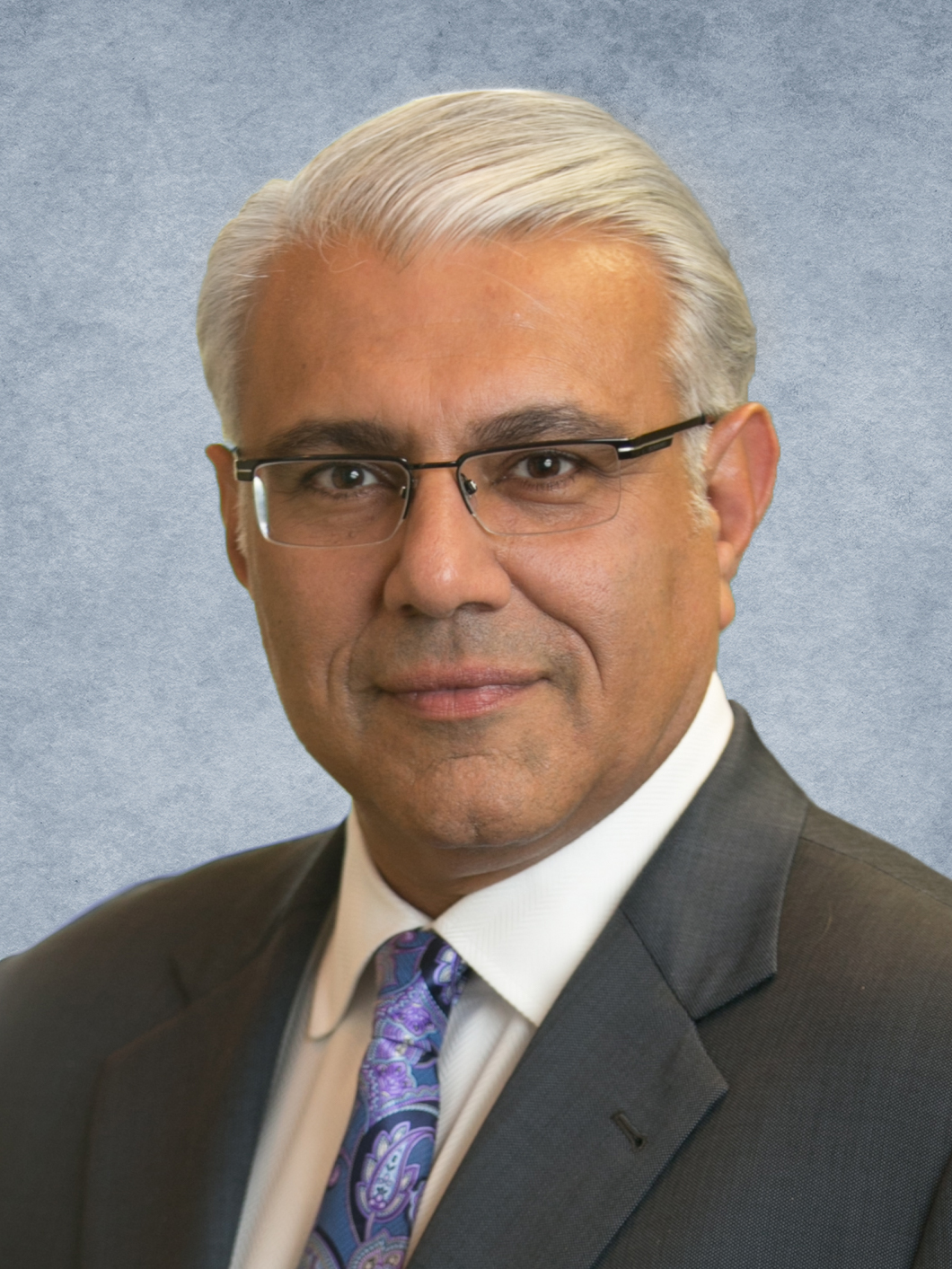
Hessam Nadji is President and Chief Executive Officer of Marcus & Millichap, Inc., a leading commercial real estate firm specializing in investment sales, financing, research and advisory services. He joined Marcus & Millichap in 1996 as Vice President of research and advisory services and helped position the firm as a leading provider of research on market trends, analyses and property expertise. Over the years, his role expanded to include marketing and strategy, enabling him to play a key role in establishing and growing Marcus & Millichap’s national brand. In 2010, Mr. Nadji assumed the leadership role for the firm’s national specialty brokerage divisions, which grew rapidly under his leadership. Mr. Nadji also played a leading role in the preparation and execution of the firm’s IPO in 2013 as Marcus & Millichap’s Chief Strategy Officer. He was named President and CEO in April 2016. Mr. Nadji is frequently sourced on behalf of the firm by national business media outlets, including The Wall Street Journal, Investor’s Business Daily,Real Estate Forum, CNBC, Fox Business TV, Bloomberg TV and numerous commercial real estate publications.
In his exclusive interview with the Wall Street Transcript, Mr. Nadji explores the intrinsic value of his company Marcus & Millichap.
“Our company was founded in 1971 to serve a special niche in the commercial real estate marketplace: the marketing and selling of investment real estate, predominantly for the private individual investor and small partnerships. It just so happens that microcap commercial real estate transactions, defined as transactions under $10 million, make up somewhere between 80% and 85% of all commercial real estate transactions in the U.S. every year. It’s the largest segment of the market but gets the least amount of media coverage…”
A fortunate positive for the real estate market is the new US tax law:
“…If you look at the broad picture of the tax law, it is favorable toward commercial property investment. For starters, the 1031 tax-deferred exchange program stayed intact. You can exchange like-kind properties and roll the equity of your asset into a like-kind property while deferring taxes. The mortgage interest deduction also remained intact. Additionally, flow-through entities that invest in commercial real estate, whose taxation was just reduced by 20%, is one of the key favorable outcomes of the new tax law.”
To get more valuable information on Marcus & Millichap, read the entire interview with its CEO, Hessam Nadji.
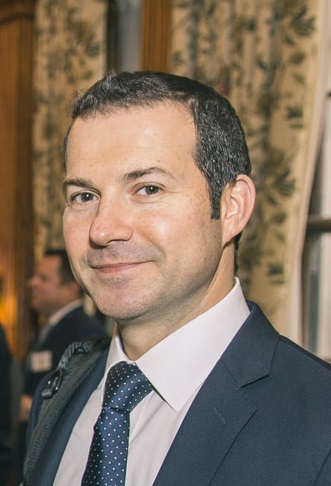
Jade Rahmani is a Managing Director of Keefe, Bruyette & Woods, Inc., and is based in the firm’s New York office. Since joining the firm in May 2007, he has been a lead analyst on the mortgage finance team, responsible for covering residential and commercial mortgage investment companies, including the commercial real estate finance and homebuilding sector. In this exclusive interview with the Wall Street Transcript, Mr. Rahmani explains how publicly traded real estate securities can provide an investment edge:
“My firm, Keefe, Bruyette & Woods, or KBW, is owned by Stifel Financial, so we are a wholly owned subsidiary of that company. What makes KBW unique is we solely focus on sectors within financial services. You can think of KBW as having essentially three verticals: We have the broadest coverage on Wall Street of banks, we also cover insurance, and then, we have diversified financials, which would include capital markets, asset management and specialty finance.
Within specialty finance, I cover commercial real estate finance companies. Those include commercial mortgage REITs, REITs that make loans to owners and developers of commercial real estate.”
His current view of the market is centered on a rising interest rate environment.
“On the other hand, the spreads are compressing. So what we see right now is overall returns being somewhat stable, and with higher LIBOR returns, they could potentially increase. We are also seeing a stable trend in credit. So for the companies we cover, what we are expecting is the business models that we feel are best positioned are the ones that can take advantage of the current environment in order to deliver strong returns. Those companies that we would be recommending would be Starwood Property Trust (NYSE:STWD), Ladder Capital (NYSE:LADR) and Granite Point Mortgage Trust (NYSE:GPMT). I can go into further detail on those business models if you like.”
For more specialized stock recommendations, read the entire interview with Jade Rahmani in the Wall Street Transcript.
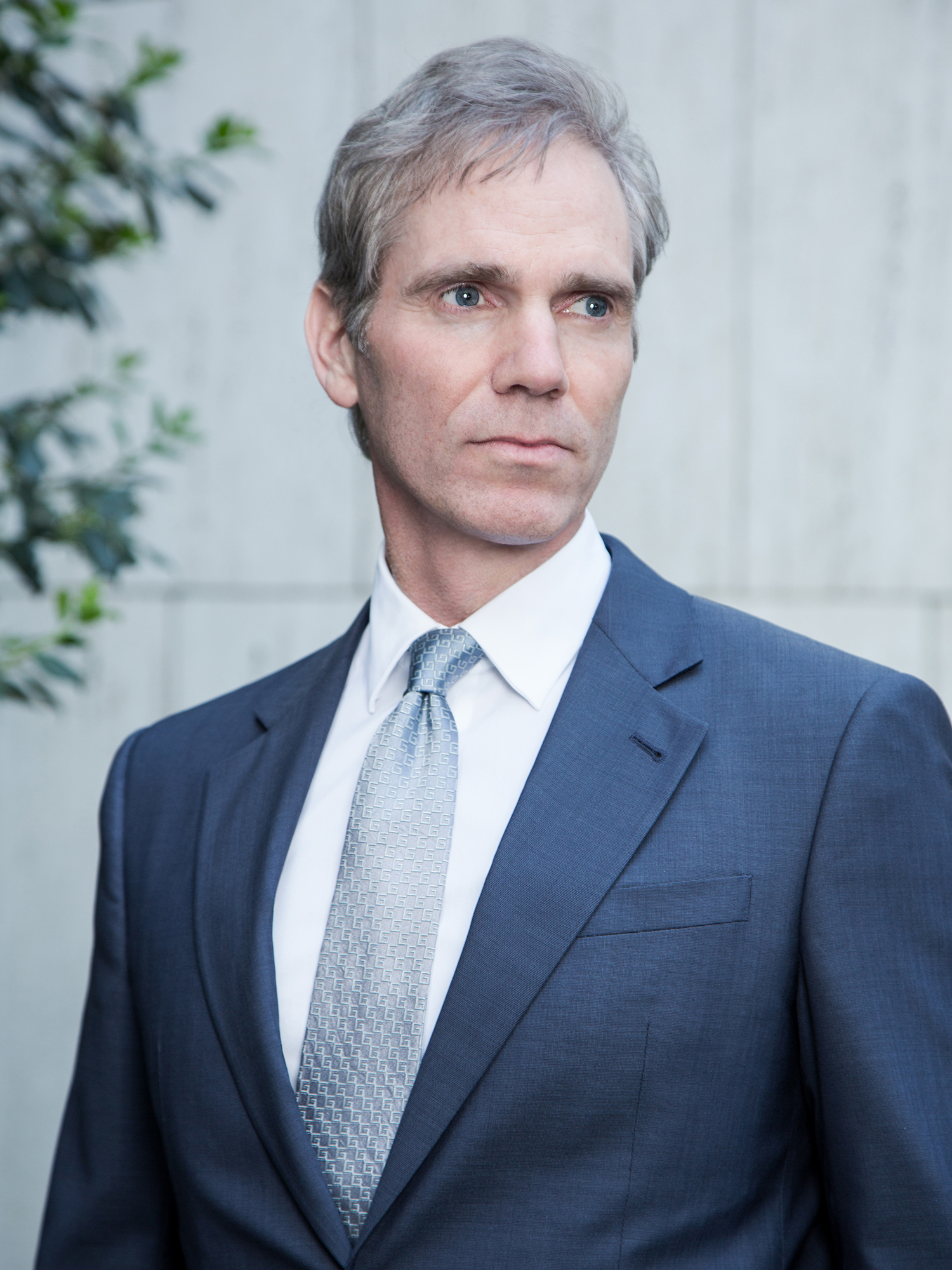
Jay Sugarman is the Chairman and CEO of Safety, Income & Growth Inc., and he is also Chairman and CEO of iStar. He has served as a director of iStar (NYSE:STAR) since 1996 and its Chief Executive Officer since 1997. Prior to forming iStar and its predecessors, Mr. Sugarman managed private investment funds on behalf of the Burden family — a branch of the Vanderbilt family — and the Ziff family. Mr. Sugarman received his undergraduate degree summa cum laude from Princeton University, where he was nominated for valedictorian and received the Paul Volcker Award in Economics, and his MBA with high distinction from Harvard Business School, graduating as a Baker Scholar and recipient of the school’s academic prizes for both finance and marketing.
He is the CEO of a new real estate company and is enthusiastic about its prospects. In this exclusive interview with the Wall Street Transcript, he describes it’s strategic direction and details its future development:
“We call it the SAFE Ground Lease. It’s so fundamentally different from many of the ground leases that exist today that we’ve trademarked that. It’s lender-friendly. It’s owner-friendly. It’s cap-rate-friendly. We think ultimately, at the end of the day, it creates higher cash-on-cash returns for owners and higher IRRs. We love businesses where, when we do a deal, both sides win.”
The idiosyncratic investment vehicle is a positive sign, according to Jay Sugarman.
“There’s very little information on this industry, which we like. We like industries that are either misunderstood or not studied at all. As I said, it took about a year trying to figure out the answer to your question. We think the existing ground lease market is about $100 billion in what is a $7 trillion commercial real estate market. We think it should be, with a lender-friendly, owner-friendly modern ground lease structure, something on the order of $500 billion.”
Read the entire interview in the Wall Street Transcript in order to get inside the mind of one of the most prominent real estate investors in the United States.
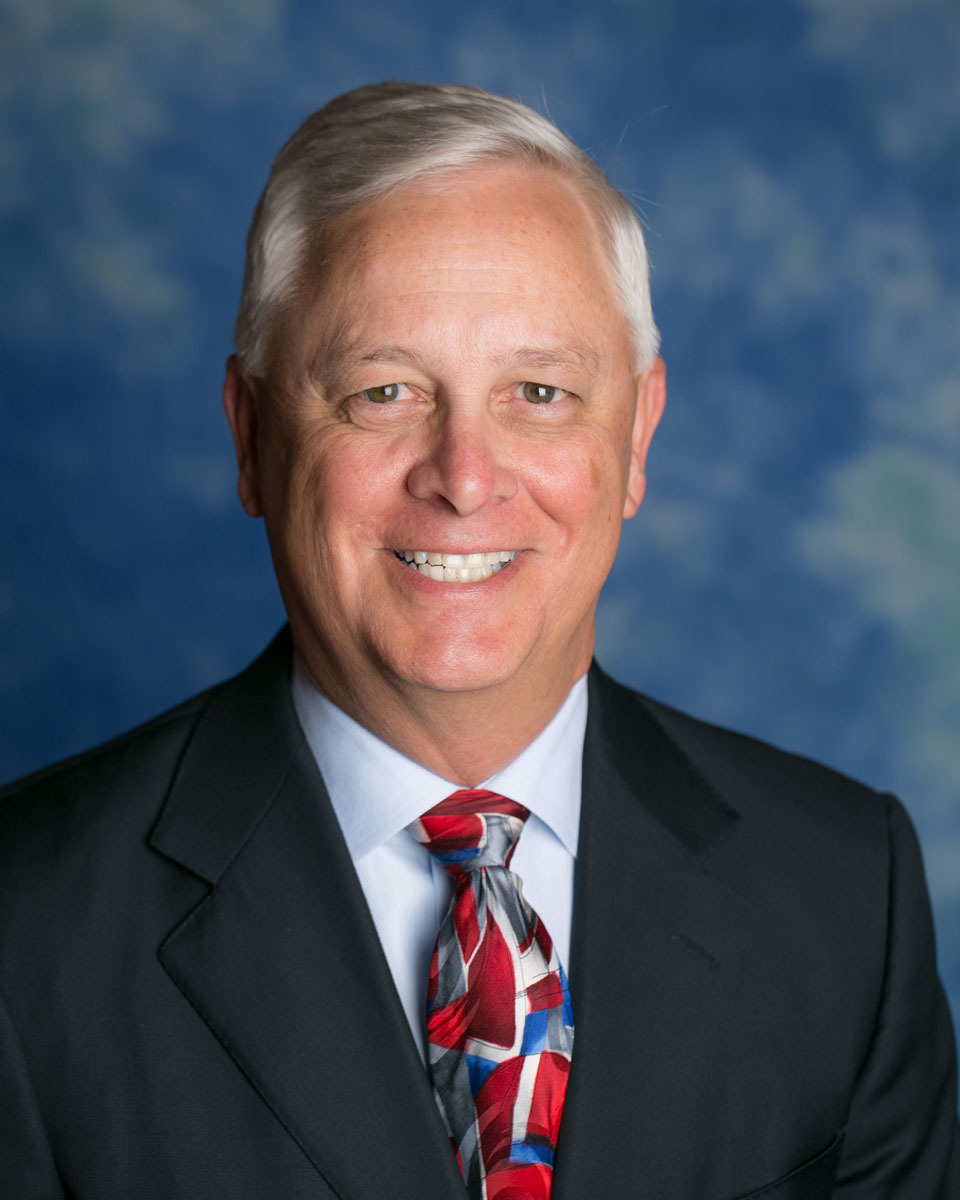
James E. Cline has been the President and Chief Executive Officer of Trex Company, Inc., since August 17, 2015. He served as the Chief Financial Officer of Trex from March 18, 2008, to August 17, 2015, and its Senior Vice President from August 2013 to August 17, 2015. Mr. Cline served as President of Harsco GasServ, a subsidiary of Harsco Corporation, from July 2005 to December 2007. In this exclusive interview with the Wall Street Transcript, Mr. Cline details how Trex has developed into a multi-billion dollar company.
“Trex was formed by one of our founders in the late 1980s. The gentleman had a business that was a recycling business, and the recycling was he took day-old bread, made breadcrumbs from it, and he sold the breadcrumbs. As a result of that, he ended up with a lot of plastic bags that the bread came in, and he was not the kind of guy to throw anything away, so he said, “I’m going to make something out of this.” What he ended up doing was mixing it with sawdust, thinking that he would manufacture fire logs. But unfortunately for him, when you mix the polyethylene plastic with sawdust, it takes a very high temperature to ignite it and get it to burn. So he threw it behind his building, forgot about it for a while, came across it a month or so later, and looked at it and said, “Hey, this hasn’t deteriorated. I’m going to make industrial flooring.”
The valuble product is also a green product.
“I think when you look at Trex, a lot of people when they first look at us, they say, “While it’s a beautiful board, everybody else makes the same kind of board,” but we’re really different than anyone else. Our board is 95% recycled material. We keep about 400 million pounds every year out of the dumps and the landfills, and we utilize that to manufacturer a product, and we’ve been extremely effective with that. In fact, that gives us the competitive advantage versus others because we are using recycled material.”
For the complete details on how this growth company is creating value, read the entire interview in the Wall Street Transcript.
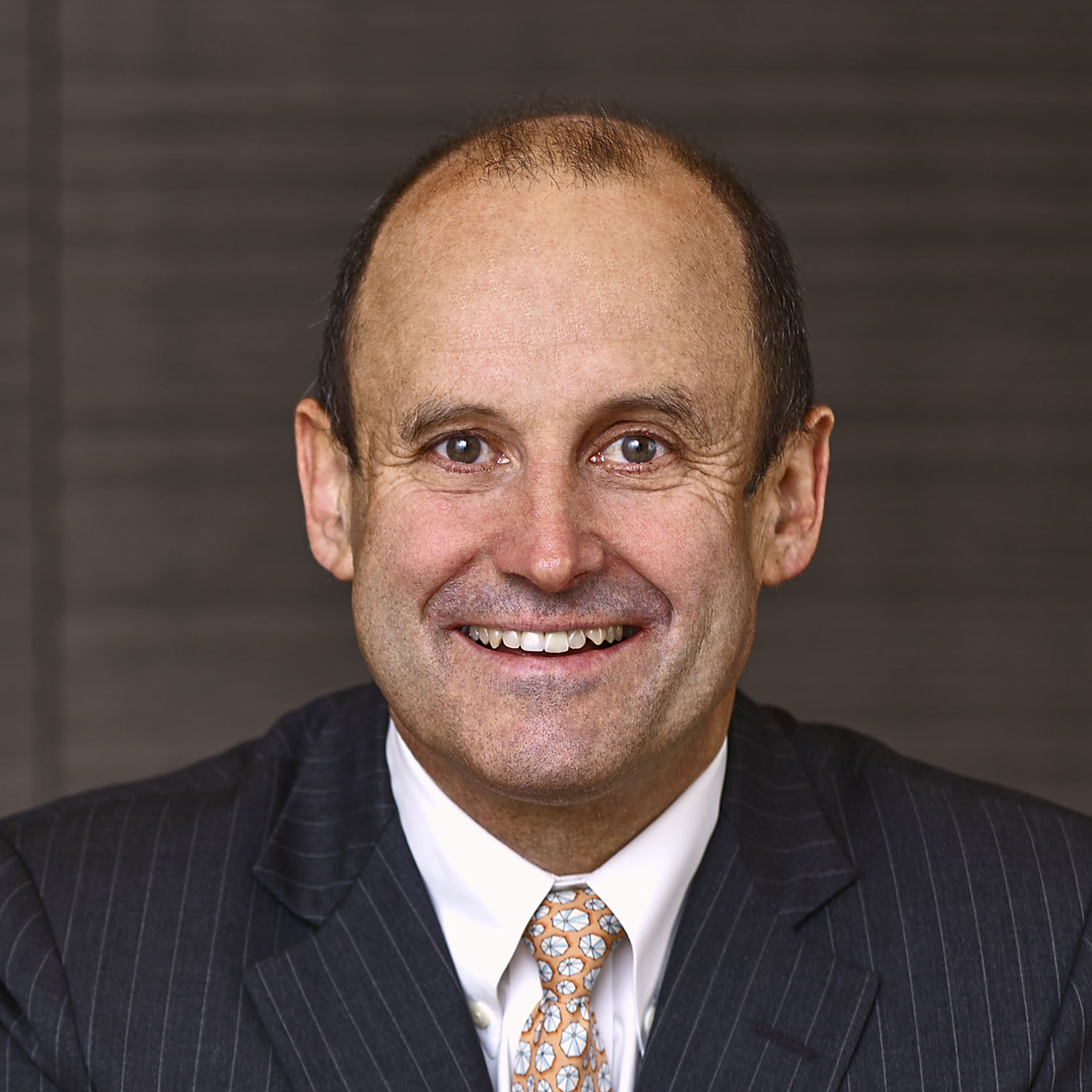
Edward B. Pitoniak is the Chief Executive Officer of VICI Properties Inc. Previously, he served as Vice Chairman of Realterm, a private equity real estate manager, and he still currently serves as an independent director on the board of directors of Ritchie Brothers Auctioneers — RBA. In April 2014, Mr. Pitoniak became Managing Director of InnVest, a publicly listed REIT, responsible for recapitalizing the REIT and transitioning its management function from an external, third-party management model to an internal management model. He then served as Chairman from June 2015 to August 2016, when the REIT was sold and taken private.
As Chief Executive Officer of CHIP, he led the company to four consecutive years of total return leadership among Canadian hotel REITs, and then to a sale in 2007. Mr. Pitoniak was also a member of CHIP’s board of trustees before it went private. Prior to joining CHIP, Mr. Pitoniak was a Senior Vice President at Intrawest Corporation, a ski and golf resort operator and developer, for nearly eight years. Before Intrawest Corporation, Mr. Pitoniak spent nine years with Times Mirror Magazines, where he served as Editor in Chief and Associate Publisher with Ski Magazine. Mr. Pitoniak has a Bachelor of Arts from Amherst College.
In his exclusive interview with the Wall Street Transcript, Edward Pitoniak details his strategy for emerging from bankruptcy with a publicly traded REIT:
“…What we now call VICI Properties today consists of the real estate of what was a Caesars-controlled entity known as Caesars Entertainment Operating Company, or CEOC. It was that entity that voluntarily filed for reorganization under Chapter 11 of the United States Bankruptcy Code in January 15, 2015. As the creditors of that entity and Caesars worked together, it was ultimately determined that the creditors would get their credit satisfied by becoming owners of the real estate of CEOC. At that time, that consisted of 19 assets across the country, with the flagship asset being Caesars Palace Las Vegas, and the rest of the assets being spread across the U.S., all the way from Lake Tahoe in the West to Atlantic City in the East.”
To get the full details on Mr. Pitoniak’s strategy for developing this new REIT, read the entire interview in the Wall Street Transcript.

Jason E. Fox was appointed Chief Executive Officer of W. P. Carey Inc. in January 2018, and also serves as a member of the company’s board of directors. Prior to his current position, Mr. Fox served as President from 2016 to 2017, Head of Global Investments from 2015 to 2016, and Co-Head from 2011 to 2015. During his tenure, Mr. Fox has been responsible for more than $10 billion of acquisitions. Transactions he has closed since joining W. P. Carey Inc. include the $225 million acquisition of The New York Times headquarters in Manhattan and the $312 million acquisition of 78 retail self-storage and truck rental facilities operated under the U-Haul brand name.
In his exclusive interview with the Wall Street Transcript, Mr. Fox details his firm’s ability to weather the U.S. yield curve changes:
“I think one of the important features of our portfolio is that 99% of the ABR comes from leases with some form of built-in rent increase. In addition to 27% coming from leases with fixed rent bumps, which are typically in the 2% to 3% range, we generate close to 70% of ABR from leases with rent increases tied to CPI. We think this is among the highest for net lease REITs, and we believe it makes us one of the best-positioned REITs to benefit from rising inflation going forward, something that we think is underappreciated by the market…”
Jason Fox is not afraid to make the market calls that he needs in order to maximize the value of W.P. Carey:
TWST: Last year the company was a net seller. Why was that, and what was your disposition strategy?
Mr. Fox: Yes, in 2017 we felt the sustained strength of the commercial real estate markets in both the U.S. and Europe positively impacted the value of our existing portfolio and provided us a favorable environment for dispositions. In fact, I think we’ll look back at 2017 as a period of peak pricing for the current cycle.
Read the complete interview in the Wall Street Transcript and get the details on where real estate valuations and yields are going in the United States.

Leigh Travers is CEO and Managing Director of DigitalX Ltd. (ASX:DCC). Mr. Travers is Vice Chairman of the Australian Digital Commerce Association — ADCA — and Chair of the Initial Coin Offering — ICO — Industry Working Group. His newly public company enjoys a public listing in his native Australia. In his exclusive interview in the Wall Street Transcript, Mr. Travers explains the development of his company into a publicly traded blockchain technology corporation.
“DigitalX is publicly listed on Australia’s ASX, trading under the symbol DCC. And with offices in both Perth and New York, we are the leading publicly listed company offering initial coin offering corporate advisory services to a global clientele. DigitalX was initially founded in 2013 as a bitcoin mining operation by tech entrepreneurs out of Australia and the U.S. We raised $9 million to list and scale up a bitcoin mining operation that was hosted out in Iceland using geothermal power. We now provide blockchain consulting services and software development.”
The company’s strategy is to move from straight exposure to crypto-currency pricing into consulting services: “…through our corporate advisory and consulting work, we’ve continued to accrue digital assets. So we actually just posted our half yearly report, and that showed record profits of $8 million. And while it showed that the gains in our financials were due, at least in part, to a value appreciation in digital assets, just under half of those gains were from consulting and corporate advisory work. While the price of DigitalX is linked certainly to the price of bitcoin, this shows that we’re not just purely tied to what the price of bitcoin is doing, as we’re a business that’s out there consulting and advising.”
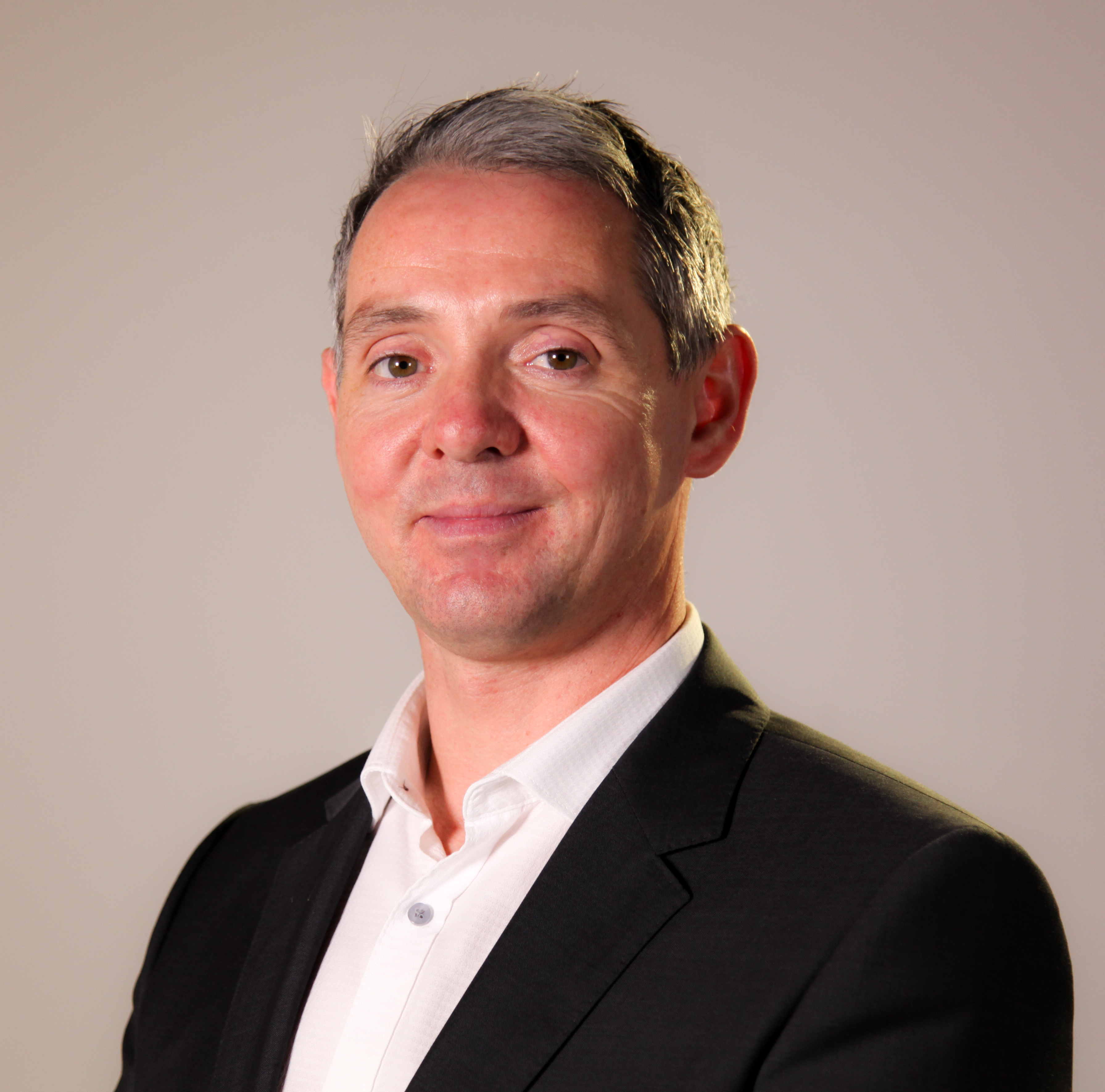
Another publicly traded blockchain technology company is run by Dominic McCann, who is CEO of BTL Group Ltd. (CVE:BTL). Mr. McCann’s career spans over 20 years in finance, industry and management consulting. His experience includes leading sales teams and building enterprises by delivering innovative technology products to market. Before joining BTL Group Ltd. in 2017, he was at SAS Institute where he oversaw a decade of new business growth and led a global team helping to establish the SAS Global Oil and Gas Business Unit across Australasia and EMEA. His company has developed a proprietary platform for corporate users looking to unlock the power of the blockchain.
“The Interbit platform is industry agnostic, meaning it’s not been built to suit just one industry; its use cases are endless as to where blockchain could be deployed. So the platform in itself enables a blockchain application to be built for any sort of business or developer challenge. For example, if you look at the current OneOffice project we are running, now having grown to nine energy companies of which five are super majors, the project represents over a trillion dollars in company revenue. This is a significant use case of Interbit blockchain, enabling the ability to reconcile and to settle massive volumes of gas trades between these organizations.”