
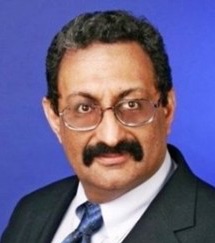
Anil R. Diwan, Ph.D., has been President and Chairman of the board of NanoViricides, Inc., since its founding in 2005. Dr. Diwan spearheaded the efforts for the company’s 2013 uplisting from the OTC Markets to NYSE American. Dr. Diwan has led several of the company’s financing efforts since 2010. Dr. Diwan invented novel polymeric micelle-based nanomedicine technologies as early as 1991. Dr. Diwan is a prolific inventor and a serial entrepreneur.
Dr. Diwan holds a Ph.D. from Rice University, Texas, a B.Tech. from Indian Institute of Technology, Mumbai — IIT-B — India, and has consistently held high scholastic ranks and honors. Dr. Anil R. Diwan was recognized as Researcher of the Year by Business New Haven, a Connecticut-area business journal, in 2014.
Irach B. Taraporewala is Chief Executive Officer of NanoViricides, Inc. Dr. Irach B. Taraporewala is a seasoned pharmaceutical executive with over 25 years’ experience in drug development and regulatory strategy. He is a hands-on CEO with strong scientific background combined with significant management, leadership, business development and financing experience.
Dr. Taraporewala is the Founder and Managing Member of Sitara Pharmaceutical Consulting, LLC, providing consulting services to biotechnology companies on business strategy, regulatory strategic planning for small molecule and biological pharmaceuticals, nanotechnology drugs and drug-device combination products.
Dr. Taraporewala holds a Ph.D. degree in medicinal chemistry from the Philadelphia College of Pharmacy, University of the Sciences in Philadelphia — 1984. He holds a Master of Science degree in organic chemistry and a Bachelor of Science degree in chemistry and microbiology, both from the University of Bombay, India.
In this exclusive 4,057 word interview with the Wall Street Transcript, these two award winning scientists discuss the upside for investors in their company.
“We reached a $300 million market cap at one time because this is a platform technology. We moved away from influenza. People did not understand the HerpeCide herpes program and its multiple indications. The market sizes in the HerpeCide program are tremendous, and that was not understood by investors.
As we move toward clinical trials, we believe that the stock price will reflect that as we achieve milestones, including the IND-enabling tox package completion and Phase I safety and Phase II proof of efficacy. There is a tremendous upward curve.”
Read the entire 4,057 word interview in the Wall Street Transcript to get the full details on the upside for investors.
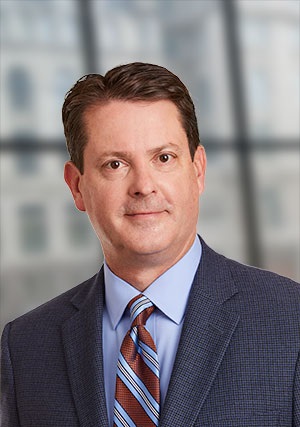

Lawrence J. Pavelec, CFA, is Chief Operating Officer, Executive Vice President and Portfolio Manager at Nicholas Company, Inc. He has 34 years of industry experience and has been at Nicholas Company for 15 years, where he is a portfolio manager for the Nicholas High Income Fund, Inc.
He collaborates with the other senior members of the management committee on strategic initiatives for the company. He also serves as an analyst and client portfolio manager for the separately managed account equity portfolios. Mr. Pavelec’s career as a credit analyst and portfolio manager began in 1984 with M&I Investment Management Corp.
Before joining Nicholas, he was with Brandes Investment Partners as the Co-Manager for Brandes Fixed Income Partners, serving as Portfolio Manager and Head of Marketing for the firm.
Michael L. Shelton, CFA, CPA, is Senior Research Analyst and Portfolio Manager at Nicholas Company, Inc. He has 22 years of industry experience. He has been at Nicholas Company for 12 years. He is Lead Portfolio Manager at the Nicholas Equity Income Fund, Inc., and Co-Portfolio Manager at the Nicholas Fund, Inc.
Mr. Shelton has a depth of knowledge following years of covering the health care, technology and industrial sectors. Prior to joining Nicholas Company, Mr. Shelton worked for the Department of Defense Financing and Accounting Service as a financial analyst. He spent three years with Robert W. Baird as a research analyst and at McDonald Investments for one year focusing on health care companies. Before starting his investment career, he worked with Ernst & Young as an auditor and tax consultant.
In this exclusive 4,138 word interview, Mr. Shelton and Mr. Pavelac detail their award winning portfolio build process and discuss their current top stock picks.
“The second key characteristic that we look for is: Does the company have an identifiable moat or competitive advantage? Snap-on’s competitive advantage is derived from its strong brand and its continued innovation.
The company has the highest reputation for quality and a strong service-oriented dealer network. Its main competitors — Stanley Black & Decker (NYSE:SWK) and Fortive (NYSE:FTV) — manufacture less than 50% of tools they sell, limiting quality control compared with Snap-on, which produces 70% of the tools sold by its franchise dealers.”
Read the full 4,138 word interview in the Wall Street Transcript.
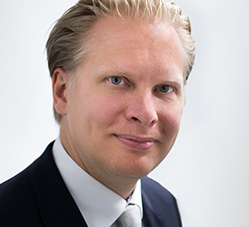
Marc Voigt is Executive Director and Chief Executive Officer of Immutep Limited. Mr. Voigt has served as the Chief Financial Officer and Chief Business Officer since 2012 and was appointed as CEO and Executive Director in July 2014. He has extensive experience in the corporate and biotechnology sectors. He has previously worked as a personal assistant to a member of the executive board of Allianz Insurance.
Mr. Voigt has also worked for the German investment bank, net.IPO.AG, in the area of business development and German securities offerings. In the early 2000s, he was investment manager in a midsize health care venture capital fund.
In the biotech sector, he has held different executive positions, foremost in private German biotech companies. He has a master’s degree in business administration from the Freie Universitat of Berlin and is a member of the judging panel of Germany’s largest business plan competition.
In this exclusive 2,747 word interview with the Wall Street Transcript, Marc Voigt details his company’s sustainable competitive advantage in the biotech sector.
“If you look at our product candidates, indeed three of them are unique. One is a so-called depleting antibody in autoimmune diseases, which we licensed to GlaxoSmithKline. Then we have the world’s first agonist antibody to LAG-3. This is also positioned in autoimmune diseases, and we are developing it ourselves. It is at the preclinical stage.
Then, we have a fusion protein, which is our lead product candidate and called eftilagimod alpha, or IMP321, which we have in different clinical trials; the most advanced is a Phase IIb study in metastatic breast cancer. ”
The take up from large cap pharma companies is a plus for Immutep:
“We have a second product candidate in immuno-oncology, which we licensed to Novartis.”
Get the full details from Marc Voigt, CEO of Immutep, in the 2,747 word interview for the Wall Street Transcript.
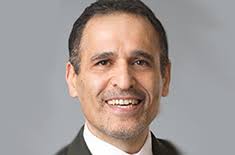
Nader Z. Pourhassan, Ph.D., is President and Chief Executive Officer of CytoDyn Inc. Dr. Pourhassan was appointed a director in September 2012 and has served as CytoDyn’s President and Chief Executive Officer since September 2012. He was the company’s Managing Director of Business Development from June 2011 to December 2012 and Chief Operating Officer from May 2008 to June 2011.
Dr. Pourhassan was responsible for identifying the opportunity with PRO 140 and instrumental in the acquisition of this asset. He has overseen the rapid clinical development of PRO 140 as a therapy for HIV from Phase II development and into Phase III trials, including the development of trial protocols and interaction with the U.S. Food and Drug Administration — FDA. He also has been involved in preclinical and clinical development of PRO 140 in additional immunological indications and cancer.
Dr. Pourhassan has led CytoDyn’s capital market activities by raising over $150 million since joining the company in 2008. He has more than 20 years of business development experience. Dr. Pourhassan received his Bachelor of Science from Utah State University in 1985, his Master of Science from Brigham Young University in 1990 and his Ph.D. in mechanical engineering from the University of Utah in 1998. Dr. Pourhassan has authored three books.
“In regard to monotherapy, PRO 140 could allow patients to put away all their pills. We have a small group of patients right now who have gone four years without pills with PRO 140 as a monotherapy. It takes between 30 seconds and two minutes once a week to subcutaneously self-inject themselves at home, and that is all they need.”
The CEO is enthusiastic about the prospects for CytoDyn shareholders:
“I believe that CytoDyn is undervalued. We believe we have a lot of excitement with PRO 140. If you look at Gilead, their stock sat below the $1 level for seven years, and then, it reached an inflection point. I believe CytoDyn is reaching that point…”
Get the complete detail on the timing of this new HIV therapy for delivery in the United States by reading the entire 1,729 word interview in the Wall Street Transcript.
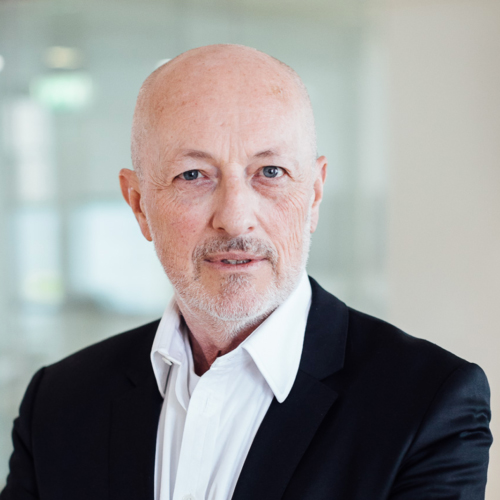
Bernard Gilly, Ph.D., a Co-Founder of GenSight Biologics, has served as its Chief Executive Officer since its founding. From creation through to 2016, Dr. Gilly served as Chairman of the board of directors. From 2011 through 2014, he served as Chief Executive Officer at Pixium Vision, and from which date, he has served as nonexecutive Chairman of the board of directors. In addition, he currently serves on the boards of Prophesee S.A. — formerly Chronocam — and Gecko Biomedical.
From 2005 to 2009, he founded and was Chairman and Chief Executive Officer of Fovea Pharmaceuticals S.A., or Fovea, a privately funded biotech company, which was later acquired by Sanofi. He then became Senior Vice President of the Ophthalmology Division of Sanofi and served in that role until March 2012.
In this exclusive 2,925 word interview with the Wall Street Transcript, Dr. Bernard Gilly explains the development of his company’s innovative therapies:
“GenSight Biologics is a Paris-based biotechnology company specializing in the development of gene therapy approaches to treat neurodegenerative diseases. We started by focusing on two diseases of the retina: One is called Leber hereditary optic neuropathy, or LHON, and the second one is called retinitis pigmentosa. And the reason why we choose to go for the retina is that the retina is in fact the visible part of our brain.
The retina is a small neural tissue that paves the back of our eye globe, and this is where the first steps of vision are happening, which means that this is where the light is being transformed into an electric signal. And this electric signal is in turn sent to the brain by the retina.”
The process is proprietary:
“…We have invented a process by which, instead of trying to insert the mitochondrion gene into the mitochondrion, we in fact insert the mitochondrion gene in the nucleus of the cell.
There, this mitochondrion DNA is translated into mitochondrion RNA and the messenger RNA by a proprietary sequence that we are adding, and it is then shuttled to the mitochondria, and the protein is internalized inside the mitochondria. This process that we call mitochondrion targeting sequence is proprietary to GenSight and the basis of our GS010 development.
We have an adeno-associated virus vector — AAV — that transports the gene that is defective in LHON called ND4 into the nucleus of the retinal ganglion cells where it will produce the messenger RNA for ND4. So the ND4 protein will be rightly shuttled into the mitochondrion of the retinal ganglion cells and will prevent their degeneration.
We have run various in vitro and in vivo models of this; now, we are largely advanced and have completed a first Phase III.”
Get the full results of the recent treatment trials from GenSight and the future growth potential by reading the entire 2,925 word interview in the Wall Street Transcript.
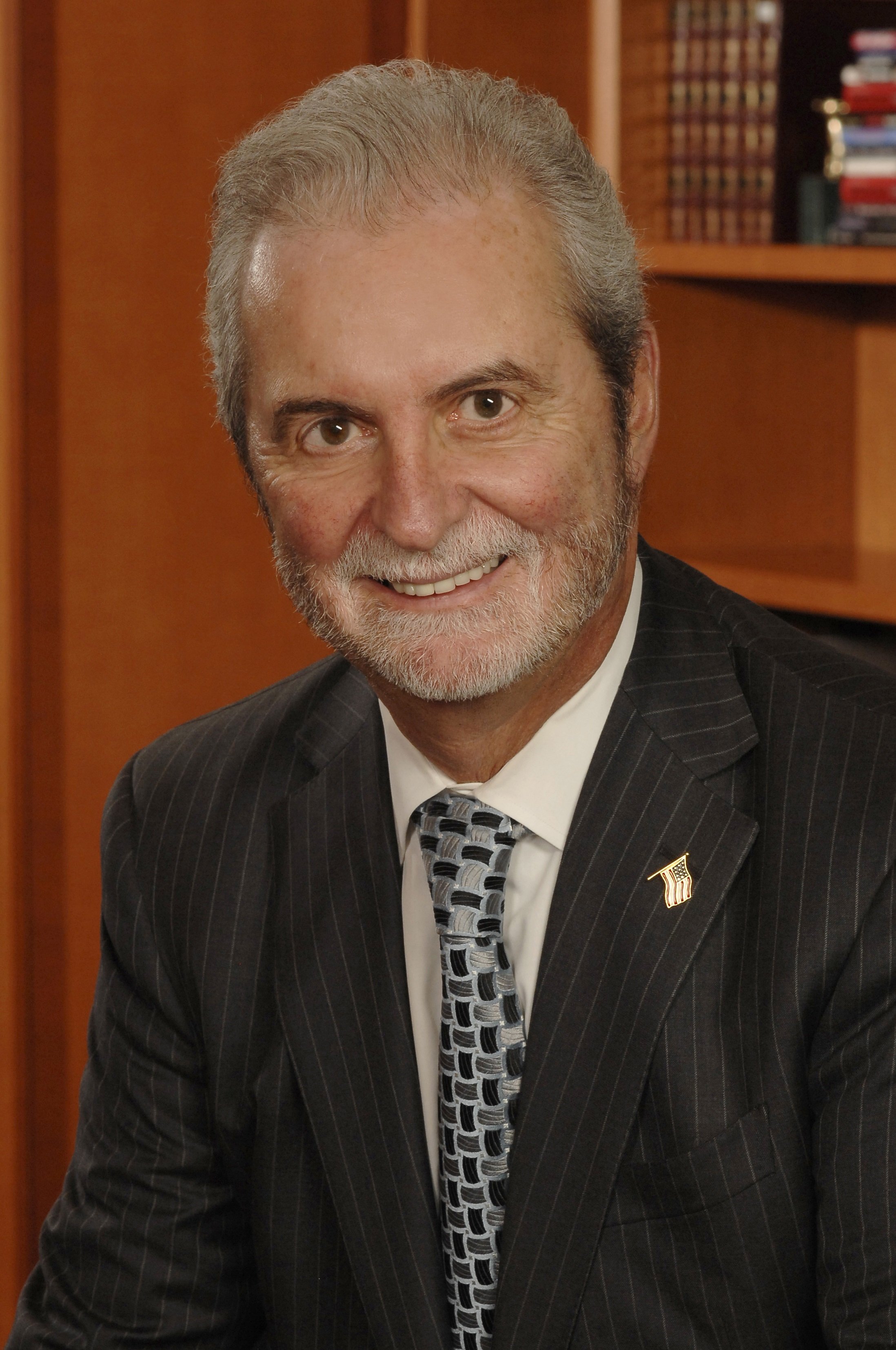
John P. Calamos Sr. is Chairman and Global CIO of Calamos Investments, a firm he founded in 1977. With origins as an institutional convertible bond manager, the firm has grown into a global asset management firm. Mr. Calamos has established research and investment processes centered around a team-based approach designed to deliver superior risk-adjusted performance over full market cycles.
With 49 years of industry experience, Mr. Calamos is often quoted as an authority on risk-managed investment strategies, markets and the economy, and he has authored two books on convertible securities. Mr. Calamos received his B.A. in economics and an MBA in finance from the Illinois Institute of Technology. He joined the United States Air Force after graduation where he served as a combat pilot during the Vietnam War and ultimately earned the rank of Major.
In this exclusive 3,521 word interview with the Wall Street Transcript, this award winning 50 year veteran of the equity markets details the investment process for convertible bonds.
“They need capital. When they issue a convertible, they’re getting access to capital and because they’ve given the holder of the convertible the right to convert to the underlying common stock, they’re able to lower the coupon. So the trade-off is, you — the buyer — get a lower coupon. But now, you have the right to convert to the underlying common stock at your option whenever you want.
Basically, you have some of the equity upside, and because it’s a bond, you have the downside protection of the bond. So you get that upside versus downside. Because they issue it with an option, there is a premium. If the stock price is X, the premium might be around 20% to 30% above that. And the way we look at the convertible, it gives you the upside of the equity market, but it gives you protection on the downside.”
The upside is provided by the growth potential for the specific issuers:
“from the point of view of the biotech area, issuing convertibles is very interesting. They have ideas there; they need capital to execute. So we’ll see them do it — BioMarin Pharmaceutical (NASDAQ:BMRN), Allscripts Healthcare (NASDAQ:MDRX). There are interesting companies on the health care side that are utilizing convertible securities.”
Get the full detail on the John Calamos investment process in this 3,521 word interview in the Wall Street Transcript.

Frederick L. Weiss, CFA, is a Senior Investment Manager and leads the research efforts of CIBC Private Wealth Management’s investment team. Mr. Weiss is also co-manager of the firm’s Mid-Cap Growth Equity Strategy, where he is responsible for researching the technology and health care sectors of the market.
He came to the firm in 1989 from Adams, Harkness & Hill, where he was a vice president and senior analyst covering the technology and health care sectors. Mr. Weiss earned a Bachelor of Arts magna cum laude from Harvard College and a Master of Business Administration with honors from the Harvard Business School.
In this exclusive 3,432 word interview with the Wall Street Transcript, Mr. Weiss details his investment process.
“The goal is to find great companies and keep on making sure that we have that discipline in finding really high-quality companies, because if you go in and you buy high-quality companies, a lot of times, the Street is interested more in what the next quarter is, what the next two quarters are. And you can find companies that over three or four or five years are going to compound at a much higher rate than the short-term focus on current business and climate.”
Health care investing is a big focus:
“…The big trends in health care that we have been focusing on are two. One is innovation, where you look for companies with breakthrough opportunities. One of the big areas we’re investing in, in this space, is medical devices, where there’s a new technology that’s been out there, but it’s still middle of the way through its product life cycle, is percutaneous valves, where you put in a new heart valve without cracking the chest open.”
“The other major innovation area that we’ve been investing in is immuno-oncology, which is basically helping your immune system fight the cancer rather than chemotherapy…”
Get all the investing management details in this 3,432 word interview in the Wall Street Transcript.
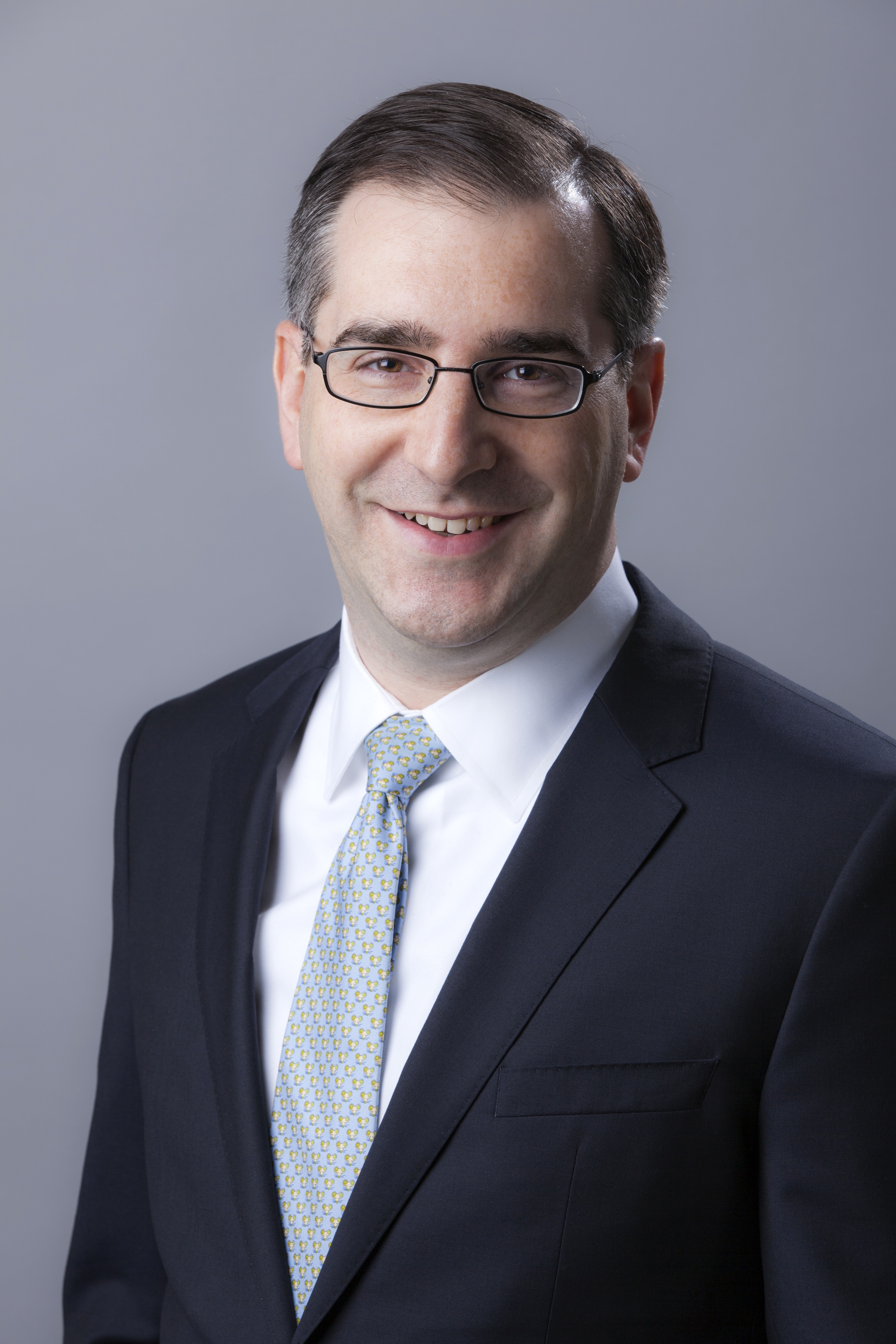
John J. Flynn is Principal and Portfolio Manager at Pzena Investment Management. Mr. Flynn is a co-portfolio manager for the U.S. small-, mid- and large-cap value strategies. Mr. Flynn also serves as a co-portfolio manager for the Pzena Mid Cap Value Fund and the Pzena Small Cap Value Fund. In this capacity, he is part of the team responsible for the day-to-day management of these mutual fund portfolios.
Mr. Flynn became a member of the firm in 2005. Prior to joining Pzena Investment Management, Mr. Flynn was an associate at Weston Presidio, a middle-market private equity investment firm. He earned a B.A. in music from Yale University and an MBA with distinction from Harvard Business School.
The Pzena Investment Management portfolio constuction philosophy is detailed in this exclusive 4,027 word interview with the Wall Street Transcript.
As portfolio manager, John Flynn makes sure the investment process remains disciplined:
“Our process is really designed to take the emotion out of the investing process. So when you go and look for a good business that’s trading at a discount to what you think it’s worth, pretty much always there’s a problem and pretty much always it’s something that people don’t want to touch.
And so by taking the emotion out of that process and systematically identifying and researching these opportunities, it allows us to really go to where the most compelling opportunities are.”
His analysts dig deep into the companies that are cheapest relative to earnings and cash flow:
“We go through the cheapest opportunities, and we assign them to the analysts based on their industry coverage. The analysts are then tasked with completing what we call an initial review and answering three basic questions: What does this company do; how does it make money? What happened — so why is the stock cheap? And finally, what do we have to believe in order to get comfortable with this investment?”
Get the top recommendations and their full detail in this 4,027 word interview with John J. Flynn, Principal and Portfolio Manager at Pzena Investment Management.
Joe Miller, CPA, is Chief Financial Officer of Cerecor Inc. Mr. Miller brings over 20 years of experience and a wealth of financial knowledge as a senior executive with extensive hands-on experience in managing financial operations and supporting enterprise growth across the health sciences, biotech and pharmaceutical sectors.
In his previous role at Sucampo Pharmaceuticals, he was responsible for building out the finance organization to effectively support the company’s rapid growth, ultimately resulting in the $1.2 billion merger with Mallinckrodt in early 2018.
This 2,902 word exclusive interview with the Wall Street Transcript details the turnaround plan for Cerecor.
“The company went public in 2015. Following the IPO, the company had two negative data readouts within its R&D pipeline, ultimately resulting in the termination of two clinical trials. Currently, the company was at a crossroads of what steps to take next with their existing pipeline.
The first step in the transformation was the sale of one of its leading assets, CERC-501, to Janssen Pharmaceuticals for approximately $25 million. It was during this phase that Armistice Capital came in and began reinvesting in the company.
Throughout 2017, the company implemented a long-term strategic plan to transform the company from a neurology-based R&D-focused organization into a commercially capable biotech organization.”
This turnaround from disaster is achieving quick results:
“We initially put out guidance in a range of $16 million to $18 million in commercial revenues for 2018. In connection with our Q2 earnings release, we increased our full-year revenue guidance to the range of $17 million to $19 million.
For the first half of the year, we were trending in excess of our initial revenue target that we set and have, therefore, upped our guidance on the revenue side accordingly. In addition, we also guided to the investor base that we would be EBITDA-positive by the end of the FY18. We are trending to meet our EBITDA-positive goal as well.”
Read the entire 2,902 word exclusive interview in the Wall Street Transcript.
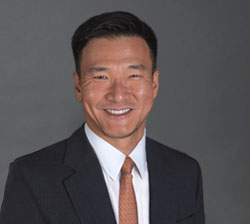
Richard Chin, M.D., is Founder and Chief Executive Officer of Kindred Biosciences, Inc. Dr. Richard Chin is a Harvard-trained physician and a former Rhodes Scholar with a track record of almost a dozen drug approvals and over 50 INDs. Dr. Chin has developed several drugs for immune diseases, including Lucentis, Xolair, Tysabri and Rituxan.
These products have yielded over $10 billion in sales per year. Previously, Dr. Chin was Head of Clinical Research for the Biotherapeutics Unit at Genentech, where he oversaw Genentech’s drug development programs; Senior VP of Global Development at Elan; CEO of Oxigene, a Nasdaq-listed biotechnology company; and CEO of OneWorld Health, a Gates Foundation-funded nonprofit developing drugs for impoverished patients in developing countries. In 2006, BusinessWeek named Dr. Chin one of 99 youngest public company CEOs in the United States.
In his exclusive 2,869 word interview with the Wall Street Transcript, Dr. Chin details his company’s upside for investors in the near future.
“Over the coming years, once the plant reaches maximum capacity, we expect to have enough manufacturing capacity for our deep pipeline. It is quite large. The reasons why we are doing this are several.
One is that the technology is so new in the veterinary space; there really aren’t companies out there that can do contract manufacturing for us.
And number two, this is a pretty complicated undertaking, and we have a highly experienced biologics team. We believe that we can do this more efficiently than anybody else, so it makes sense for us to do it in-house and have this significant cost-of-goods advantage.”
Dr. Chin enjoys a robust risk reward ratio on his drug development investments:
“I was on the human development side for a long time. And on the human side, it costs about $1 billion to develop a drug, and a blockbuster generates revenues of about $1 billion a year.
For Kindred Biosciences, the cost is about $5 million to $8 million. So literally about 100 to 200 times less, but the blockbusters generate about $100 million in annual revenues. So at one-100th the cost, we can access markets that are one-tenth the size. The ROI for every dollar is really attractive, so that is why we want to keep on investing in R&D.”
Get the complete detail on the upside for Kindred Biosciences from its CEO Dr. Richard Chin.