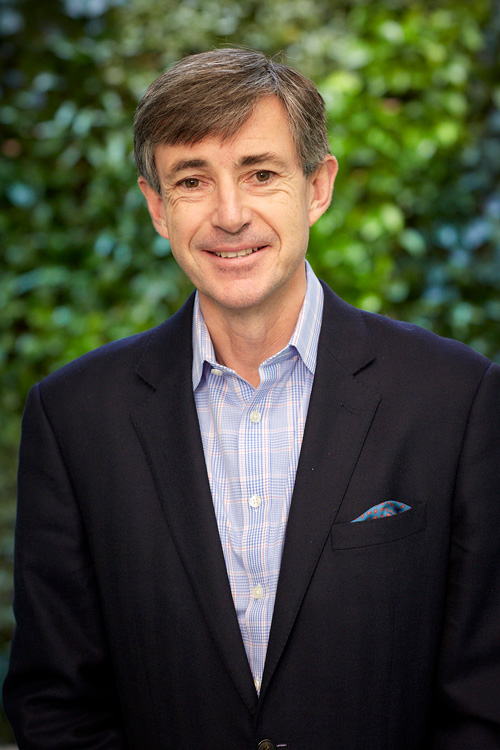
Robert Forrester, LL.B., is President and Chief Executive Officer of Verastem, Inc. Mr. Forrester has 18 years of experience as the CEO, COO or CFO of both private and public life science companies with Verastem Oncology; Forma Therapeutics; CombinatoRx (NASDAQ:CRXX), now ZLCS; and Coley (NASDAQ:COLY), which was acquired by Pfizer.
Mr. Forrester was a managing director of the Proprietary Investment Group at MeesPierson, part of the Fortis Group, investing in life science companies. Prior to MeesPierson, Mr. Forrester worked for the investment banks BZW — now Barclays Capital — and UBS, in the corporate finance groups undertaking M&A, and public and private finance transactions. Mr. Forrester started his career as a lawyer with Clifford Chance in London and Singapore.
In this exclusive 2,867 word interview with the Wall Street Transcript, Robert Forrester explains the upside for his company.
“In the U.S., the bigger of the two markets is the CLL/SLL market where almost 200,000 patients have these diseases. These are diseases of aging, so the average patient with CLL is probably in the early 70s.
It is a big problem in that it is a chronic indolent lymphoma and incurable. These patients are generally living with this disease for the rest of their lives. Follicular lymphoma is slightly smaller with about 141,000 patients in the U.S. living with this disease.
Every year, there are probably around 10,000 to 20,000 or more patients getting each of these tumors.”
The novel action of the new therapy is a potential breakthrough:
“Chemotherapy, as we all know, is a sort of chemical poison that goes after rapidly dividing cells and has a lot of activity but also a lot of toxicity, and so it is very hard to tolerate.
This new wave of targeted therapies, including duvelisib, is targeted at the B cells and also the tumor microenvironment, so we are modulating the immune system. Duvelisib has a dual action, which is why this drug is a novel PI3K delta and gamma inhibitor.
It is really important because we are targeting both the B cells and also that tumor microenvironment, so there is direct killing of the B cells but also affecting the environment the tumor is residing in and making it hostile to the tumor as opposed to hospitable to the tumor.”
Read the entire 2,867 word interview in the Wall Street Transcript interview with the CEO of Verastem to get the complete details.
Steven Seedhouse, Ph.D., is Biotech Research Analyst at Raymond James Financial, Inc. Dr. Seedhouse has been a biotech equity research analyst or associate since 2015 at various firms.
In this exclusive 4,014 word interview in the Wall Street Transcript, Dr. Seedhouse handicaps the coming wave of NASH treatment Phase III trials.
He joined Raymond James in March 2018. Prior to his career in equity research, Dr. Seedhouse completed a Ph.D. in pharmacology from Roswell Park Cancer Institute in Buffalo, New York, and holds an M.S. in medicinal chemistry from SUNY Buffalo.
“The largest focus for me right now is NASH. The reason for that, especially as you think about the next 12 months, is that, number one, this is an unmet need as most people would typically define it, in that there are no therapeutics approved specifically for NASH, despite the fact that no matter where you look, you can find estimates ranging from 10 million to 20 million people affected by this condition in the United States.
It is likely that the number of people affected by NASH is growing because it is associated with obesity, and the first stimulus for the disease is really fat accumulating in the liver.
Secondly, as you look at the next 12 months, the first Phase III data readouts for the most advanced drugs to treat NASH are coming out, with the first ones for Gilead in the first half of 2019. They have two Phase III trials called STELLAR-3 and STELLAR-4 for the drug selonsertib.
This is an ASK1 inhibitor, and these trials are enrolling patients with fibrosis stage 3 and stage 4 respectively in NASH. Those data readouts are coming in Q2 2019 and Q1 2019 respectively.
The second data readout in the first half of 2019 is from Intercept for the drug Ocaliva that is treating patients with F2 and F3 NASH, so stage 2 and stage 3 fibrotic NASH. We have assigned probabilities of success…”
Read the entire 4,014 word interview in the Wall Street Transcript.
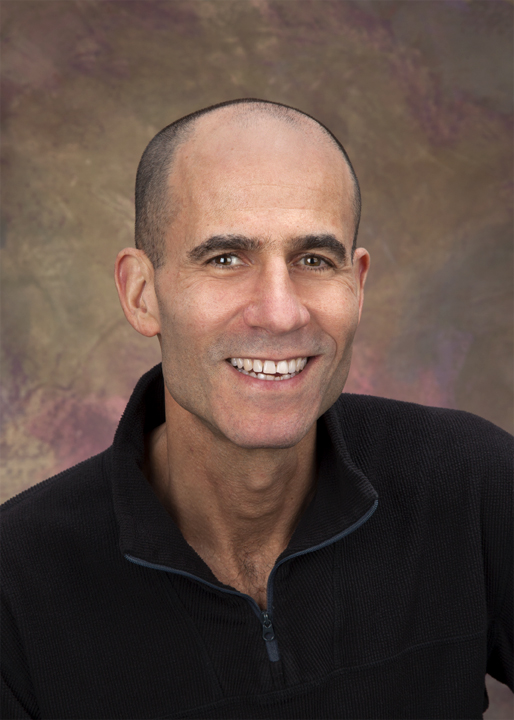
Terry Rosen, Ph.D., is the Chief Executive Officer of Arcus Biosciences. Dr. Rosen has been leading successful drug discovery and development organizations in the biotechnology and pharmaceutical industries for over 30 years. In 2015, he co-founded Arcus Biosciences, a drug discovery company focused on the treatment of cancer by blocking tumor-induced immunosuppression.
Previously, he was Co-Founder and CEO of Flexus Biosciences, a company created to develop small molecule drugs to reverse tumor immunosuppression, which was acquired by Bristol-Myers Squibb early in 2015 for $1.25 billion including milestones. Prior to Flexus, Dr. Rosen served as Vice President, Therapeutic Discovery at Amgen and as the site head for Amgen South San Francisco, having joined Amgen with the acquisition of Tularik in 2004.
Prior to joining Amgen, Dr. Rosen held several executive positions at Tularik as well as scientific and management positions at Pfizer and Abbott Laboratories. Dr. Rosen serves on the Salk Institute board of trustees, the scientific advisory board of the University of Michigan Life Sciences Institute, the Berkeley Foundation board of trustees, the Caltech Biology and Bioengineering chair’s council and the board of the California Life Sciences Association.
In his exclusive 4,144 word interview with the Wall Street Transcript, Dr. Rosen details the potential for enormous upside for his company.
“…With triple-negative breast cancer or ovarian cancer, the standard of care is a chemotherapy called Doxil. Doxil is a member of a class of chemotherapeutics that are known as anthracyclines, which are known to kill tumor cells by immunogenic cell death…
What we’re looking to do is to combine Doxil with AB928, which will block the effects of the large amount of adenosine that’s being produced so that the Doxil, and of course the immune system, can do a better job of attacking the cancer.”
Read the entire 4,144 word interview in the Wall Street Transcript and get the full pipeline and time to market for these important new therapies from Dr. Rosen.
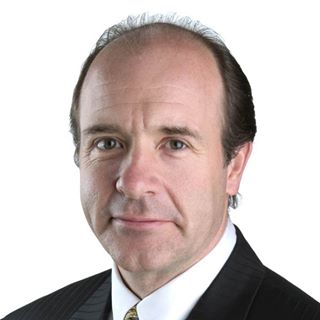
Walter V. Klemp is President, Chief Executive Officer and Chairman of Moleculin Biotech, Inc. Mr. Klemp has been Moleculin Biotech’s Co-Founder, Chairman and CEO since 2007.
Mr. Klemp has 29 years of experience in startup and high growth companies, the past nine of which have been spent developing FDA-approved dermatology therapy devices and topical compounds.
Mr. Klemp was also President and CEO of Zeno Corporation from 2004 to 2010, where he successfully developed and marketed a number of dermatology devices and drugs from concept through FDA approval. Previously, Mr. Klemp served as Founder, CEO and Chairman of Drypers Corporation, a publicly traded multinational consumer products company, from 1987 to 2000.
At Drypers, Mr. Klemp developed growth strategies, orchestrated mergers and acquisitions, and grew the company from startup to $400 million in annualized sales and to a number-one ranking on the INC 500.
Notably, he has overseen nearly $750 million in public and private financings throughout his career.
In this exclusive 3,775 word interview with the Wall Street Transcript, Walter Klemp details his strategy for developing his biotech development company:
“Moleculin has really three core technologies. The best way to characterize the three, without going too deeply into the science, is to say, one is a somewhat familiar chemotherapy approach that focuses on destroying the DNA of rapidly replicating tumor cells. That is a drug that we have named Annamycin that is being tested for AML — acute myeloid leukemia. It avoids several of the major pitfalls of the current chemotherapies available for leukemia patients.”
The key success factor for Moleculin is the sustainable advantage of its therapies:
“…The problem has been that most of those glucose decoys are very rapidly metabolized and have trouble crossing the blood-brain barrier. We have a collection of molecules that are capable of crossing the blood-brain barrier, and we think there will be therapeutic quantities that have a much longer half-life. They stay in the system long enough to hopefully have an effect.”
Read the entire 3,775 word interview with Walter Klemp in the Wall Street Transcript to get all the information.
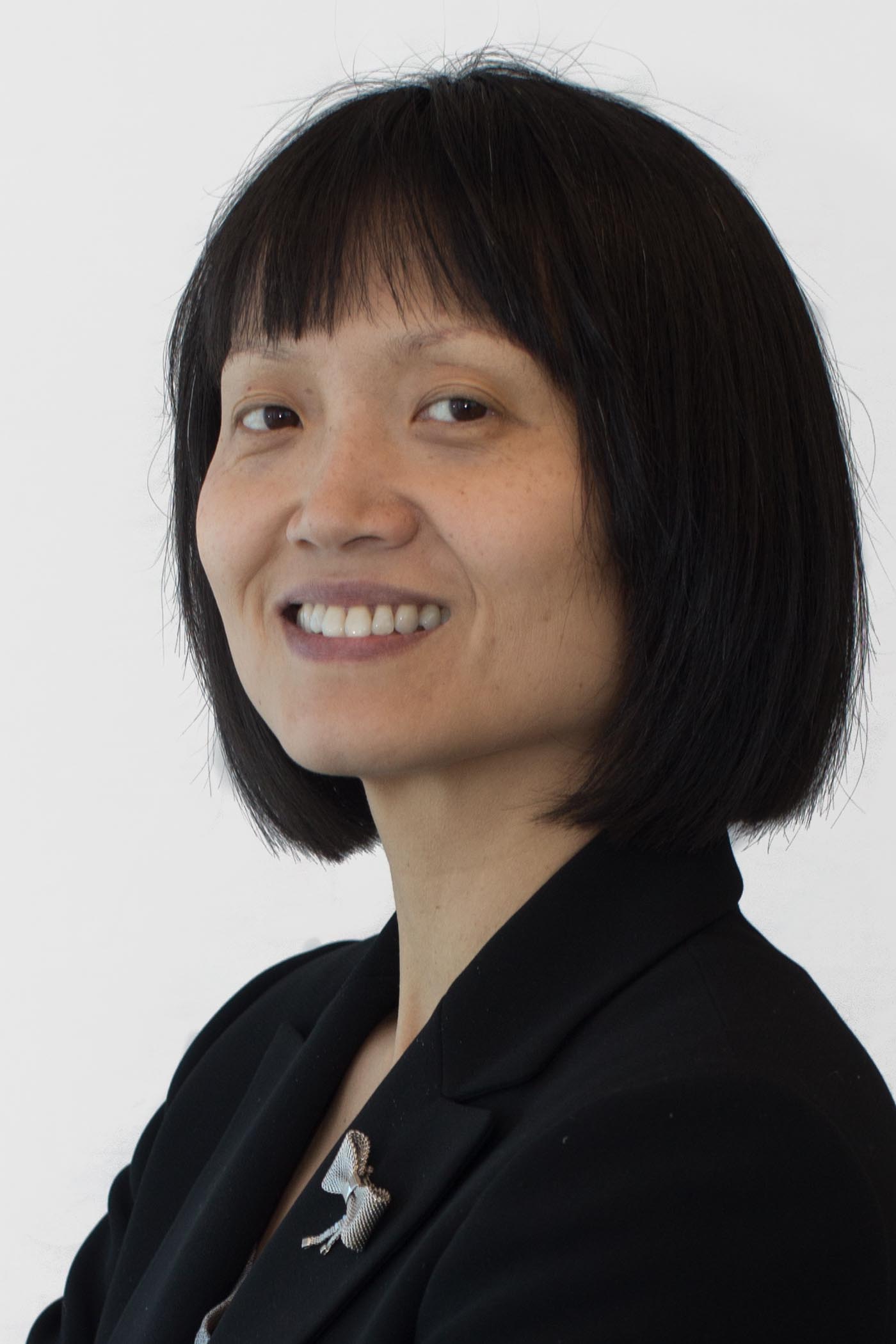
Lucy Lu, M.D., is President and Chief Executive Officer of Avenue Therapeutics, Inc. Dr. Lu has been the company’s President and Chief Executive Officer since inception. From February 2012 to June 2017, Dr. Lu was the Executive Vice President and Chief Financial Officer of Fortress Biotech, Inc.
Prior to working in the biotech industry, Dr. Lu had 10 years of experience in healthcare-related equity research and investment banking. From February 2007 through January 2012, Dr. Lu was a senior biotechnology equity analyst with Citigroup Investment Research. From 2004 until joining Citigroup, she was with First Albany Capital, serving as Vice President from April 2004 until becoming a principal of the firm in February 2006.
Dr. Lu holds an M.D. degree from the New York University School of Medicine and an MBA from the Leonard N. Stern School of Business at New York University. Dr. Lu obtained a B.A. from the University of Tennessee’s College of Arts and Science.
In this exclusive 2,995 word interview in the Wall Street Transcript, Dr. Lu contends that opiods as anesthesia can be replaced with her therapy:
“A few years ago, when physicians were not super-concerned with prescribing opioids, there might not have been a clear need for a drug like IV tramadol. Today, doctors increasingly realize that conventional narcotics can cause brain changes in the patient with the first dose and can cause some patients to experience euphoria. Doctors try to avoid hitting the mu-opioid receptor to the extent they can, which is where IV tramadol will fit in, by addressing the clear need for a new, effective pain-management therapy with a lower risk of abuse and dependence than conventional narcotics.”
This replacement therapy has large implications for US healthcare:
“A large study that reviewed an insurance database showed that one in 16 patients will go from being opioid-naive, meaning they have never taken opioids in their lives, to becoming opioid-dependent in the post-surgical setting. That is 6% of patients. That percentage translates to a large number when you think about how many surgical procedures occur in the U.S. each year.”
Get the complete “go to market” details by reading the entire 2,995 word interview in the Wall Street Transcript.
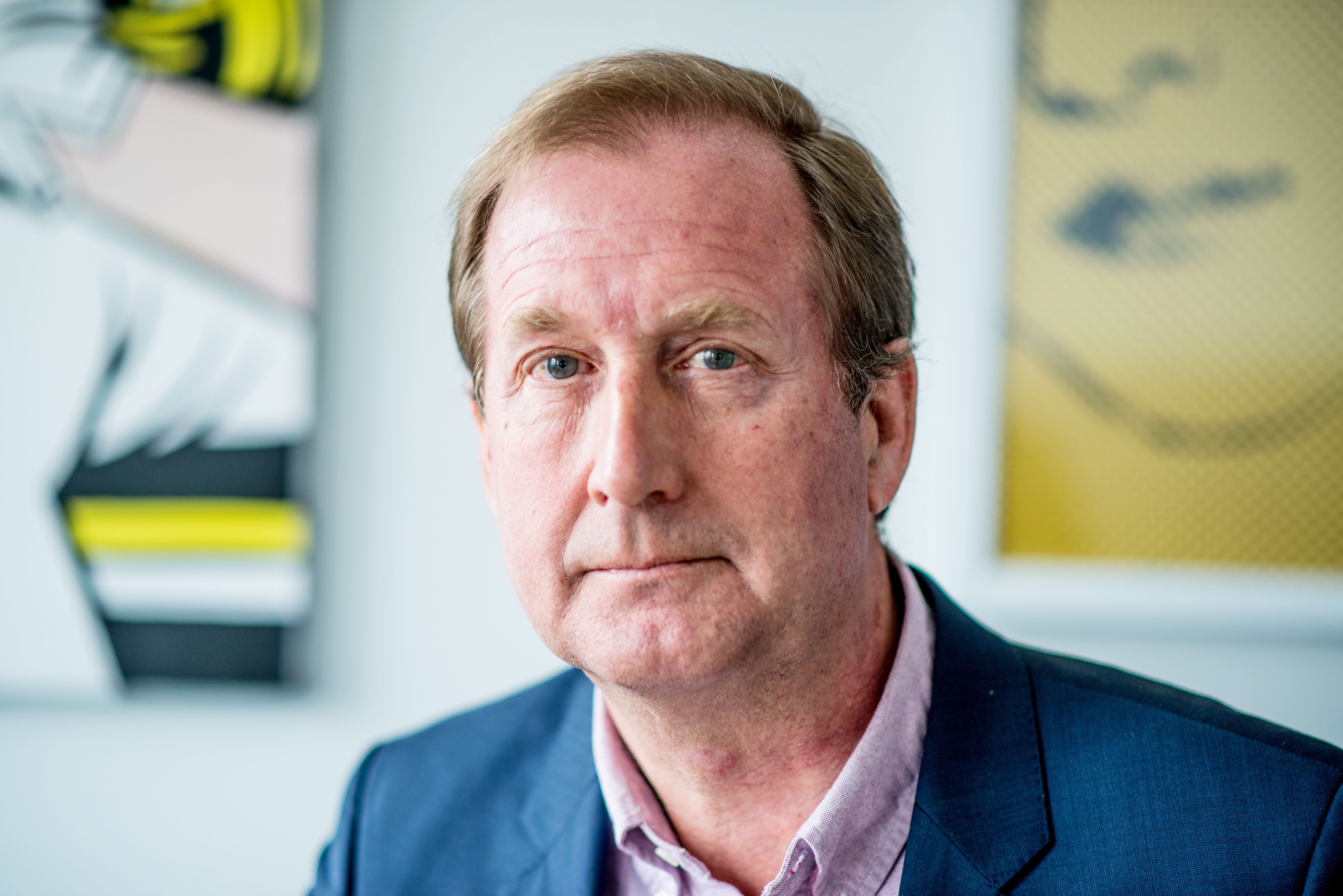
Ernest Loumaye, M.D., Ph.D., is Co-Founder and Chief Executive Officer of ObsEva SA, the in vitro fertilization drug development comany. Dr. Ernest Loumaye has brought extensive experience in pharma product development and the management of biopharmaceutical companies to ObsEva.
After a brief academic career at Louvain University Hospital, he joined Serono as head of clinical development for reproductive Health — Geneva and Boston. He contributed actively to the worldwide registration of three important biotechnology products.
In 2003, Dr. Loumaye joined Ipsen in Paris as Vice President, Medical Sciences. In 2006, Dr. Loumaye co-founded PregLem, a Swiss-based specialty biopharmaceutical company. As CEO, he led the company to the successful European registration of Esmya, its lead product. Gedeon Richter Plc acquired the company in 2010.
In 2012, Dr. Loumaye co-founded ObsEva and since then has served as the CEO of the company. Ernest Loumaye was a visiting professor of reproductive endocrinology at Louvain University, Brussels, from 2002 to 2010, where he held a full-time clinical and academic position until 1991. Dr. Loumaye holds M.D., Ph.D. degrees, with a specialization in obstetrics and gynecology from Louvain University, Belgium.
In this exclusive 2,950 word interview in the Wall Street Transcript, Dr. Loumaye discusses how his company will revolutionize the in vitro fertilization sector:
“I am a gynecologist by training and did a postdoc in reproductive endocrinology at the NIH — National Institutes of Health — in Bethesda a while ago, and I started practicing gynecology and infertility treatment in Louvain University Hospital in Brussels.
In the 1990s, I was recruited by Serono, the company that was leading in terms of drug development for infertility, based in Geneva. I joined as head of clinical development worldwide for its new infertility product. So I spent 10 years with Serono in Geneva and in Boston…
In 2005, I started a company based on providing innovative products for women’s health. I am focusing on women’s health because I know the conditions and have been treating these patients before becoming a drug developer.”
To get the full details on Dr. Loumaye’s successful new IVF therapy, read the entire 2,950 word interview in the Wall Street Transcript.
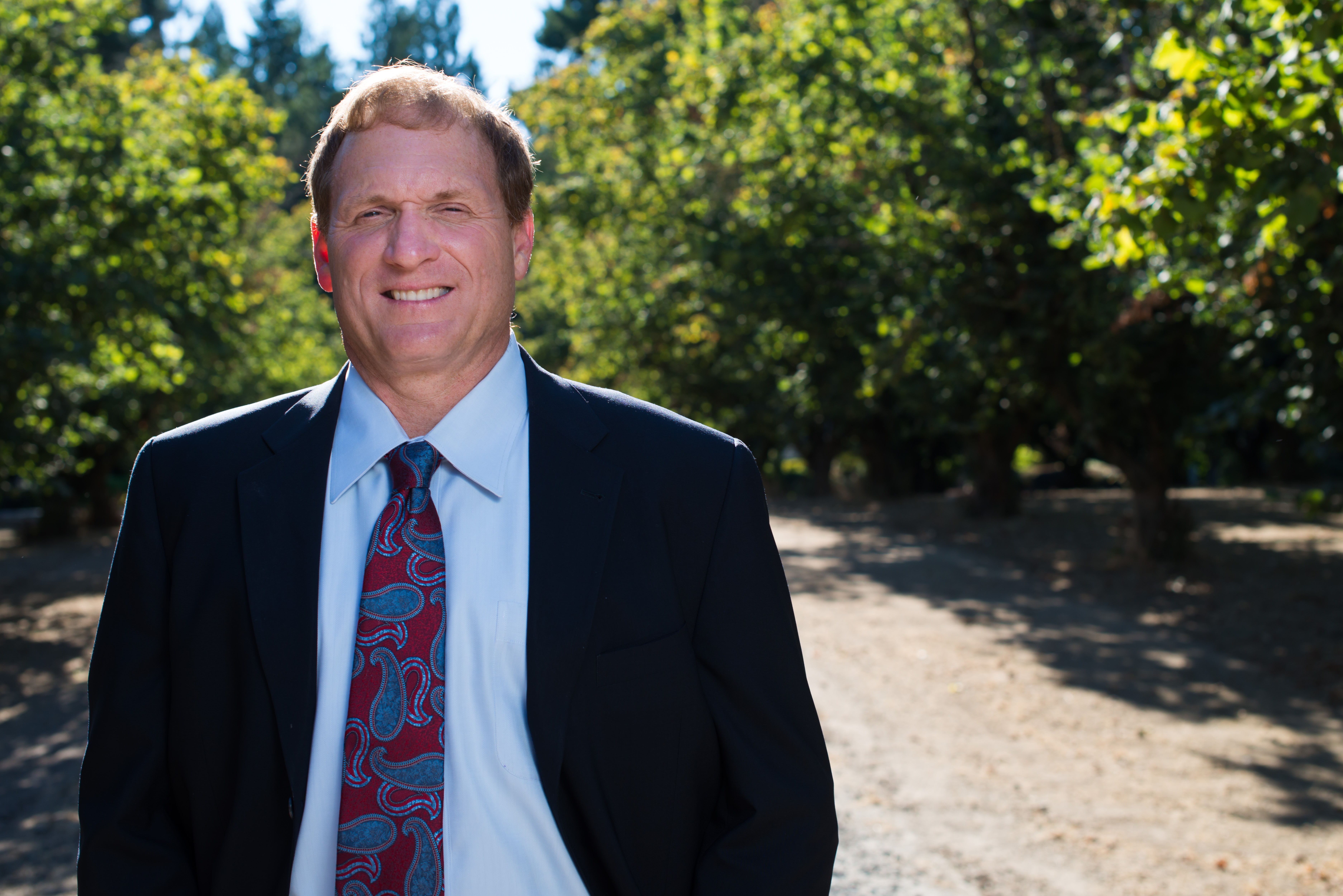
J. Jeffrey Auxier is President of Auxier Asset Management LLC and Founder of the Auxier Focus Fund. Prior to forming Auxier Asset Management in 1998, Mr. Auxier spent 16 years at Smith Barney — formerly Foster Marshall-American Express, then Shearson — where he was on the Portfolio Management Advisory Board and the Chairman’s Council, and was Senior Vice President of Investments and Senior Portfolio Management Director. In 1997 and 1998, he was named one of the top-10 brokers in the country by Money magazine, winning two consecutive stock-picking contests.
In this exclusive 2,874 word interview for the Wall Street Transcript, Jeffrey Auxier reveals his current views on this volatile market:
“The past few years, momentum strategies have dominated in an environment where interest rates dropped to 5,000-year lows. The popular trade has been to short volatility and go long passive indexes. The problem with passive: You don’t know what to buy and when to buy it on the way down. The Nikkei Index in Japan traded over 38,000 in 1989. It dropped all the way to 7,500 over the next 20 years. If you don’t really know what you’re in, you don’t have the conviction to buy and accurately quantify the true risk.”
The award winning portfolio manager clearly delineates between volatility and risk:
“Types of managerial risk include overpaying, overborrowing, ignoring technological disruption, losing focus and general misallocation of capital. Those are examples of quantifiable business risks that can negatively impact intrinsic value. Volatility and corrections are a normal part of auction markets. The markets are pretty virtuous. They are going to correct really bad behavior. But long-term volatility is not the risk part of the equation.”
Read the entire exclusive 2,874 word interview with J. Jeffrey Auxier in the Wall Street Transcript and get the complete picture of the current market as well as his specific stock picks that will ride out the storm.
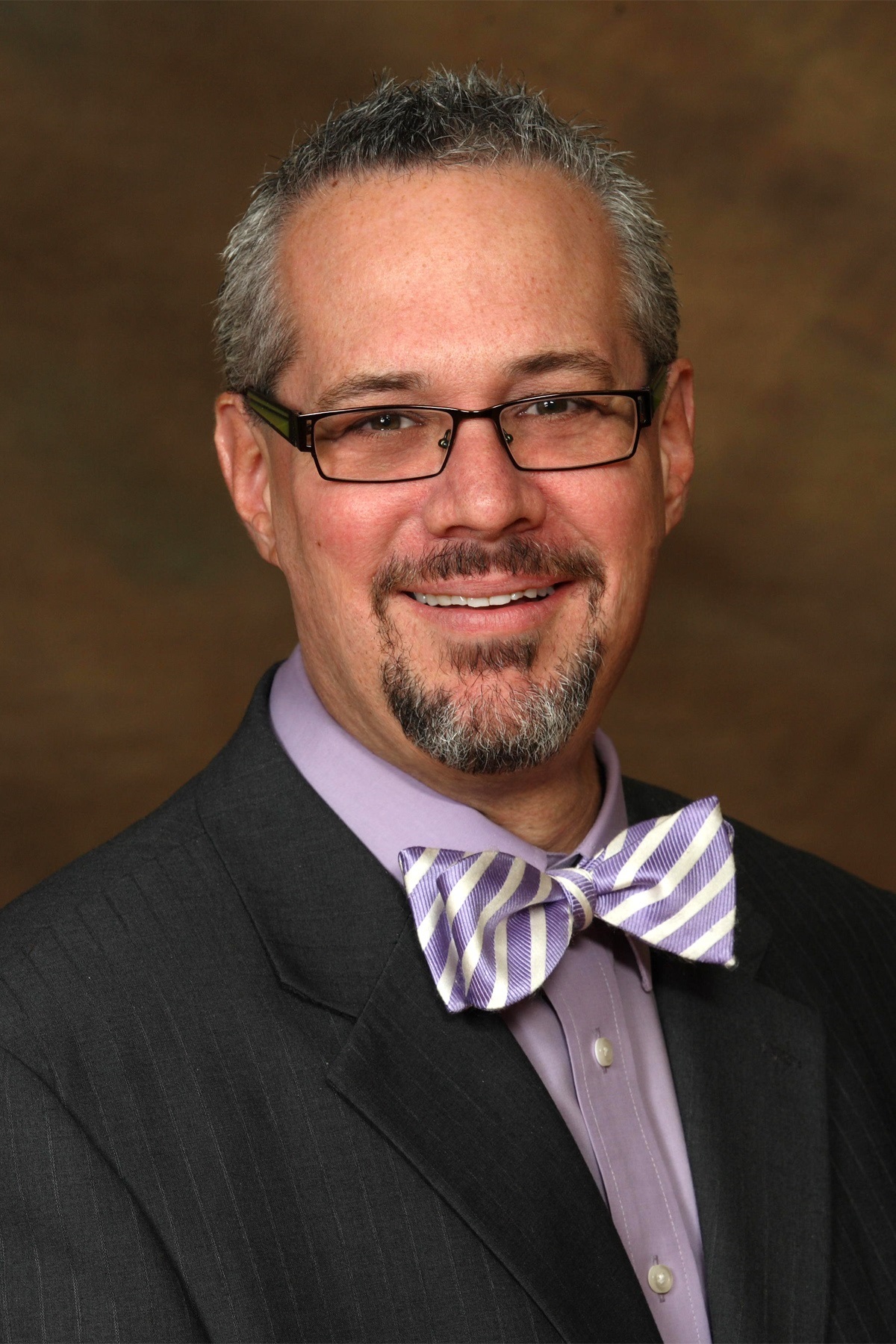
Malcolm E. Polley, CFA, is President and Chief Investment Officer at Stewart Capital Advisors, LLC. Mr. Polley oversees the investment process and provides the philosophical underpinning for the firm’s research and asset management. Mr. Polley led the effort to form Stewart Capital Advisors, LLC, an SEC-registered investment advisory subsidiary of S&T Bank. Mr. Polley began his career in 1987 on Black Monday, and he has held leadership positions with many financial services organizations, including S&T Wealth Management, Marquette Trust Company, Marquette Advisory Services and West Bank.
In this exclusive 3,979 word interview for the Wall Street Transcript, Malcolm Polley reviews his methodology in detail and reveals his current top picks.
“We’ve increased our exposure to financials a little bit, and financials that allow people to participate in a rising rate environment. One of the companies that we’ve been looking at is American Axle & Manufacturing Holdings (NYSE:AXL). American Axle really came out of General Motors (NYSE:GM) a number of years ago.”
The underlying metrics of this investment are attractive to the Stewart Capital portfolio management team:
“One of the reasons that the company’s value seems to be very attractive is that there is this idea that the company is so largely dependent on the Big Three, and they have been working diligently to reduce exposure to the Big Three automobile manufacturers. They just did an acquisition within this last year that allows them to continue moving away from the Big Three.
And we think that the stock is just overly cheap. It trades at about 4.6 times earnings, about 4.7 times forward earnings and about 4 times trailing earnings. ”
Malcolm Polley is calm about the current state of the markets: “…in terms of downturn in markets, we think that investors’ concerns are maybe a bit overblown as we’re fairly constructive on the markets themselves, but having said that, it really pays to focus in on valuation as it really helps protect in the downside.”
Read the entire exclusive 3,979 word interview with Malcolm Polley in the Wall Street Transcript and get all the top picks.
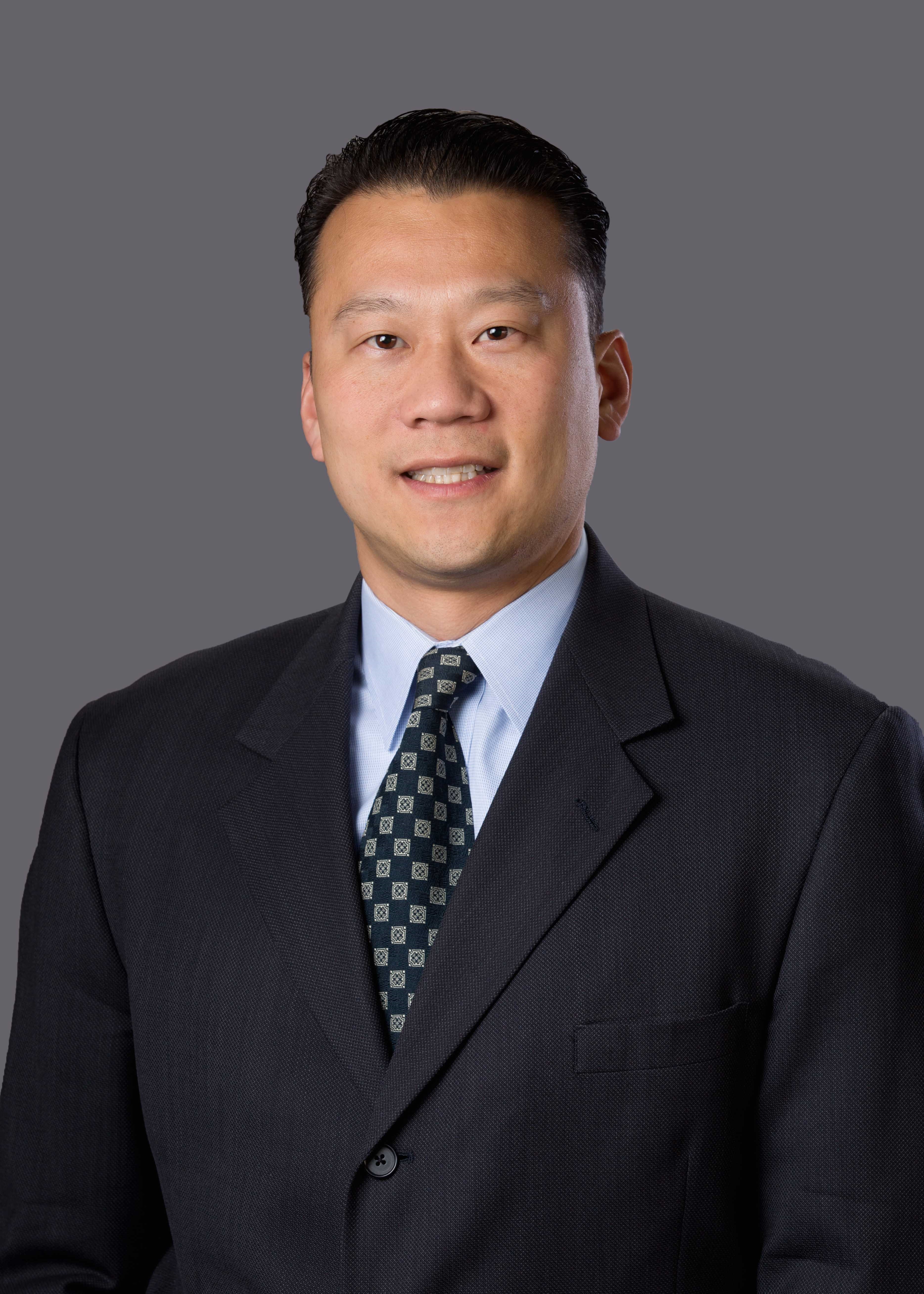
Andy Eng joined Renaissance Investment Management in 2016, and he is a Senior Research Analyst on the large-cap growth team and Portfolio Manager for the midcap growth strategy. He has over 20 years of investment experience. Prior to joining Renaissance, he was the equity portfolio manager for Northwestern Mutual Life Insurance Company in Milwaukee. In addition, he had held a variety of analytical and portfolio management roles during his 17 years at Northwestern Mutual, including fundamental stock analysis and portfolio manager of a small-cap growth fund. Prior to joining Northwestern Mutual, Mr. Eng started his investment career with AllianceBernstein.
In this exclusive 3,167 word interview, Mr. Eng details his investing methodology for the Wall Street Transcript.
“…We’re proud of the fact that during the entire existence of the large-cap portfolio, the process has remained consistent. We have always employed a quantitative front-end process, a factor-screening model, which some people refer to as smart beta screen. And we follow that with traditional fundamental research.”
This quantitative front-end is built on proprietary metrics derived from 27 years of internally produced market data:
“We start with the 1,000 largest U.S. companies, excluding ADRs and REITs. And we screen them for profitability and financial strength. And what we end up with is a subset of about 600 companies, which we define as high-quality profitable companies. And within these 600 companies, we employ a scoring process where we score and rank the stocks from one to 600 in terms of their growth, earnings momentum and valuation characteristics, and divide them into quintiles.
The top quintile, which is about 120 to 150 stocks, is what we call our focus list.
This focus list will comprise of stocks that have the highest rankings in growth, earnings momentum and valuation factors. It is from this list that we build a portfolio of about 50 to 60 stocks based on our fundamental research.”
Read the entire 3,167 word interview in order to get the full list of stocks that Andy Eng and his team have developed.
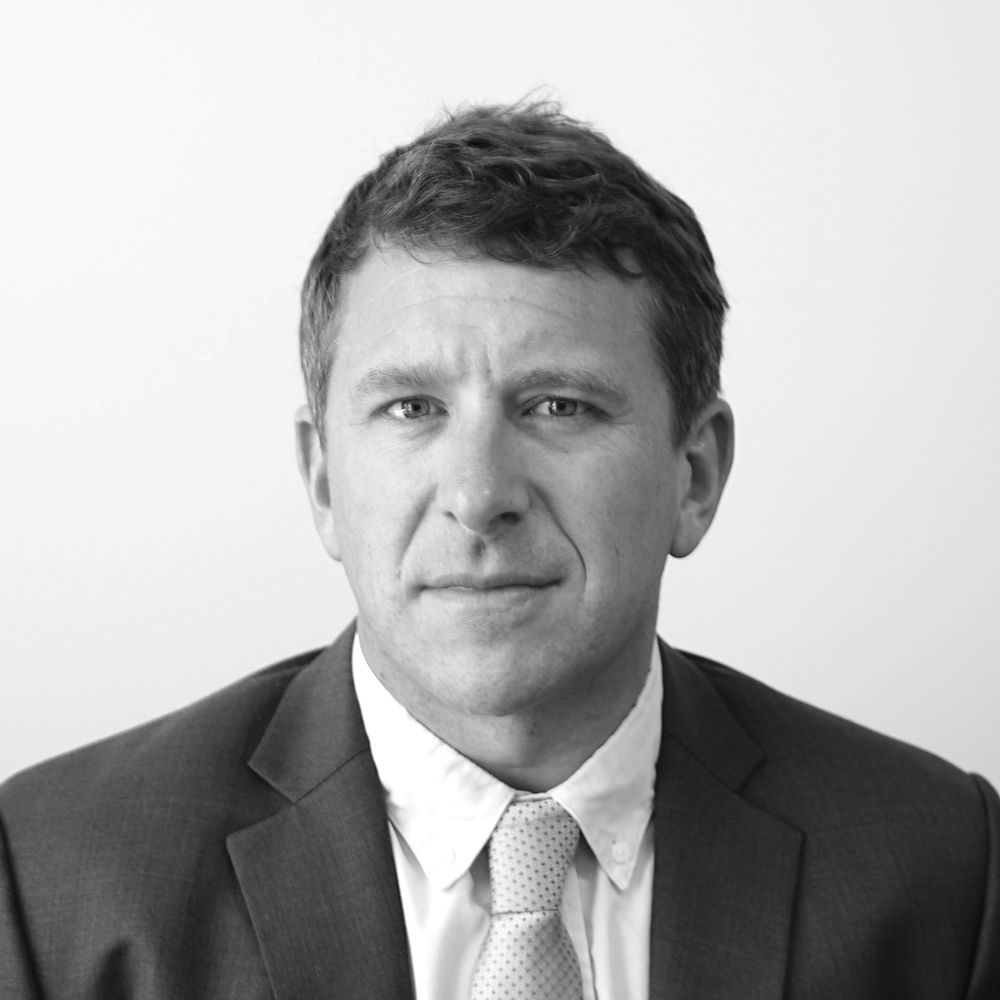
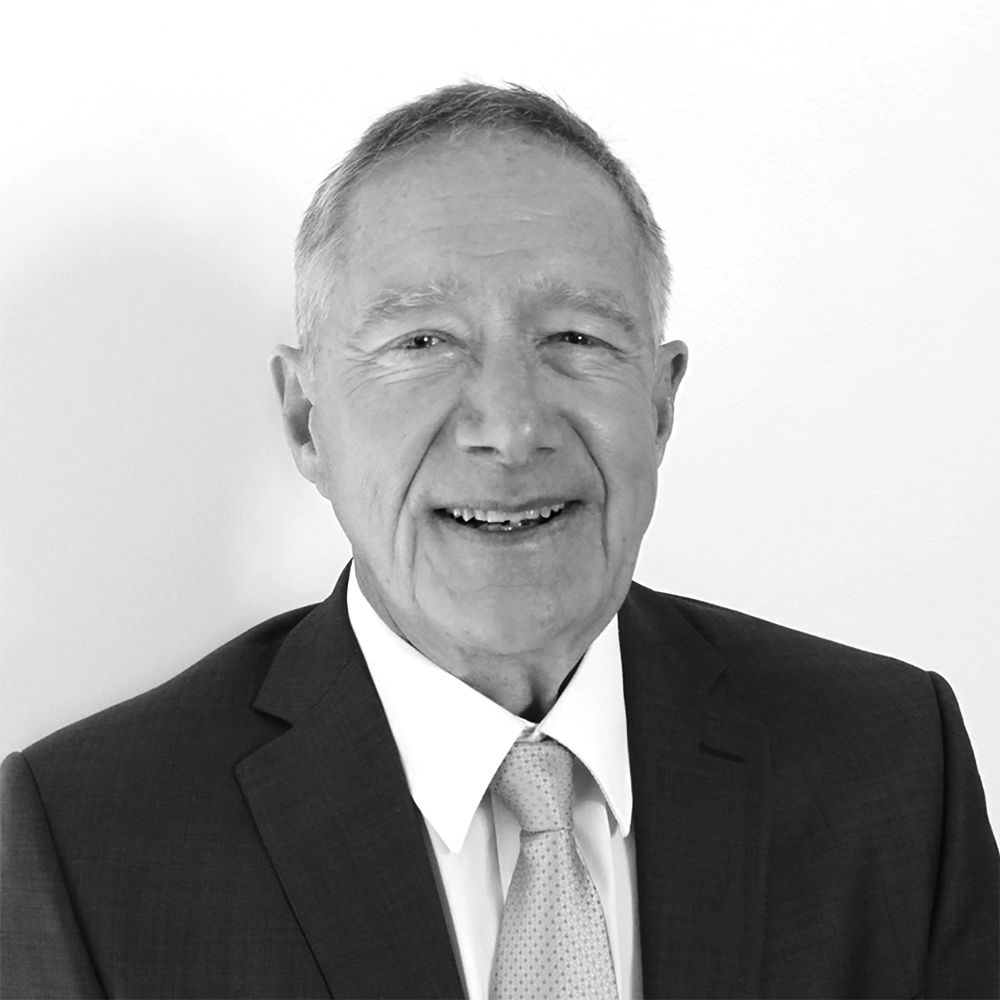
Sam Stewart is a Portfolio Manager and Founding Partner of Seven Canyons Advisors. He is the lead Portfolio Manager of the Seven Canyons Strategic Income Fund and a Portfolio Manager on the Seven Canyons Innovators Fund at Seven Canyons Advisors. Sam Stewart was also the Founder of Wasatch Advisors, and over his 43-year tenure at Wasatch, he helped build the company into an internationally known brand in global small-cap investing with assets of over $17 billion as of March 31, 2018.
Spencer Stewart is a Portfolio Manager and Founding Partner of Seven Canyons Advisors. Before Seven Canyons, he was a senior research analyst and a portfolio manager at Grandeur Peak Funds where he managed the Grandeur Peak Emerging Opportunities Fund from 2013 to 2017 in the diversified emerging markets category, the Grandeur Peak International Opportunities Fund from 2015 to 2016 and the Grandeur Peak Global Reach Fund from 2013 to 2015.
In this exclusive 4,419 word interview in the Wall Street Transcript, these two highly experienced and award winning portfolio managers share their view of the market.
“Well, what we’re seeing today is huge valuation discrepancies around the globe. And what people are willing to pay for quality growth has likely overshot in our view. At the same time, risk aversion has likely overshot. So every day, there’s a new concern or catastrophe to contend with, and there are some legitimate high-level issues that we have to contend with. The interest rate cycle is starting to turn. So for sure, there will be volatility as we go through this major shift, but we see this volatility as impending opportunity versus impending doom. So that’s kind of our in-house view.”
One of their top innovator picks is in the drug delivery business:
“One of the interesting things is, you find, for example, an antidepressant that has been approved — and of course, there are tons of those in the U.S. — and it has a 55% success rate. So the whole idea of looking back at genetics is to say, “OK, what is it about the 55% that are responsive that is different from the 45% that are nonresponsive?” So we think the runway is very wide and very long for personalized medicine. We are not unique in that view, but I think we have maybe unique insight because of the interest in the genealogical history as it links into the medical developments.”
To get all the specific stock recommendations from these two impressive asset managers, read the entire 4,419 word interview in the Wall Street Transcript.