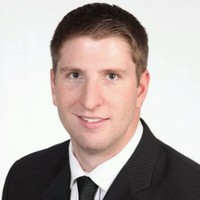
Steven Seedhouse, Ph.D., is Vice President, Equity Research, Biotechnology at Raymond James Financial, Inc. Dr. Seedhouse has been a biotech equity research analyst or an associate at various firms since 2015.
He joined Raymond James in March 2018. Prior to his career in equity research, Dr. Seedhouse completed a Ph.D. in pharmacology from Roswell Park Cancer Institute in Buffalo, New York, and holds an M.S. in medicinal chemistry from SUNY Buffalo.
In this 3,701 word interview exclusively for the Wall Street Transcript, Dr, Seedhouse looks through the current leaders in the biotech sector and picks his favorites:
“The timing of this interview for NASH is particularly good because the first-ever Phase III studies in non-cirrhotic patients are coming in the next few months. The first one will be Intercept (NASDAQ:ICPT) and the REGENERATE study reading out in the first quarter, and then Gilead has a trial called STELLAR-3 reading out in the second quarter.
Gilead also has a trial in F4 cirrhotic NASH patients reading out in the first quarter as well. There are other additional Phase II data sets and potentially another Phase III data set from Genfit (OTCMKTS:GNFTF) later in the year as well. This is a data-rich year.
It is going to be exciting, if those trials work, to see what happens from a regulatory standpoint and also from an M&A standpoint in the NASH base. Speaking with investors, I think, it is widely expected that the outcome of the Intercept study will be positive.
People are tending to be more skeptical of Gilead’s Phase III studies, but there is a high likelihood of Intercept’s work. I do think there is a chance that Gilead works, but it’s a little bit more of a coin flip. We will see.
NASH is a market that’s going to be here to stay.”
To get all the other top picks from Dr. Seedhouse, read the entire 3,701 word interview exclusively in the Wall Street Transcript.
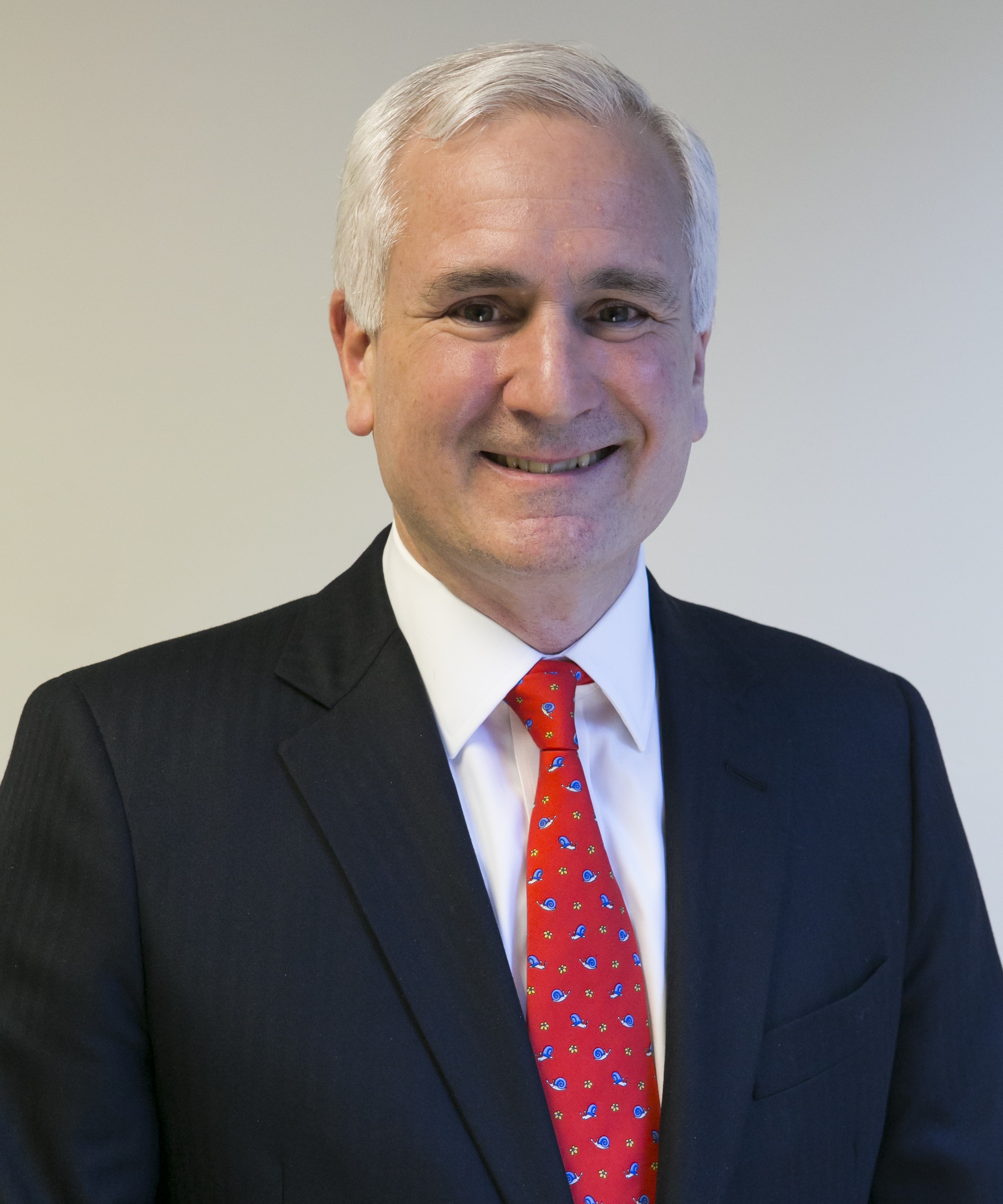
Seth Lederman, M.D., is Co-Founder, CEO and Chairman of Tonix Pharmaceuticals Holding Corp. Dr. Lederman is a physician, scientist, founder and executive officer of innovative biopharmaceuticals companies. Prior to founding Tonix, among the companies Dr. Lederman founded was Targent Pharmaceuticals, which developed late-stage oncology drugs, including pure-isomer levofolinic acid — levoleucovorin.
Targent’s assets were sold to Spectrum Pharmaceuticals, which marketed levoleucovorin as Fusilev for advanced colorectal cancer, where it gained significant market acceptance. Dr. Lederman served as an Associate Professor at Columbia University from 1996 until April 13, 2017.
He joined the faculty of Columbia University’s College of Physicians and Surgeons in 1985, became Assistant Professor of Medicine in 1988 and Associate Professor with tenure in 1996 and Director of the Laboratory of Molecular Immunology in 1997. From 1988 to 2002, Dr. Lederman directed basic science research at Columbia in molecular immunology, infectious diseases and the development of therapeutics for autoimmune diseases.
In this 5,394 word interview, Dr. Lederman explains his company’s primary drug developement:
“The indication that we are seeking is for “the treatment of PTSD,” and that label will not be restricted to PTSD from trauma in either military or civilian life. With all the military treatment data we have collected, we are now turning toward a study that is a mixture of PTSD from civilian or military trauma. ”
The initial target market is a high profile segment of our society:
“When sertraline or other SSRI antidepressants have been studied for military PTSD, they have not performed well. That is why we believe that our product, with the provisional trade name of Tonmya, or the internal code of TNX-102 SL, is so exciting and potentially differentiated. The results of our two studies in military-related PTSD indicate that TNX-102 SL shows activity in people with military-related PTSD.”
Get the full detail on the status of the development of this important new drug by reading the entire 5,394 word interview in the Wall Street Transcript.


Thomas Meyer is Chief Executive Officer of Auris Medical Holding AG. Dr. Meyer founded Auris Medical in April 2003 and was the sole shareholder until the end of 2007. Prior to founding Auris Medical, he was the Chief Executive Officer of Disetronic Group, a leading Swiss supplier of precision infusion and injection systems.
He worked for Disetronic in various functions starting in 1988, becoming member of the board of directors in 1996, Deputy Chief Executive Officer in 1999 and Chief Executive Officer in early 2000. Prior to joining Disetronic, he advised several Swiss companies in strategy, marketing and corporate finance.
Hernan Levett is Chief Financial Officer of Auris Medical Holding AG. Mr. Levett, CPA, has served as Auris Medical’s Chief Financial Officer since January 2017.
Prior to joining Auris Medical, Mr. Levett served as Head of Group Controlling at Acino Pharma AG and previously served as Vice President of Finance and Administration Europe at InterMune International AG. In addition, he spent 10 years at Novartis, most recently as Chief Financial Officer of Novartis Chile SA.
In this 2,933 word interview, the two executives detail the current status of their biopharmaceutical company and describe the next steps for investors. Dr. Meyer is still very bullish about his tinnitus treatment:
“Dr. Meyer: In tinnitus, the unmet medical need is really very, very strong because some people suffer a lot — well, we keep receiving from all over the world inquiries about the drug. At the same time, tinnitus is challenging because it’s not directly measurable, and in Phase III, we faced challenges with the way the tinnitus was measured. ”
Mr. Levett is satisfied with the company’s current capitalization:
“Mr. Levett: The company closed Q3 with 5.3 million Swiss francs in cash and cash equivalents. Since then, we have been active and raising capital. Following the offering we did in July 2018, we had warrants that were also exercised and brought additional cash during Q4 to us.
In addition, we had new investors taking a position in the company. We also are equipped with two additional programs. One is an equity line with Lincoln Park Capital. Another one is an ATM — at-the-market — facility with Alliance Global Partners. So with that, we are in good shape.”
Read the entire 2,933 word interview in the Wall Street Transcript and get clarity about the near term prospects for Auris Medical from these two senior executives.
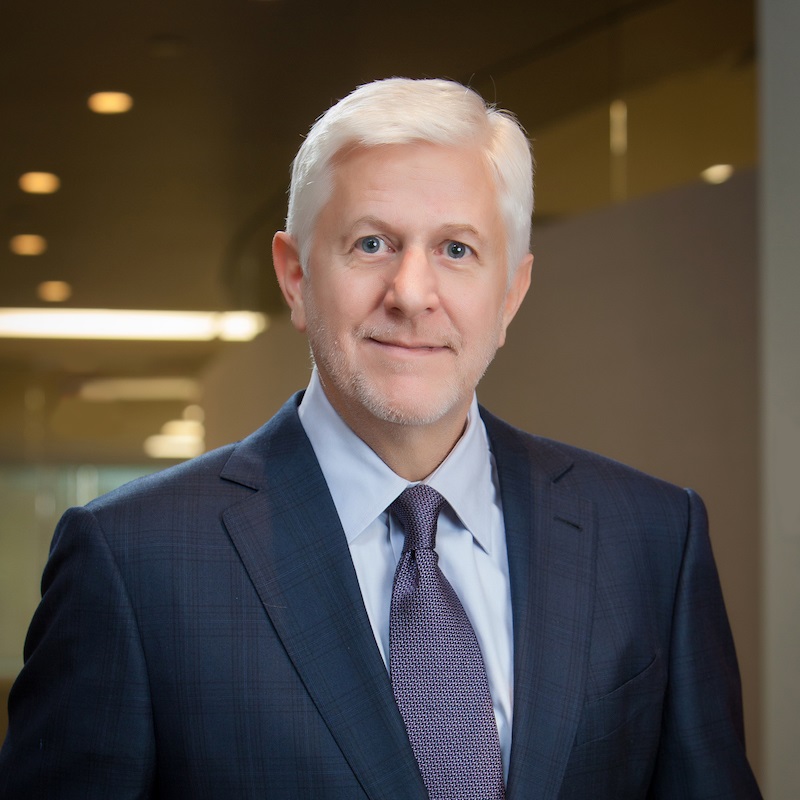
Michael Cook is the Founder, Chief Executive Officer and Chief Investment Officer of SouthernSun Asset Management. In his over 30 years of experience as a research analyst and portfolio manager, Mr. Cook has developed a unique investment philosophy and process, which serves as the core of the firm’s U.S. and global equity strategies.
Throughout his career, he has been featured and quoted in The Wall Street Journal, Barron’s and Bloomberg Markets magazine and has been a speaker on CNBC, Fox Business News and Bloomberg TV.
In this exclusive and extensive 3,747 word interview in the Wall Street Transcript, Mr. Cook describes the idiosyncratic stock valuation methodology that has fueled his firm’s success:
“I’m always a little bit nervous when people start talking about unique investment philosophies because I think we all are unique in some way, shape or form, but I do think our approach is unique. It seems probably more unique today than maybe it was when I began.
In a sense, the concentrated nature of our portfolio and our particular focus on small to midsize businesses in the public marketplace were always a bit of our uniqueness because that was not necessarily something that there was an enormous proliferation of when I originally started the firm.
Also, our dedication to on-the-ground research is a big differentiator in my opinion. Frankly, we’re a little bit more like a private equity firm that manages public equity.”
Some of the top stocks discussed in the interview are not obvious:
“A name that we haven’t talked about though is The Brink’s Company (NYSE:BCO). You probably know them as the armored car or the armored trucks that you’ve seen in the past, but they’re so much more than that today. They’re one of the largest providers of logistics and security services for the transport of both cash and valuables around the world.
One of the questions that we hear often is, “Why would a company that moves cash be valuable in a world where we’re basically going digital?” Well, interestingly enough, cash in circulation globally continues to grow and has grown about 6% a year for the past several years.
There’s still an enormous unbanked population in the world. The view that anything related to cash is basically a dying industry is the first assertion that needs to get knocked out when you think about a company like Brink’s.”
To get the full detail on this and many other top picks from Michael Cook, read the entire 3,747 word interview in the Wall Street Transcript.
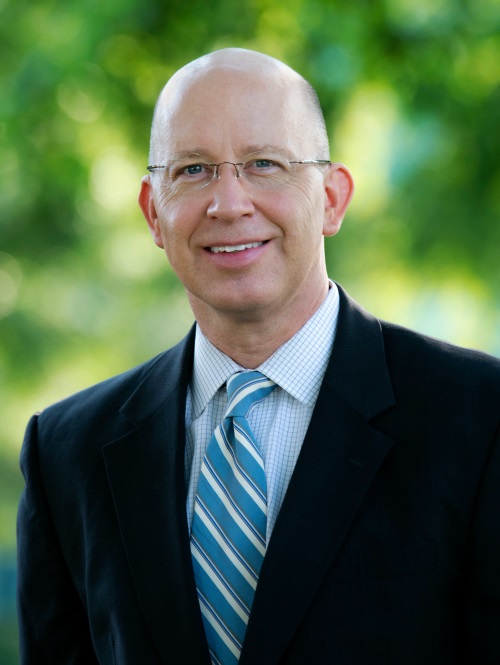
Eric M. Teal is Chief Investment Officer and Managing Partner of Queens Oak Advisors, a position he has held since August 2015. He has overall responsibility for the firm’s investment strategy and results. This includes overall responsibility for asset allocation and directing portfolio management, research, trading, planning and risk management.
In this exclusive 1,755 word interview with the Wall Street Transcript, Mr. Teal updates his analysis of several key portfolio stocks:
“…There was a merger of equals between BB&T (NYSE:BBT) and SunTrust (NYSE:STI), which is a combination of two notable regional banks in the Southeast. We have thought for some time that there would be continued consolidation within banks and financials, but this is the biggest merger in nearly a decade since the financial crisis. We think the consolidation among regional banks will continue to occur as there is a need for scale and operational efficiencies within the banking industry.”
The development of MetLife is another portfolio positive:
“…We do like insurance providers such as MetLife (NYSE:MET). Met has an attractive dividend yield significantly above the market and the industry peer group. They’ve had solid earnings growth as well as dividend growth over the past several years.
Their earnings have continued to accelerate primarily with disciplined expense management. And so given their diverse exposure to life insurance, asset management and small businesses, and our view that claims will be lower within the insurance industry over the next year or two, we think that MetLife looks attractive…”
Another top pick is BorgWarner (NYSE:BWA):
“BorgWarner stock has since stabilized and has had a strong start in 2019. The company does have exposure to tariffs with China, but they have really rationalized their product offering, including selling off the thermostat business last year, and their products offer good exposure to hybrid and electric technologies and motor vehicles.
And so the recent decline in stock price, I think, gives a unique opportunity for investors to own a company that is trading at a forward p/e in the single digits, offering long-term growth in many attractive areas, particularly within light vehicle sales.”
Get more of the detail on these and many other picks by reading the entire exclusive 1,755 word interview in the Wall Street Transcript.
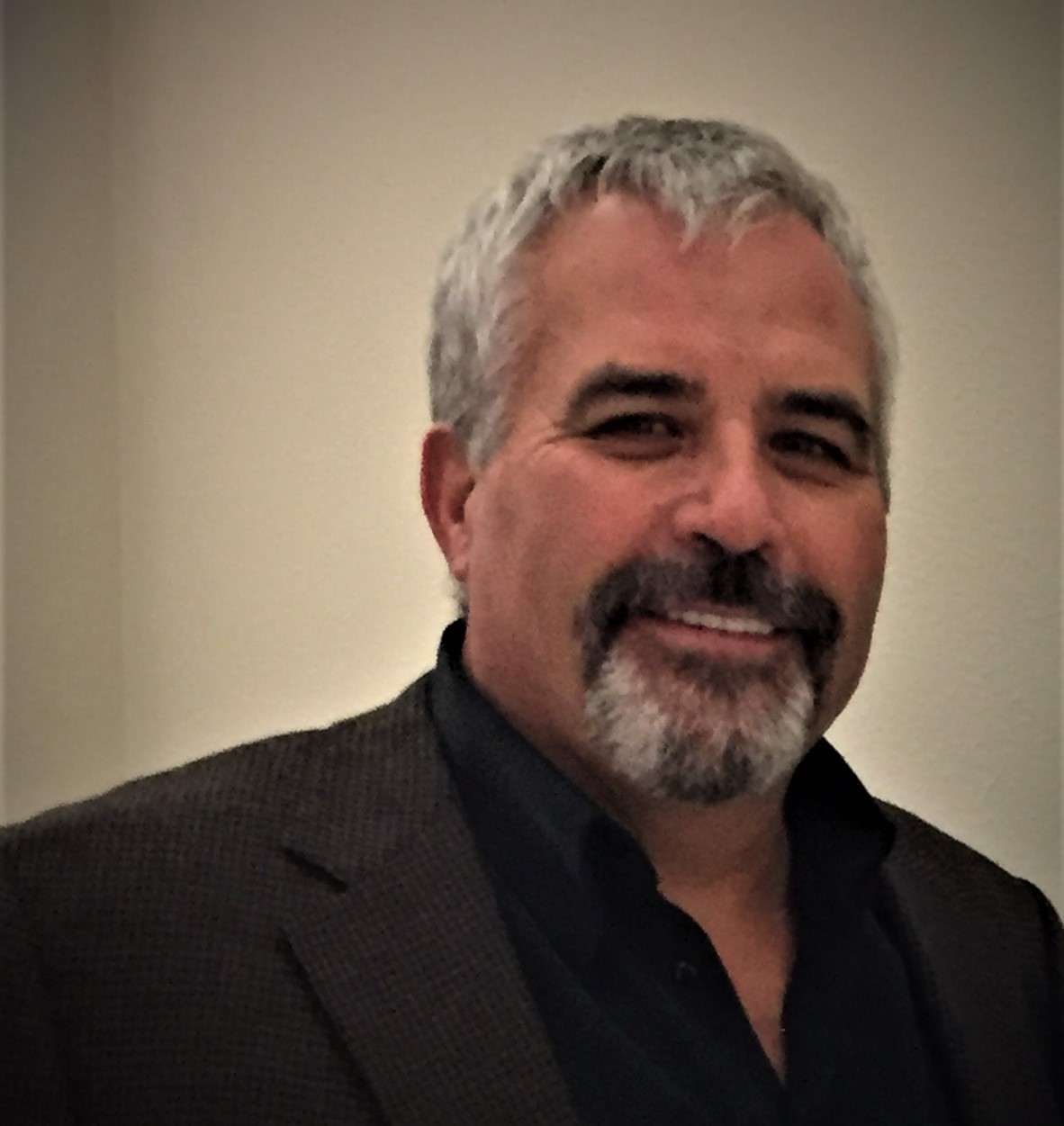
Troy Meier is Co-Founder, Chairman and Chief Executive Officer of Superior Drilling Products, Inc. Mr. Meier has more than 33 years of experience in the oil and gas industry, including 13 years at Baker Hughes. Along with Annette Meier, he co-founded the company that is now SDPI in 1999.
Since that time, Mr. Meier has spearheaded the development of the company’s new manufacturing business as well as its research and development activities. As SDPI’s chief innovator, he has been responsible for not only inventing but also designing engineering and manufacturing industry-specific machinery and processes.
In this exclusive 3,182 interview, this CEO explains how to start and grow a successful manufacturing business in the United States.
The company is based on re-cycling equipment:
“We started Superior Drilling Products in 1993, and initially, we specialized in refurbishing PDC drill bits, or diamond drill bits as they are commonly called. And we pioneered the process for refurbishing PDC bits. Up until that time, worn out bits were simply discarded.
Our innovation of this process changed the way the industry viewed and handled PDC bits, effectively transforming them from a disposable asset that was a one-time sale to something with a significantly longer life span that could be rented and reused multiple times.
In 1996, we signed a contract with Baker Hughes and are still working basically under that same contract, with some modification, over 23 years later. ”
The business has developed into complete manufacturer:
“The majority of our business, and our real growth engine, is driven by our own product lines. The first tool we introduced was the Drill-N-Ream, our flagship product. We developed it jointly with a company called Hard Rock. As I mentioned, we acquired their 50% of the intellectual property by purchasing Hard Rock.
Raising capital for that acquisition was one of the main reasons why we went public in 2014. We now own 100% of the I.P. behind Drill-N-Ream, on which we have six patents.
The Drill-N-Ream was really a step change in drilling technology…”
Get the rest of this inspirational American entrepreneur’s story by reading the complete 3,182 word interview in the Wall Street Transcript.
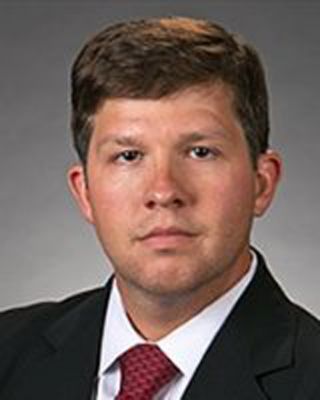
David Amoss, CFA, is the Lead Research Analyst for the midstream sector at Heikkinen Energy Advisors. He previously covered the upstream energy sector at Howard Weil and Iberia Capital Partners. Prior to that, Mr. Amoss was an economist with AECOM in Chicago and Sydney, Australia, specializing in front-end traffic and revenue analysis, primarily in the transportation and energy sectors.
He holds a BBA in international business from The University of Georgia and is a CFA charterholder. Mr. Amoss currently serves as Chairman of the board at Lycee Francais de la Nouvelle-Orleans, a French immersion charter school in New Orleans. He has previously served as President of the CFA Society of Louisiana.
In this 3,373 word interview, exclusively in the Wall Street Transcript, Mr. Amoss analyzes the MLP sector in depth.
“There are two separate questions that have been posed to MLPs. The first is: Should you retain your existing structure if you have incentive distribution rights, or IDRs? The second question is: Should MLPs, existing companies that are structured as MLPs, consider a conversion to be C-Corp-structured companies? And I think those are two very distinct questions.”
The valuation of these companies is intrinsically tied to the corporate organizational structure:
“Midstream investors and MLP investors do not want to see companies retain their IDR structure. And over the last two years especially, most of the companies in the space have either undertaken a “simplification” of their structure or have announced a proposed transaction to eliminate IDRs. Most of those proposed deals are scheduled to close in the first quarter of 2019.”
Get the full detail on these MLP specific issues and the current recommendations for investment by reading the entire 3,373 word interview exclusive to the Wall Street Transcript with David Amoss, the Lead Research Analyst for the midstream sector at Heikkinen Energy Advisors. exclusive to the Wall Street Transcript.
David Lifschultz is the Chief Executive Officer of Genoil Inc. and a member of the board of directors. He joined Genoil in 2001, bringing more than 30 years of technology industry leadership and executive management experience.
Mr. Lifschultz is extremely well-versed on the global macro and geopolitical dynamics affecting the energy sector. Prior to joining Genoil, David Lifschultz served as the President and Chief Executive Officer of Lifschultz Terminal Leasing Inc., a holding and investment company that allocates capital for alternative energy technologies.
Mr. Lifschultz was President and Chief Executive Officer of Lifschultz Industries Inc., which was a high-tech precision metrology company notable for developing heat measuring instruments that could measure heat to the nano degree in partnership with Donald J. Trump.
In this exclusive 2,638 word interview, Mr. Lifschultz details the method his new company has a new technology that “converts heavy oil with sulfur into light oil with very, very low sulfur.”
Mr. Lifschultz summarizes the sustainable barrier to entry that provides the value proposition for his shareholders and customers:
“We can convert the heavy oil, which has high sulfur and high carbon ratios, to the carbon ratio equivalent of light — actually, even better than light — at a cost that can undersell the light oil. So our marketing plan is to convert as much heavy oil as we can because we can produce a better-quality oil than the present light oil that’s on the market at a much lower cost.”
The geopolitical implications of this technology were used by Mr. Lifschultz during the Bush Administration:
“…I presented to Secretary of Energy Samuel Bodman a plan to create 22 million to 25 million barrels a day of excess oil-producing capacity, shut-in capacity to the world, so that if the Strait of Hormuz were closed, Genoil would have a reserve production to meet that demand and avoid a collapse of the entire world economy.
Secretary of the Energy Samuel Bodman thought that was the most brilliant idea that he had ever heard of, but he was not able to push it through.”
David Lifschultz is currently trying to deploy his proprietary technology to China:
“…We have precedent in this in that Fred Koch of Koch Industries had a technology for refineries in the 1930s, and he was boycotted by all the major oil companies. And he went to Joseph Stalin’s Russia. And Stalin’s engineers told him his was far better than anything they’re using in the United States.
So Stalin rolled out that technology in all his refineries. And Russia then gave Fred Koch a start, which is now Koch Industries. So I thought of myself as being in the same position as he was. We had the technology, but nobody wanted to use it, so that’s why we went to China.”
Read the rest of this 2,638 word interview, exclusive to the Wall Street Transcript, for the full detail on David Lifshultz’ strategy for his company.
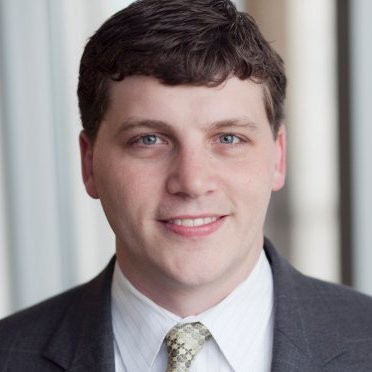
Ben Nolan joined Stifel Financial Corp. in May 2013 as Director covering the shipping and energy infrastructure sectors. Prior to Stifel, Mr. Nolan was part of Knight Capital covering both equity and debt of companies in the maritime sector, and he spent six years at Jefferies as an equity research analyst covering the shipping sector.
In addition to equity research, Mr. Nolan spent several years as a corporate financial analyst for EOG Resources in the oil and gas business. Mr. Nolan graduated from Texas A&M University with a BBA in finance and received his MBA from the University of Houston.
In this 3,081 word interview, Mr. Nolan reveals some important investment considerations:
“On the natural gas side or the LNG side, that market has really been growing at a tremendous clip. And the reason for it is largely Asia, and China largely has a voracious appetite for natural gas right now, and not just China.
There are a lot of places around the world that are looking to de-emphasize coal and replace it with cleaner-burning natural gas. That’s because generally speaking natural gas can be procured relatively cheaply from the United States…”
The positive balance of trade for the United States cannot be over-emphasized:
“…we’re exporting more to Korea than we would to China because they’ve traded places a little bit in some categories. Still, the demand is very strong and probably will continue to be very strong. And I think, broadly, the export of U.S. hydrocarbons will definitely be the major theme of all of energy for the next five to 10 years.”
Ben Nolan details several top stock picks including this current favorite:
“At the moment, my favorite idea, certainly in small-cap land, is a company called Navigator Gas (NYSE:NVGS). It’s currently trading at about $10, and we have a $16 target price on it. They have a special niche within the tanker market.
They ship specialty gases, and that could be things like propane and butane but also specialty chemicals like ethylene that are all being produced in the U.S. along with oil and natural gas. And those are having to find their way into the international market, while there’s very limited consumption growth in the United States for that. But there’s tremendous demand internationally.”
Get the full 3,081 word interview, only in the Wall Street Transcript.
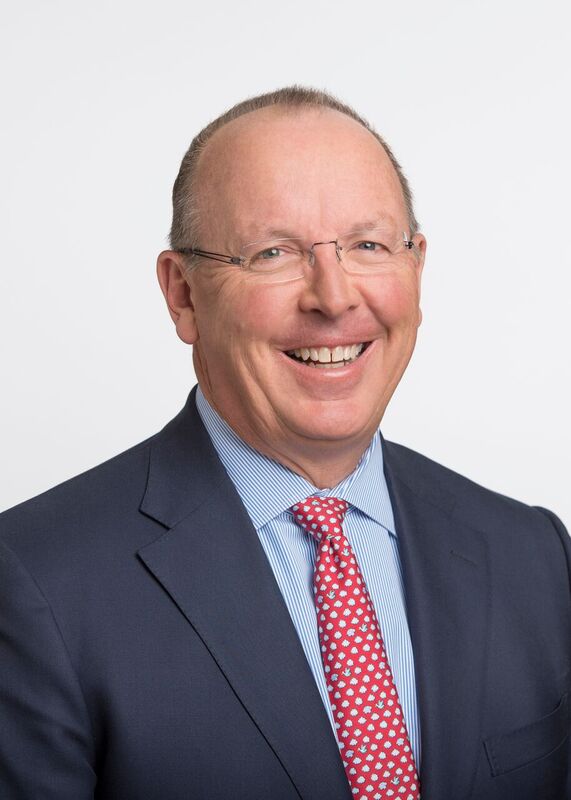
Scott Wylie is Founder, Chairman and CEO of First Western Financial, Inc. Mr. Wylie leads a great team of professionals at First Western Financial and First Western Trust. Before that, he served as Chairman and CEO of Northern Trust Bank of Colorado after having sold his prior institution, Trust Bank of Colorado, to Northern in 1998.
Prior to that, he led the acquisition of Equitable Bankshares of Colorado, a Denver-based bank holding company with two subsidiary banks, now known as Colorado Business Bank. In 1987, he started his first bank as a subsidiary of the First Boston Corporation. He later led a management buyout and renamed it the Bank and Trust of Puerto Rico.
Mr. Wylie received a Master of Business Administration from Harvard Graduate School of Business and a Master of Arts in economic development from the School of International Service at American University.
In this 3,006 word interview, exclusive to the Wall Street Transcript, Mr. Wylie details what it takes to start up a successful bank in the United States.
“I had sold my previous bank to Northern Trust and was running the Rocky Mountain region for Northern. I saw a real opportunity then to create a private bank and trust company that was focused on Western wealth management clients. The clients here in the West are different than those from the traditional East Coast or Midwest clients because the economies there are older and tend to have more intergenerational wealth.
The West represents younger economies with first-generation wealth, so we thought there was an opportunity to create a kind of new-generation private bank and trust company to serve that newer generation of Western wealth.”
This focus on asset management has contributed to a more stable revenue flow for the bank:
“The big difference for First Western’s financials compared to other financial institutions like ours is the fee business. About half of our revenues are from the fee business, and most of that is recurring business from the trust and investment management business, which has $5.6 billion in assets under management.
A lot of folks today are worried about what is going to happen with net interest income, so that is a concern for us as well. We pay attention to the deposit betas like everybody else, but that only directly affects half of our revenues.”
Get the complete picture and read the entire 3,006 word interview, exclusive to the Wall Street Transcript.