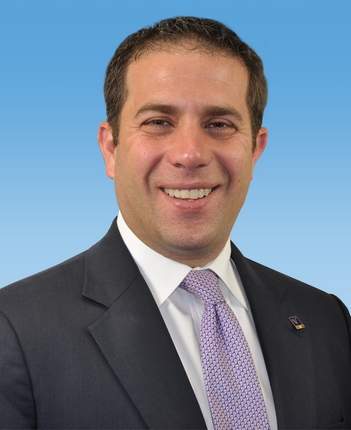
Ira D. Robbins is President, Chief Executive Officer and Director of Valley National Bancorp. Mr. Robbins joined Valley Bank in 1996 as part of its Management Associate Program and has held several key positions throughout the bank for over 20 years. In 2009, he was awarded the title of First Senior Vice President and Treasurer and then was promoted to Executive Vice President in 2013.
In 2016, Mr. Robbins was recognized for his invaluable contributions to the bank’s growth with a promotion to Senior Executive Vice President. In 2017, he was appointed as President of Valley National Bank and assumed the role of CEO in 2018.
In this exclusive 3,252 word interview in the Wall Street Transcript, Mr. Robbins reveals the secret to his success:
“…It is important for us to enable local decision-making while maintaining centralized underwriting and operations to ensure that there is one credit culture and one operating philosophy across the entire organization.
We want to provide customers with the unique touch and feel that he or she would want based on local relationships. It is something we spend a lot of time on to make sure we have empowered customers and employees who have the tools and data necessary to make important decisions.”
The bank has expanded dramatically into regions other than the tax burdened New York and New Jersey area:
“…From an economic-trend perspective, the Florida region is definitely growing from a GDP and population perspective to a much more varying degree than is our core historic New Jersey and New York footprint. The tax implications are different in these Northeastern markets versus what they are in Florida.”
To get the rest of the detail on how a local bank can thrive at this point in the economic cycle, read the entire exclusive 3,252 word interview with CEO Ira Robbins in the Wall Street Transcript.
Richard Xavier Bove is the Chief Financial Strategist at Rafferty Capital Markets. Mr. Bove began his career on Wall Street as a retail salesperson at legacy Eastman Dillon Union Securities in late 1965. He joined Wertheim & Co. in 1971 as an analyst covering the building and banking industries.
Later, Mr. Bove became the Director of Research at C.J. Lawrence and Raymond James. In the mid-1980s, he returned to the analytical profession as a banking and financial analyst serving at Raymond James, Dean Witter Reynolds, Lehman Brothers and Ladenburg Thalmann, among other firms in his 53 years in the industry.
In 2013, Mr. Bove joined Rafferty Capital Markets. In 2018, he was selected to be the firm’s Chief Financial Strategist. Mr. Bove has been interviewed on television over 1,500 times and his print interviews now number over 10,000. His views have been reported on in Europe, Asia and Latin America. He holds a bachelor’s degree from Columbia College where he graduated in 1962. He has been married 52 years and has seven children and 21 grandchildren.
In this 4,884 word interview exclusive to the Wall Street Transcript, Richard Bove reviews the current state of banking at this point in the economic cycle:
“For the past 12 to 18 months, my position has been relatively negative. I have not wanted to buy bank stocks, and at this moment, I still do not want to commit to the industry. I am concerned about money availability, money costs, loan quality and, most important by far, the ability to generate increased sales.”
The cause for concern is well-founded:
“Higher interest rates have a very negative impact on the value of financial assets. The latest quarterly report from the Federal Reserve indicates that, if it marked its securities portfolio to market, it would have had to lower the value of these securities by $66.5 billion, wiping out the $39.5 billion that is the Fed’s equity. In theory, the Fed is insolvent because it has no real equity.
Banks must deal with the same issue.”
To read the rest of this 4,884 word interview, click here to see it on the Wall Street Transcript.
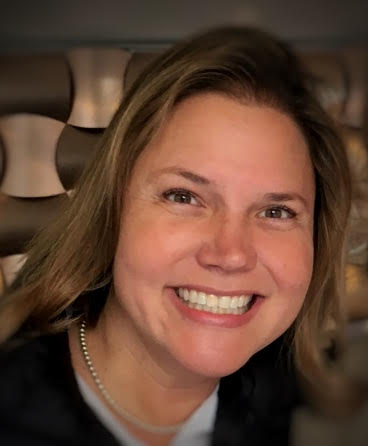
Laurie Havener Hunsicker is Managing Director and Research Analyst at Compass Point Research & Trading LLC. Ms. Hunsicker is a Managing Director and senior equity analyst at Compass Point Research & Trading covering small regional banks, community banks and thrift conversions, with a geographic focus on the Northeast, Mid-Atlantic and Hawaii.
She is well-known in the financial services investment community for providing in-depth, fundamental analysis and equity research with a career as a senior equity analyst that spans 28 years. Ms. Hunsicker has received more Top Stock Picking Awards of Excellence by Thomson Reuters/StarMine in both the categories of Thrifts & Mortgage Finance and Banks, combined, than any other U.S. equity sellside analyst since StarMine started publishing awards in 2002.
In this 3,491 word interview, exclusive to the Wall Street Transcript, Laurie Havener Hunsicker explores the current state of bank stocks, and reveals her top picks.
“If I look at our names again, prior to our downgrade, we had 18 “buys,” and now we are at 11. We had six “neutrals,” and we are now at nine “neutrals.” We had zero “sells,” and now we are now at four “sells.” When we look more broadly, some of the dividend yields on these stocks are huge. Of our “buy”-rated stocks, I have two stocks that are yielding over 4% at the moment, and that is also attractive.”
There are few times when a equity analyst with 28 years of experience uses the word “love” when referring to a stock pick:
“To start off, there is absolute love for the Hawaii banks. Starting alphabetically, Bank of Hawaii (NYSE:BOH) is a $3 billion-market-cap stock that we have “buy”-rated. It is currently trading at 2.4 of tangible book and 11.5 times our 2020 estimate. BOH is a $17 billion bank with a very high ROTCE that is sitting upward of 18%.
When we look at how this bank performed during the last crisis, it was virtually unscathed. It has a very attractive dividend yield here at 3.5%. It actively buys back. In fact, in the last quarter, it bought back almost 300,000 shares at $83. The stock is sitting today at $71.
We believe there is a lot of directional reason to own BOH. And deposit franchise has become increasingly important, as we have seen rates go up.”
To see the rest of the analysis for Bank of Hawaii and all the other banks the award winning Laurie Havener Hunsicker recommends, read the entire 3,491 word interview in the Wall Street Transcript.

Michael J. Cuggino has served as the President and Portfolio Manager of Permanent Portfolio Family of Funds since his investment advisory firm, Pacific Heights Asset Management, LLC, began managing the fund’s four portfolios on May 1, 2003.
Mr. Cuggino has served as a trustee of the fund since 1998, as its Chairman of the board and President since 2003, and as its Secretary since 2006. From 1993 through 2007, Mr. Cuggino served as the fund’s Treasurer. Mr. Cuggino serves as the manager and sole trustee of the sole member — also as the President and Chief Executive Officer — of Pacific Heights since its founding in 2002.
Mr. Cuggino previously served in various accounting, auditing and taxation capacities at Ernst & Young LLP and one of its predecessor firms, Arthur Young & Company, from 1985 through 1991. Mr. Cuggino is a Certified Public Accountant — inactive — and received his undergraduate degrees in accountancy and management from Bentley University.
In this extensive and exclusive 5,066 word interview with the Wall Street Transcript, Michael Cuggino details the development of his Permanent Portfolio:
“Most investors think investing and think stocks and bonds really. While that is not wrong, it’s a little bit limited in the sense of overall wealth. We take a more comprehensive view of wealth that takes into consideration assets beyond stocks and bonds.
Our strategy encompasses real estate investments, commodities, precious metals, obviously stocks and bonds as well as cash or cash equivalents. We view all of these as components as part of a broad comprehensive definition of wealth.
Our objective is to grow wealth as we see it over a long period of time at a rate that exceeds inflation.”
An example is the biotech portion of the portfolio:
“…If you look at our other biotech holdings as of September 30, we held Celgene (NASDAQ:CELG), Amgen (NASDAQ:AMGN), Gilead Sciences (NASDAQ:GILD) and Atara (NASDAQ:ATRA). The other three are bigger companies. They are not quite a large-cap pharma.
With those resources and that breadth of exposure all over the biotech universe, there are companies that have successfully developed, tested, marketed and are selling at least one if not a couple of different therapies that have caught on with the marketplace and have made them very profitable companies. A couple of them are paying dividends and generally reporting pretty good stories.
Atara was a name that doesn’t quite fit that. It’s probably in the late stages of a research house and potentially becoming a company that’s going to be able to sell something in the next couple of years.”
Get the complete detail on this and many more of Mr. Cuggino’s portfolio recommendations in the entire 5,066 word interview in the Wall Street Transcript.
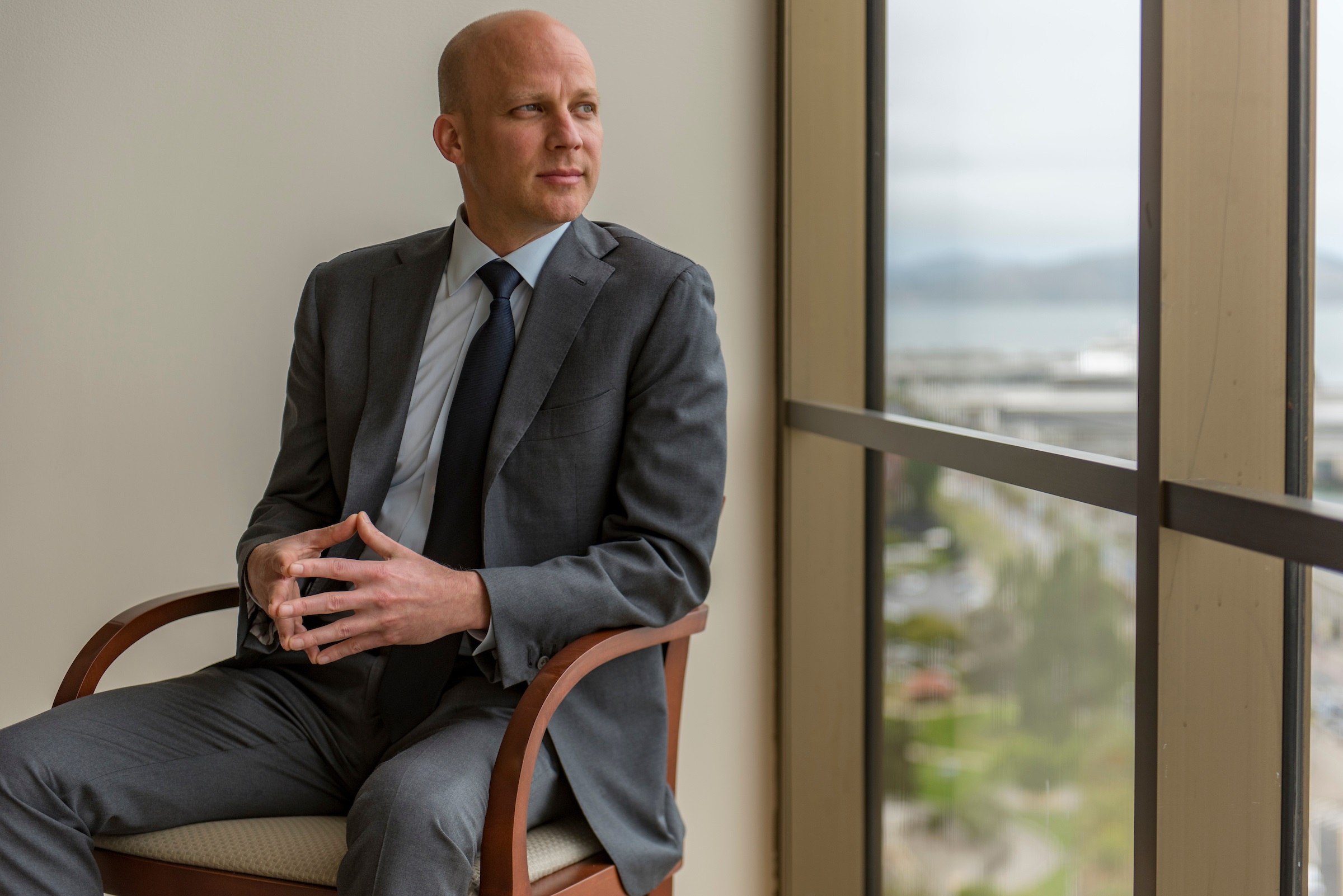
Matthew D. Gershuny is the Director of Research and lead Portfolio Manager of the Parnassus Mid Cap Fund at Parnassus Investments. He joined Parnassus Investments in 2006 after serving as a Parnassus research intern.
Before joining the firm, Mr. Gershuny was a Vice President of Equity Research at Cowen and Company — formerly SG Cowen Securities Corporation. Prior to that, he held various equity research and asset management positions at UBS Securities. Mr. Gershuny received his bachelor’s degree in philosophy from Cornell University and his master’s degree in business administration from the University of Michigan.
In this exclusive 3,252 word interview in the Wall Street Transcript, Mr. Gershuny details the unique perspective his firm brings to the stock picking process:
“…We are and have been — since 1984 — a responsible investment management company, which means that we strive for both principles and performance and fully integrate fundamental and ESG research into our process.”
The portfolio development process is long and detailed plunge into detail:
“We have a very deep process that we employ to get to that high-quality, high-conviction list of businesses. And we have an extensive protocol where we look at four main factors, which are relevancy, moat, management and ESG factors to determine quality. Then, we look at valuation in terms of a three-year IRR — internal rate of return — and consider the range of outcomes.
I should also mention that we have a long-term investment horizon. We plan to hold our investments for at least three years, and we think that gives us a good advantage in the market because many of our peers are holding stocks for a shorter amount of time. When you focus on high quality, it’s important to have a long-term investment horizon.”
One example is Xylem (NYSE:XYL):
“We also really like the pace of innovation and technology adoption that’s happening in the municipal water and wastewater vertical. Xylem has a great innovation strategy. In addition to that, they have a lot of competitive advantages because their scale as a pure-play water technology company is almost two times larger than the number two and three players in the space, which are Danaher (NYSE:DHR) and Siemens (OTCMKTS:SIEGY).”
Get more of the ESG specialist portfolio manager’s top picks for 2019 by reading the entire 3,252 word interview in the Wall Street Transcript.

Matt Schreiber is President and Chief Investment Strategist of WBI Investments, Inc. Mr. Schreiber is responsible for the day-to-day oversight of WBI’s business operations. As Chief Investment Strategist, Mr. Schreiber’s responsibilities include market and economic analysis, portfolio strategy, and product design and development.
Prior to assuming his current duties, Mr. Schreiber served as Vice President of Business Development and adviser to the investment committee from 2007 to 2012. Mr. Schreiber received a Bachelor of Arts degree in history and a Master of Education degree from the University of South Carolina.
In this exclusive 3,033 word interview in the Wall Street Transcript, Mr. Schreiber details his investing philosophy and creates a case for his current bias towards the dividend-paying stocks:
“When the markets are more favorable, we look to buy high-quality stocks that pay a dividend. Historically, about half of the return of markets, and what markets have given investors, comes from the dividend. So we think that’s a pretty sound investment strategy: buy low, sell high, collect the dividend and manage the risk to owning each position every single day. If we can limit losses to a reasonable level, then it can be easy to get back to even and make money again.”
The competitve nature of technology will limit gains in the near term, according to Matt Scheiber:
“Consumer staples have gotten beat up this year. People are going to have to eat if this market gets tougher. There are a number of consumer-staple-oriented names that could be very good. Certain aspects of technology will continue to do very well, but your headline movers are — it’s your Facebooks (NASDAQ:FB), your Amazons (NASDAQ:AMZN), Google (NASDAQ:GOOG) — all are going to face stiffer competition in the years to come. So the big tech craze may be over here, and you may see a rotation from growth to value, so again, I would look at names that pay a pretty juicy dividend.”
To get the rest of Matt Schreiber’s portfolio management advice, please check out the complete 3,033 word interview in the Wall Street Transcript.

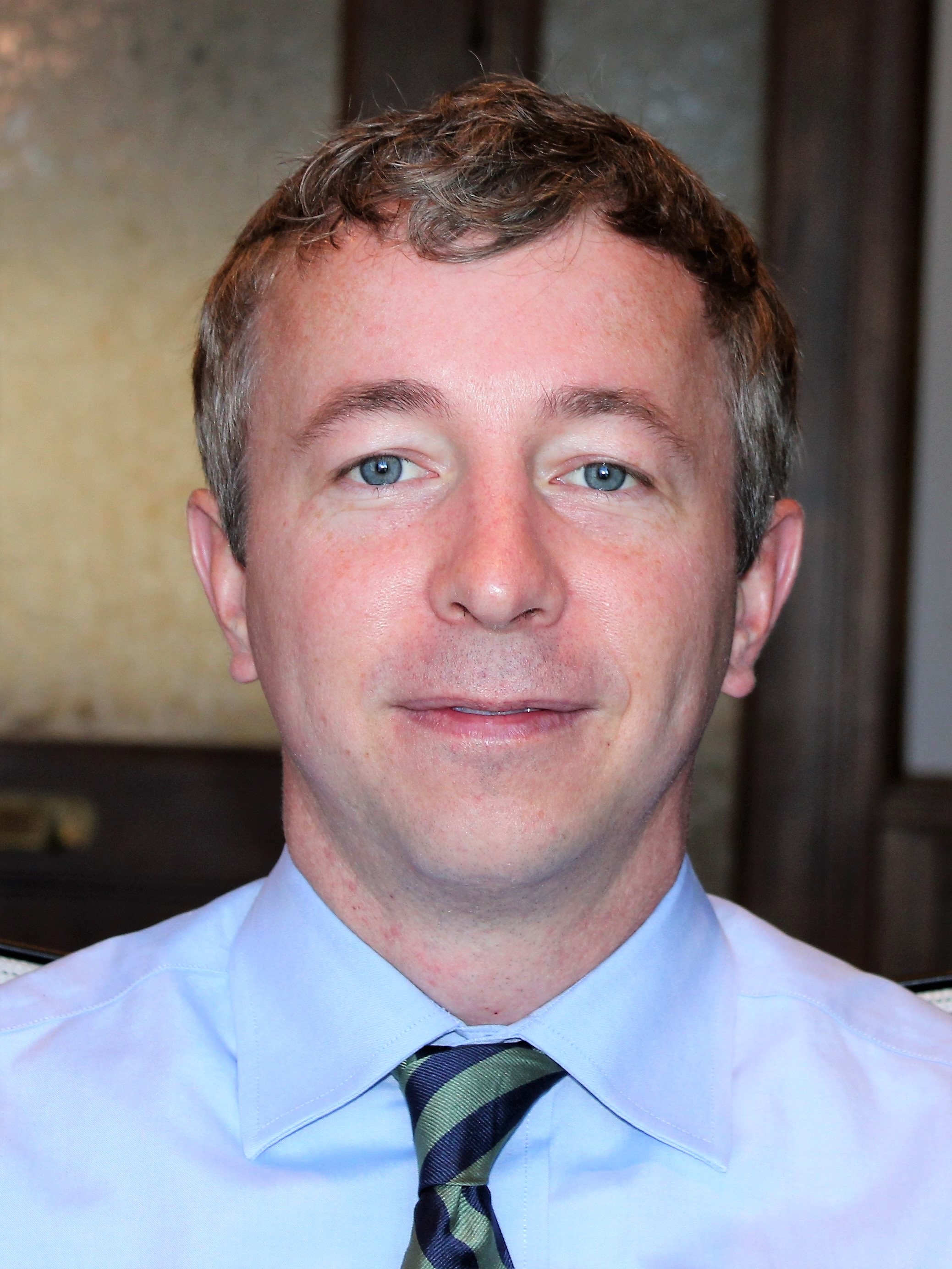
Benjamin Gardiner is a Research Analyst with a focus on the global health care sector at Grandeur Peak Global Advisors, LLC. He is also a member of the Global Opportunities team and helps lead Grandeur Peak’s efforts in Central Asia and the U.K.
Mr. Gardiner graduated from the University of Utah with a B.S. in mathematics. He officially joined Grandeur Peak in 2013 but had previously spent a number of years building financial models for his father, Robert Gardiner.
Stuart Rigby is a Portfolio Manager and Senior Research Analyst at Grandeur Peak Global Advisors, LLC. Mr. Rigby is a Portfolio Manager of the Grandeur Peak Global Reach Fund (MUTF:GPROX) and the Grandeur Peak Emerging Markets Opportunities Fund (MUTF:GPEOX).
He is also a Senior Research Analyst with a specialty focus on the technology sector globally. He is a key member of the team covering the United States, South Korea and India. Mr. Rigby joined Grandeur Peak in 2012 after receiving an MBA from Cornell University.
During his graduate program, Mr. Rigby interned at Epic Ventures. Prior to that, Mr. Rigby spent six years in the tech industry working for two venture-backed companies as a software developer and product manager. In this 3,849 word interview, exclusive to the Wall Street Transcript, these “go anywhere” portfolio managers detail their investing philosophy and top picks for 2019.
Benjamin Gardiner puts it this way:
“We invest from a fundamental bottom-up approach. So we go where the companies take us. We really don’t pride ourselves on making big macro calls or anything like that. Ultimately, we are just trying to find great companies that we can own. And then, I’d say, the last thing that is core to our investment philosophy is our long-term perspective. We are not looking for next year’s greatest trade. We are really just looking out five to 10 years to try to find great companies that can grow for a long time and be a lot bigger in a decade.”
One example of the result of this process is Dechra Pharmaceutical (LSE:DPH):
“This company sells pharmaceuticals to the animal health care industry. We think that is a pretty big theme to play with — the humanization of pets. We have seen consumers spending more on their pets every year, and we don’t really see that trend changing any time soon. We have known Dechra’s management team for a long time, and they have done a terrific job at executing on their strategy. The company has a strong competitive positioning based on a diversified portfolio of niche specialty products, and ultimately, we really like the business model because it generates strong cash flows and has proven to be quite stable over time.”
Get the rest of the top picks from this award winning portfolio management team by reading the complete 3,849 word interview only in the Wall Street Transcript.

Charles Lemonides, CFA, is Founder, Chief Investment Officer and Portfolio Manager at ValueWorks LLC. He leads investment research and portfolio management and has final authority for all investment decisions. He started his career at regional brokerage Gruntal & Co. in the firm’s research department in 1986 and covered risk arbitrage, the banking industry and special situations.
In this exclusive 4,260 word interview in the Wall Street Transcript, Mr. Lemonides details the careful value based orientation of his portfolio:
“ValueWorks is the business that derives from something I started as a unit of Gruntal & Co. 20-odd years ago. It’s a firm designed to bring a value investment discipline to the table, where everything we do is wrapped around the notion of finding a dollar’s worth of assets for $0.50 in the public markets.
We primarily work in the large-cap space in U.S. equities but will go anywhere in terms of market capitalization when the valuations are there and are attractive, and will sometimes go up and down the capital structure to capture the best risk/reward.”
Mr. Lemonides details this philosophy with this example:
“The acquisition was not loved by United Natural’s shareholder base. The stock went down significantly when the deal was announced. The stock went down significantly when the deal closed, and the stock went down significantly when the company came out and announced recent operating results and revised estimates going forward for the combined company, and management clearly has had some significant missteps in orchestrating this acquisition. The share price has gone down from $45 back in July to $10 today.
Today, it’s a $500 million equity cap. On a combined basis, these two companies are going to do $20 billion worth of sales and have roughly $650 million to $700 million worth of EBITDA. Again, the equity cap is now $500 million. The debt load on the company is $3 billion. It’s in two layers of bank debt, on $700 million or $650 million worth of cash flow basis, that should be easily sustainable.
Obviously, that debt was put in place very, very recently. So it’s hard to see how anyone is uncomfortable with that bank debt at this point in time. At an overall valuation, debt plus equity cap of something like $3.5 billion, you’re buying this company at a lower multiple of cash flow than seems sustainable to me. The upside is clearly potentially two to four times your money on the common stock.”
Get all the portfolio picks from this professional money manager in his 4,260 word interview in the Wall Street Transcript.
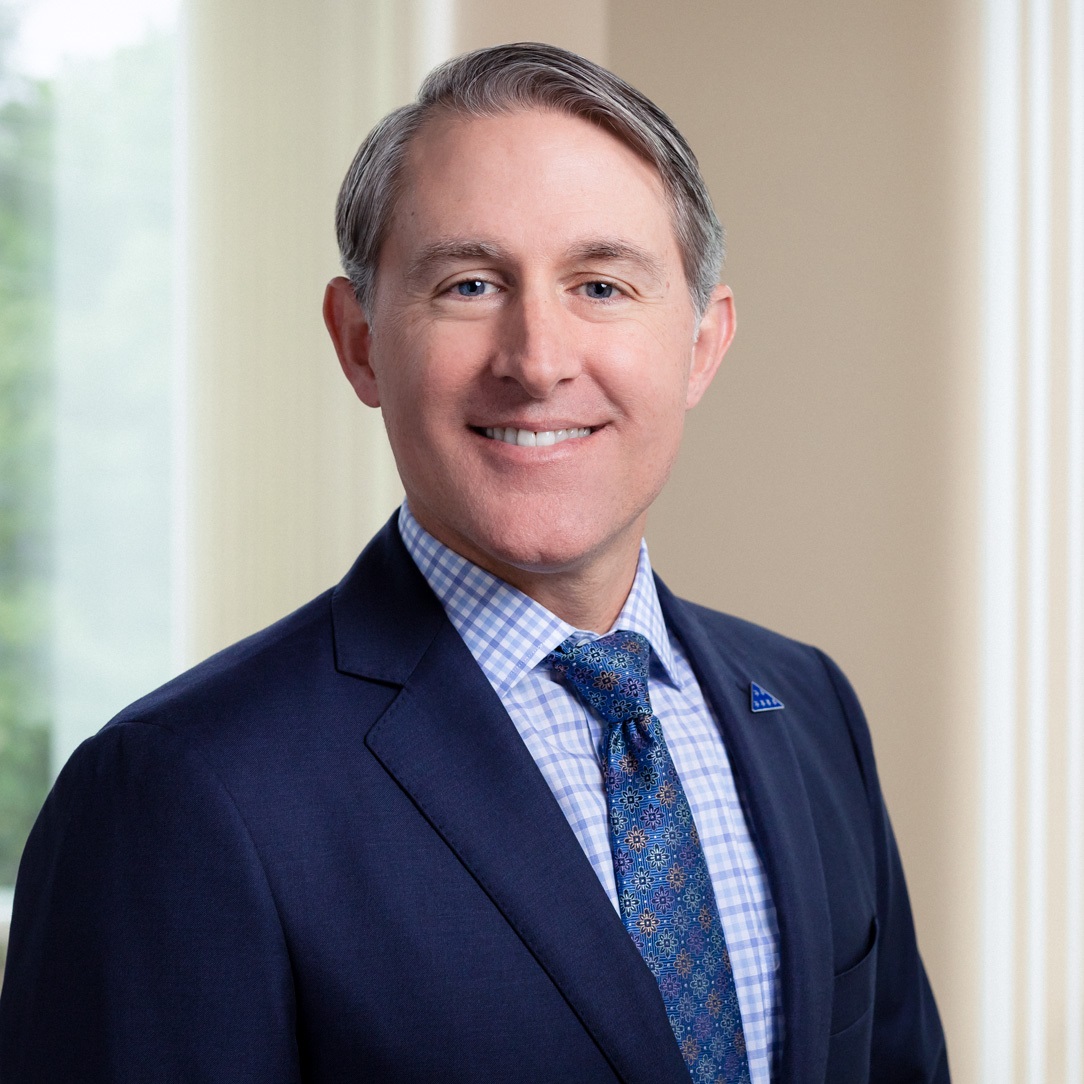
Toby Loftin, Portfolio Manager and Managing Principal, founded BP Capital Fund Advisors, LLC in June 2013. Mr. Loftin joined BP Capital LP in 2010 and served as a member of the investment committee of the private hedge fund.
Mr. Loftin is a Portfolio Manager and Managing Principal of BP Capital Fund Advisors, LLC, which serves as the subadviser to the Hennessy BP Energy and Hennessy BP Midstream Funds. Prior to that he managed the firm’s energy infrastructure MLP investments.
Earlier, Mr. Loftin was a partner of SteelPath Fund Advisors and SteelPath Capital Management — formerly Alerian. He also served as Director of Institutional Equity Research Sales with Royal Bank of Canada Capital Markets, where he focused on the energy sector and the MLP asset class. He earned a Bachelor of Science degree from the U.S. Air Force Academy and a Master of Science in finance from the University of Texas at San Antonio.
In this exclusive 3,159 word interview in the Wall Street Transcript, Mr. Loftin outlines the portfolio strategy for investing the expanding US energy market.
“One was called the TwinLine Energy strategy, and the other was TwinLine MLP strategy. And TwinLine was just a play on words, because in the pipeline business when you lay a pipe alongside an existing pipe, that is called twinning pipe. And so we were twinning the legacy of Boone Pickens and BP Capital through the establishment of these strategies. The MLP fund is focused on the midstream portion of the energy value chain. So we are approaching the end of the fifth year of operating the strategies.”
An example of the T. Boone Pickens strategy of buying deep value energy stocks is Diamondback Energy (NASDAQ:FANG):
“Well, the way to look at it is, I have a producer who is in, say, the Williston Basin, in the Bakken or even in the Powder River Basin or even the Eagle Ford. In those plays, there are typically one or two layers under the surface from which oil and gas can be extracted, known as pay zones, but in the Permian, there’s four, possibly five different pay zones from which they can achieve production.
Diamondback is squarely fitted right into the Midland Basin within the broader Permian Basin. Their opportunity set to create value and grow despite the fact that oil prices are challenging is what’s appealing to us. It has a lot to do with having higher-quality acreage that will yield more oil and gas and a high-quality management team.”
Get all the details on this energy stock portfolio by reading the entire 3,159 word interview in the Wall Street Transcript.

Gregory L. Waters joined Integrated Device Technology Inc. in January 2014 as President, CEO and a member of the board of directors. Prior to IDT, he served from 2003 to 2012 as Executive Vice President and General Manager for Skyworks Solutions, where he led the company’s wireless businesses to a decisive industry leadership position.
Before Skyworks, he held several executive business unit positions at Agere Systems, where his responsibilities included M&A and I.P. licensing, and where he played a key role in the company’s successful IPO. Mr. Waters began his career at Texas Instruments, serving in a variety of management positions in sales, customer design centers and business unit management. Mr. Waters believes the semiconductor industry’s future will be led by companies that develop innovative system-level solutions that are delivered as semiconductors.
In 2018, soon after this interview, Integrated Device Technology announced an acquisition by a Japanese company. The details of this successful company strategy by CEO Greg Waters are laid out in the 2,419 word interview in the Best CEO Interviews Report at the Wall Street Transcript.
“The first end market would be cloud and enterprise data center, which is our largest market segment at 40% of revenues for fiscal 2018. We benefit from trends such as artificial intelligence, Big Data analysis, image and video processing, and speech recognition, which are all memory-intensive applications.
We play a crucial role with our high-speed memory interface platforms that sit between the processor and the memory system and enable high-speed, real-time transfer of data. We are specialists in these devices that move data quickly.
A second end market for us would be automotive and industrial. That is one of the areas that we get significant leverage out of our advanced sensor products. The automotive/industrial segment is about 12% of revenues now and growing very fast, about 10% to 20% per year.
Communications infrastructure equipment accounts for about 30% of our business. We have new products in our communications infrastructure business that allow us to gain market share and outperform a challenging macro environment. Finally, consumer products are about 18% of our revenues. The flagship product driving growth in our consumer segment is wireless power devices.”
Get the rest of the detail on the strategy that led this company to one of the most successful returns for investors in 2018 by reading the entire 2,419 word interview in the Best CEO Interviews Report at the Wall Street Transcript.