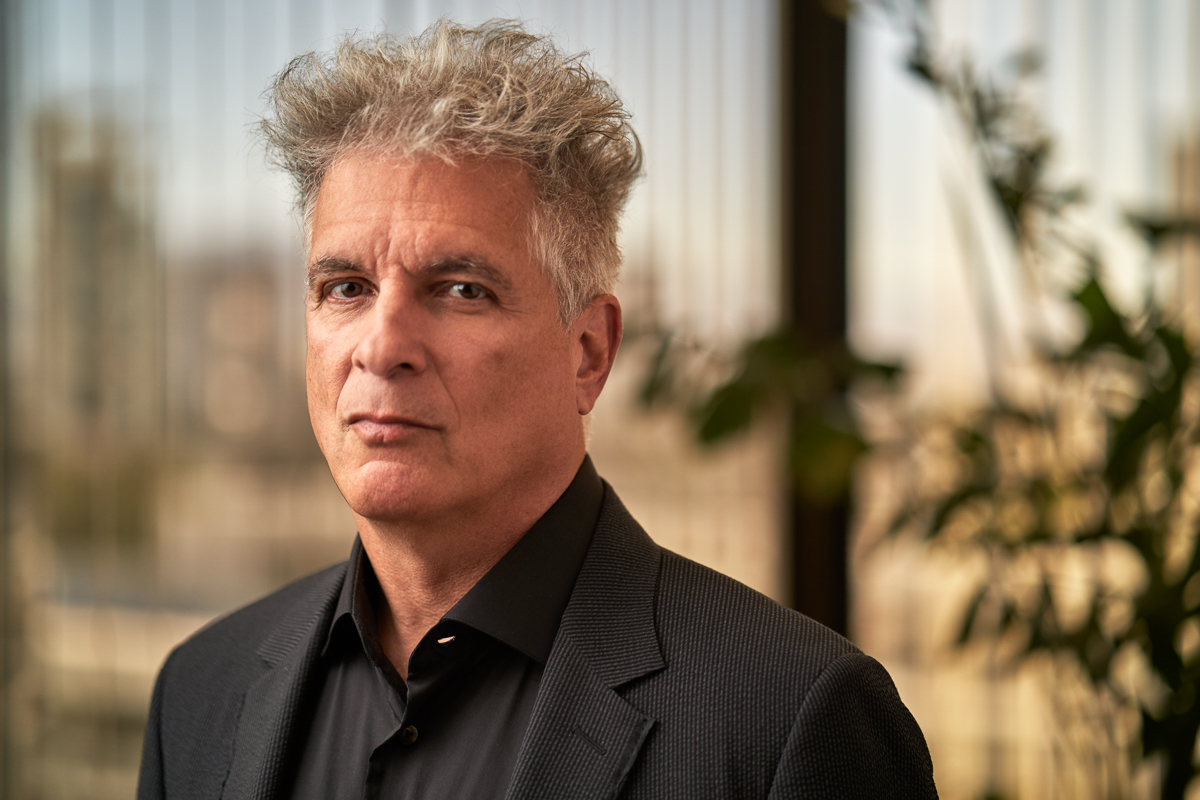
Rick Matros has served as Sabra Health Care REIT, Inc.’s Chairman of the board, President and Chief Executive Officer since its inception in 2010. He was Chairman and CEO of Sun Healthcare Group, Inc., from 2001 until the transaction that created Sabra in 2010. Mr. Matros founded and served as CEO and President of Bright Now! Dental from 1998 to 2000, remaining a director through its subsequent sale in 2010. In addition, Mr. Matros was a Principal and Partner of CareMeridian, LLC, a company specializing in traumatic brain injuries, from 1998 until the sale of its operations in 2006.
In this 3,753 word exclusive interview, the CEO of Sabra, Rick Matros, describes his strategy and detailed vision in the Wall Street Transcript.
“And so while we’re always looking at companies to partner with and ways to grow, things really came together for us last year. CCP was a REIT that had been spun out of Ventas about a year and a half earlier, and they were open to the idea of merging with us. So we were able to get that merger accomplished in the summer of 2017 and very quickly followed that with a large senior housing investment and a large skilled nursing investment, which further diversified the company.”
The various healthcare categories are all represented in the real estate mix for Sabra and Rick Matros details all of them:
“I think, like some of our peers on the skilled nursing side, that things are, if not bottomed out, pretty close to bottoming out. We saw a lot more stability with tenants in the first quarter, and I think that you’ll see the stability continue to improve with senior housing as well over the next couple of quarters. And certainly, on the skilled nursing side, we expect to start seeing an upturn in performance next year. Senior housing has had some oversupply issues, so it may be another year, maybe call it 2020, before you really see senior housing upturning, but it’s already in pretty good shape to begin with, so it’s not like it fell down that far.”
Read the entire interview in the Wall Street Transcript to get the complete picture.
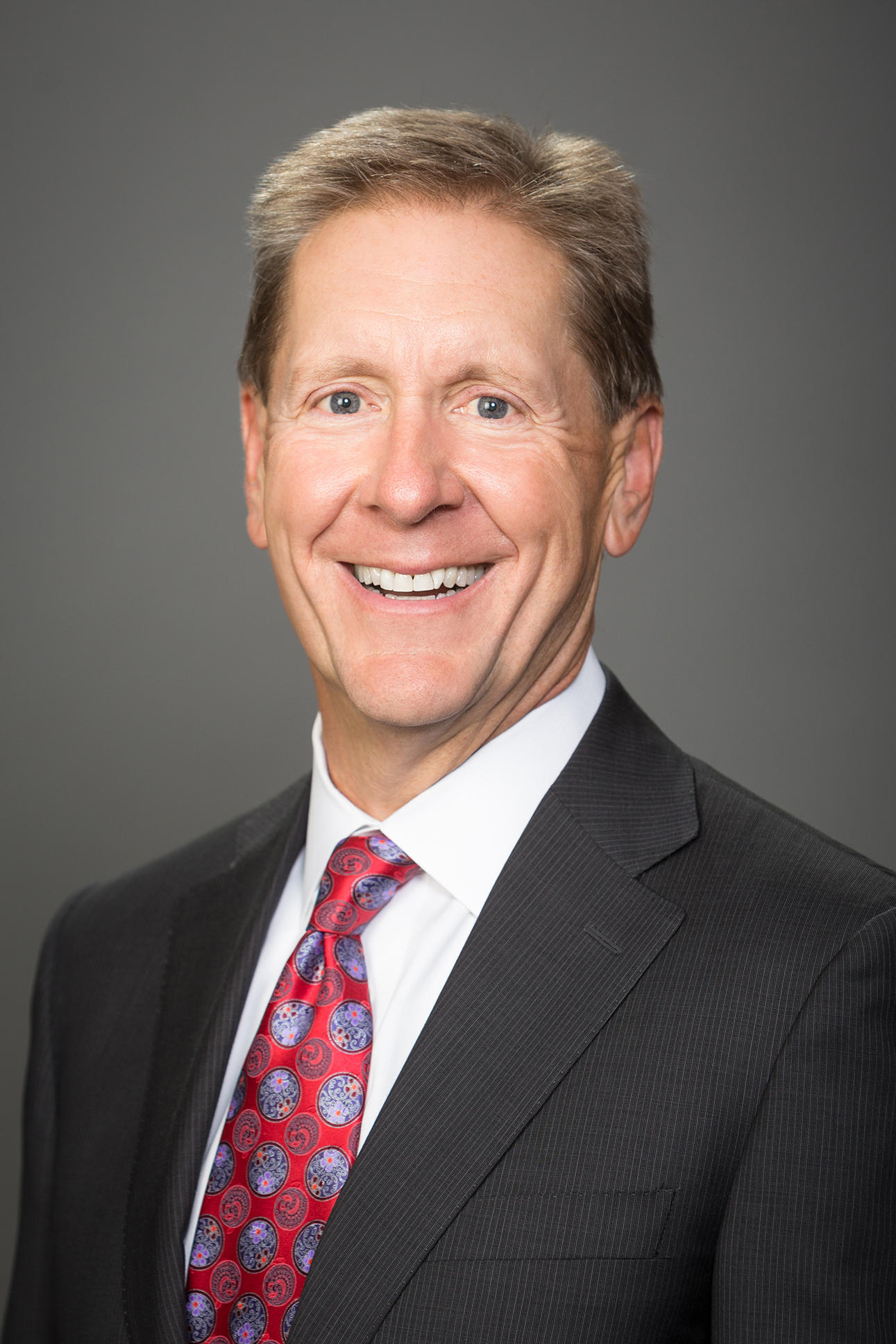
Julian E. Whitehurst, age 59, has served as Chief Executive Officer of National Retail Properties, Inc., since April 2017 and as President of the company since May 2006. Previously, Mr. Whitehurst served as Chief Operating Officer of the company from June 2004 to April 2017 and as General Counsel of the company from 2003 to 2004. Prior to 2003, Mr. Whitehurst was a shareholder at the law firm of Lowndes, Drosdick, Doster, Kantor & Reed, P.A. He has been a member of the board of directors of InvenTrust Properties, Inc., since 2016. Mr. Whitehurst is also a member of ICSC and NAREIT and serves on the board of trustees and on the executive committee of Lake Highland Preparatory School.
In his exclusive 2,170 word interview in the Wall Street Transcript, Julian Whitehurst details the business strategy that drives his company.
“In July, we announced a dividend increase which will be our 29th consecutive year of raising the dividend. That’s a significant hallmark for National Retail Properties among retail investors, and it places us in very elite company. There are less than 90 public companies in the United States that have our track record of raising the dividend annually, and there are only two other REITs that have the same track record. Our business plan creates tremendous shareholder value by consistently growing FFO per share and consistently raising the dividend, and my focus is to continue to maintain that long track record.”
Julian Whitehurst details the tactics of buying low and selling high in retail real estate:
“Our largest category is convenience stores, and we have built relationships with some very good regional and national convenience store operators and do a great deal of repeat business with them. I’ll tell you the story about our largest tenant, 7-Eleven, a multinational convenience store operator. We own about 140 7-Eleven stores that comprise about 5.5% of our total rent. 7-Eleven is an investment-grade credit, and their stores are highly sought after. We have done no business directly with 7-Eleven; our stores were acquired from regional operators in the Southwest and the Southeast and the Mid-Atlantic who were large, well-run regional operations that we identified as growth companies.”
Find out the complete story by reading the entire interview in the Wall Street Transcript.

Jeffrey E. Witherell is the Chief Executive Officer and Chairman of the board of Plymouth Industrial REIT, Inc., and has held these positions since the formation of the company. Mr. Witherell has been involved in real estate investment, development and banking activities for more than 25 years. From April 2008 through 2011, he was engaged in the formation and operation of Plymouth Group Real Estate and Plymouth Real Estate Capital LLC, a FINRA-registered broker/dealer. Prior to that, from April 2000 to March 2008, Mr. Witherell was employed as an investment executive with Franklin Street Properties Corp. and its subsidiary, FSP Investments LLC. Previously, he was affiliated with IndyMac Bank, where he was responsible for closed loan acquisitions, from 1999 to 2000; served as COO for real estate investment firm GAP LP from 1996 to 1999; and founded and served as President of real estate development firm Devonshire Development, Inc., from 1994 to 1996.
In this exclusive 2,682 word interview, Jeffrey Witherell details the strategy for his company and the real estate market in general.
“We have gone into markets where we think we can add value, and by definition, that has pushed us toward major markets like Chicago, which is a large industrial market and a distribution market. We have a concentration in Columbus, a very big concentration in Ohio. We have some properties in Indiana, we have properties in Atlanta, and we have several in Memphis as well. We don’t want to pigeonhole ourselves and say it’s just class B properties; we own some class A, but it’s primarily class B industrial assets.”
The industrial real estate sector has a definite type of superior investment:
“Warehouse is the general flavor, but we do like and we have a preference for properties where people actually work in our buildings, where they assemble things or they make things. These tenants tend to have significant bolt-down costs with their heavy machinery and equipment, meaning they don’t willingly relocate when their lease is up for renewal, as opposed to a building that uses mainly robots and shelving that can pick up and move relatively easy.”
Get the complete details on the markets and types of deals that Plymouth Industrial REIT is closing by reading the entire interview in the Wall Street Transcript.
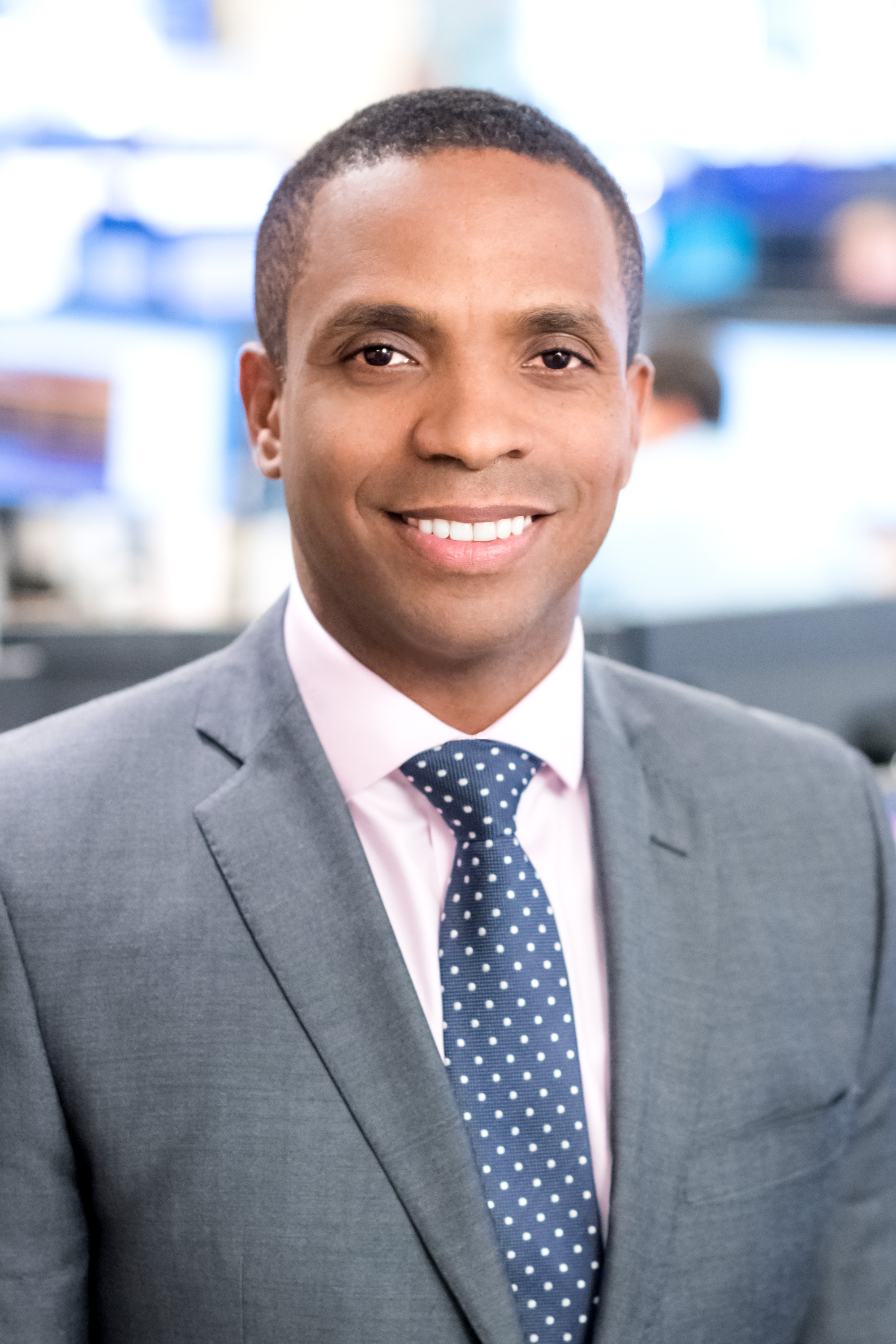
Haendel St. Juste is Managing Director and Senior REITs Analyst at Mizuho Securities USA LLC. He joined Mizuho in early 2016, having spent the previous 15 years on Wall Street, with platforms including Morgan Stanley, UBS and Green Street, focused exclusively on the REIT sector. Mr. St. Juste’s coverage at Mizuho includes retail, triple net and single-family REITs and the homebuilders. In the exclusive 2,350 word interview in the Wall Street Transcript, Haendel St. Juste gives some specific real estate investment recommendations.
“On the REIT side, there tends to historically be some underperformance during the early stages of rate increases, but when you step back and understand the reasons behind the rate increases — the economy is doing well, there is some inflation, credit availability is expanding, wages are going up, people are feeling good — well, that certainly bodes well for real estate.”
The rebound in REITs has been pronounced:
“I think that early concerns about rates moving materially this year have been taken off the table, and now that we are in what seems to be a more benign environment, we’ve seen a bit of a rally here in the REITs. The REITs are up 15% from their February 15th lows. Now, they’re still trailing the S&P but not by much, not by as much.”
Retail oriented REITs may have avoided complete disaster and some specific names offer opportunity according to Mr. St. Juste:
“I think in retail, certainly, there’s a sense that we could be seeing some stabilization. Last year, there was a pervasive sense of fear the retail world was falling apart. E-commerce is gaining so much share, forcing retailers to their knees and landlords having to close stores and occupancies being impacted; there was a pervasive sense of fear that things could get a lot worse in the new retail paradigm. Well, that seems to have leveled off a bit. Certainly, I think companies are understanding that to be successful in the modern retail era it’s important to, yes, have a web or internet presence, an e-commerce presence, but also having a full complementary omnichannel strategy, clicks-and-bricks plus brick-and-mortar, web plus store base. So the value of well-located real estate has become more appreciated, and we’ve seen some sense of stabilization.”
To get the specific stock and REIT recommendations read the entire 2,350 word interview in the Wall Street Transcript.
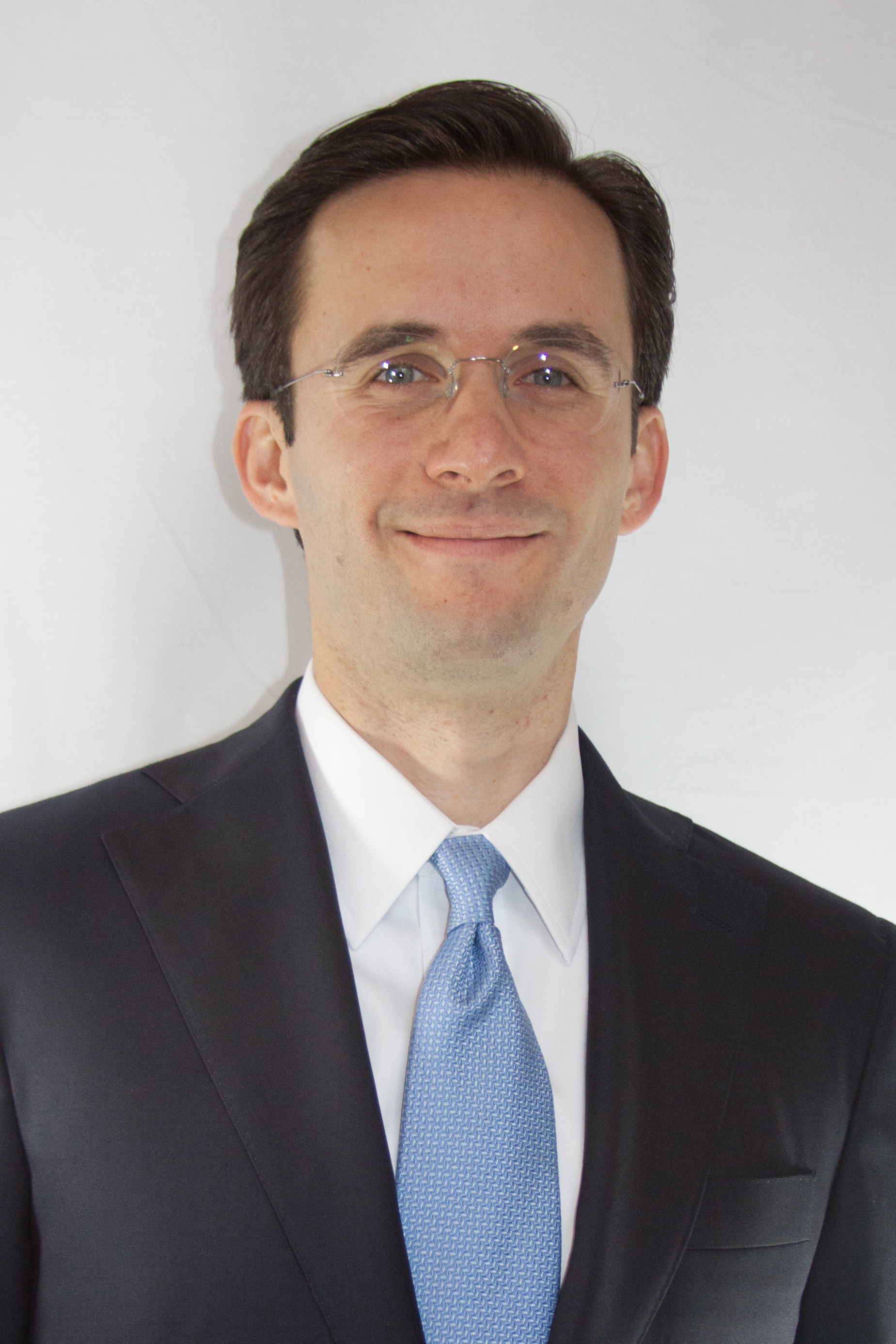
Brian D. Milligan, CFA, is Vice President and Portfolio Manager of Ave Maria Mutual Funds. Mr. Milligan is Lead Portfolio Manager of the Ave Maria Growth Fund. He is also a research analyst responsible for equity research functions for the firm with a focus on growth companies. Prior to joining the firm in 2014, Mr. Milligan was an analyst with Standard & Poor’s. Mr. Milligan has a Bachelor of Science degree from Trine University and graduated magna cum laude from the University of Notre Dame with a Master of Business Administration degree. In this 2,926 word article, Mr. Milligan outlines how he finds and buys securities deemed appropriate for religious based investors.
“The Ave Maria Mutual Funds were launched in May of 2001 with one fund. We now have five different funds: three domestic equity, one global equity and one bond fund. The largest is the Ave Maria Rising Dividend Fund (MUTF:AVEDX). The others are the Ave Maria Growth Fund, Ave Maria Value Fund, Ave Maria World Equity Fund and the Ave Maria Bond Fund. All Ave Maria Mutual Funds invest in companies that do not violate the core values and teachings of the Catholic Church. The Catholic Advisory Board set the moral criteria for the screens.”
The fund works closely with the Catholic Advisory Board to insure that no offenders receive an investment:
“It has to do with our investment philosophy. I can elaborate a little bit on how we are structured. We have a team of investment professionals and a separate Catholic Advisory Board — CAB — who advise us on those Church-related issues. So we are investors first, but we’re following the moral guidelines established by the CAB. We are doing all of the things that any professional investor would do, but we have a list of companies from the screens set by our advisory board that are out of bounds. We call them offenders.”
To get complete detail and some of the top picks in the Ave Maria fund, read the entire 2,926 word interview in the Wall Street Transcipt.
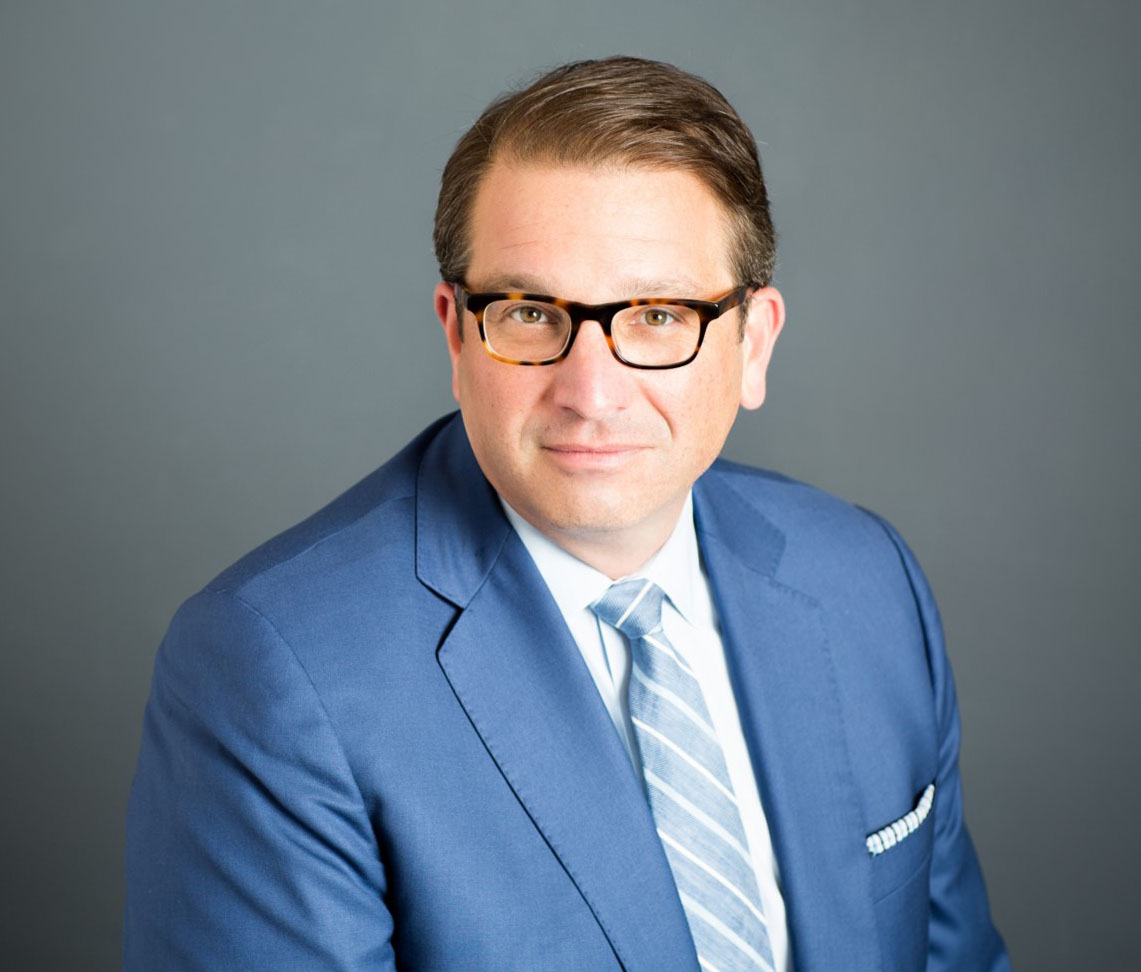
Brian Kelly is Founder and CEO of BKCM, LLC and Portfolio Manager of REX Shares BKC Blockchain ETF. Mr. Kelly is an investor, author and financial markets commentator. He has over 20 years of institutional investing experience in global financial markets and macroeconomics, and over five years of experience in digital currencies. Mr. Kelly is the author of the book The Bitcoin Big Bang: How Alternative Currencies are About to Change the World. In this 3,009 word interview, Mr. Kelly gives his detailed operating results from starting and launching his Blockchain ETF onto the public markets.
“BKCM is a cryptocurrency money management firm. We manage a cryptocurrency hedge fund. We also manage the REX Shares BKC ETF, which is an ETF of global equities that are getting revenues or devoting substantial resources to blockchain and cryptocurrency.”
The ETF trades in the United States with all the protections and regulations of the SEC but has much of its exposure to the global blockchain economy:
“There is a big East/West divide in blockchain technology. A lot of the adoption is happening in Asia, while a lot of the development is happening in the West, at least in the U.S. So our tilt toward Asia really reflects that East/West divide. What we are looking to do is to invest in companies that are actually deploying this technology, supporting the ecosystem and supporting adoption, and those tend to be the Asian companies. Japan, for example, is the largest bitcoin trading country in the world. It typically trades 40% to 50% of the daily volume of bitcoin on a regular basis. The tilt toward Asia reflects that reality.”
The valuation of the ETF is entirely dependent on the continued growth of blockchain technology:
“The biggest thing is that people get so focused on the price of cryptocurrencies that they miss the fundamental technology behind this. This is ultimately the internet of money. So we have kind of had three variations of the internet: the internet of information, which is the internet that we know that really caught fire in the 1990s; then the internet of things, which is how machines interact with each other; and now the internet of money. In my view, this last one is going to have a similar, if not a bigger, impact on the world than we saw with internet of information. You are able to have access to money and move it around like you have never seen before.”
Read the complete detailed interview in the Wall Street Transcript.
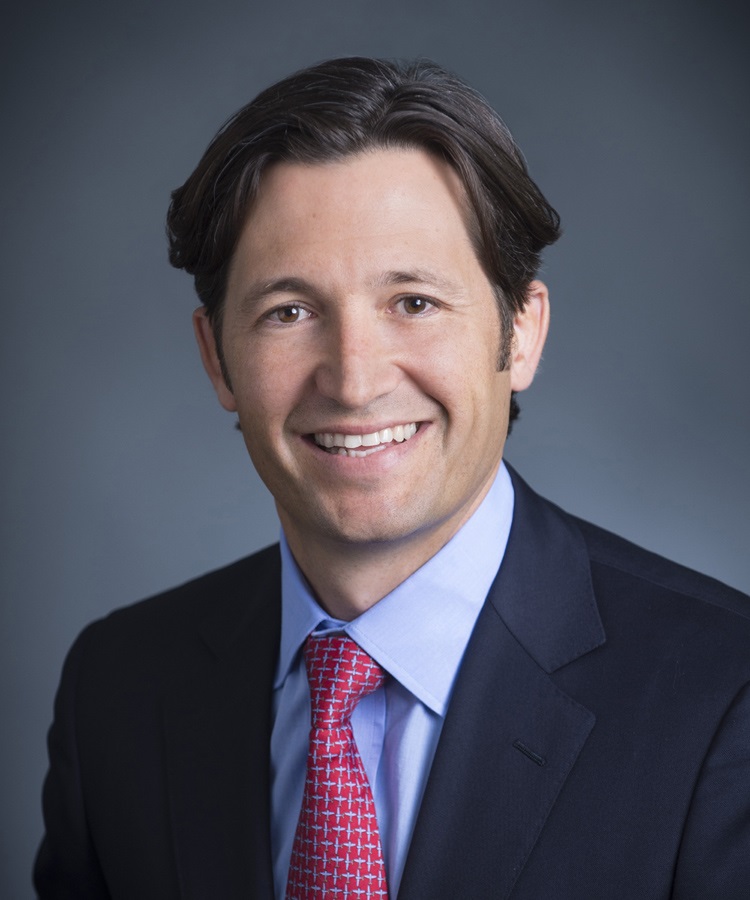
Derek S. Johnston, CFA, is Portfolio Manager and Research Analyst at Conestoga Capital Advisors, LLC. He joined the firm in May 2015 and became Co-Portfolio Manager for the firm’s SMid Cap Growth strategy on February 1, 2016. He also provides equity research across the small- to mid-cap universe. He has 20 years of experience in the financial investment industry. Prior to joining Conestoga, Mr. Johnston worked as a co-portfolio manager for small- and smid-cap portfolios at 300 North Capital, LLC, located in Pasadena, California, from 2007 to 2015. He also was an equity research analyst for small-cap equities at Engemann Asset Management for two years and an equity research associate at Banc of America Securities for three years.
In this 4,499 word interview, Mr. Johnston gives some great advice for investing in the current market.
“One of our top holdings is a company called CoStar Group (NASDAQ:CSGP), and we have a long history with this…They have a huge competitive moat with 90%-plus renewals, they have very strong pricing power because it has such great data, it has 30%-plus EBITDA margins, and they generate a ton of cash. They have about $1 billion in cash on the balance sheet, no debt and a $15 billion market cap. And why we like this now is it’s coming off a multiyear investment cycle where they invested in different parts of the business. They also made several strategic acquisitions, like the multifamily side of the business I mentioned earlier.”
The small and mid cap names that Derek Johnston finds are some hidden gems: “…Another name that fits is a company called Neogen (NASDAQ:NEOG), and Neogen is in the health care sector, and we’ve owned this since 2007 in our Small Cap strategy, and we’ve owned it since our SMid Cap’s inception. Neogen is based in Lansing, Michigan. It started in 1982 with funding from the Michigan State University Foundation, and what they do is they provide a broad line of food and animal safety solutions, which include things like diagnostic kits, vaccines, cleaning agents, veterinary instruments — a number of those types of products.”
To get the detail on CoStar and Neogen investments, and recommendations on many more, read the entire interview at the Wall Street Transcript.
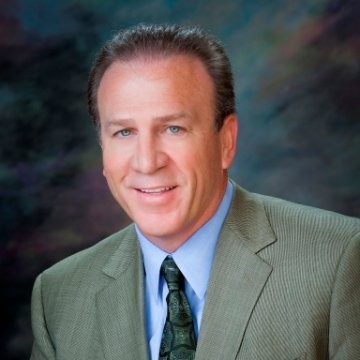
Kevin R. Miller is CEO of Systelligence, LLC and Portfolio Manager of The E-Valuator Risk Managed Strategy Funds. Mr. Miller is responsible for the investment oversight of the six E-Valuator Risk Managed Strategy — RMS — mutual funds. His career in the securities industry began in 1986 as a registered representative assisting individual clients and qualified plans with the proper asset selection and allocation. In 1997, he launched an open architecture platform of investments so his clients could have access to some of the best investments in the industry. In 2007, Mr. Miller wrote and programmed The E-Valuator investment analytical software. The software proved to be a game changer for his clients, which drove him to create a software company, The E-Valuator, LLC, in 2013. This software is the driving force behind the investment analytics involved with The E-Valuator Risk Managed Strategy Funds. Today, The E-Valuator investment analytical software is also sold as a planning tool to advisers throughout the United States. In February 2012, Mr. Miller launched The E-Valuator Risk Managed Strategy collective trust funds.
In this exclusive 1,523 word interview with the Wall Street Transcript, Kevin Miller explains how this investment analytical software works and performs.
“The E-Valuator maintains four major components. One, it documents and identifies what is acceptable performance, by that we mean how far above average must an investment perform in order to be considered acceptable. The second thing is it measures how far below average we tolerate lagging performance until replacement is warranted. The third component pertains to the amount of time we allow an investment to recover from its lagging before replacement. We call this duration tolerance. The fourth component involves the time frames we apply the aforementioned settings against…Our application downloads performance data every night from Morningstar on over 34,000 investments
Systelligence and its investing software system has been developed over a number of years and has now reached a new level: “We use institutional shares of mutual funds and exchange-traded funds as underlying investments inside each of our funds. The only thing that changed when we transitioned from collective funds to open-end mutual funds is the custodian. We were using TD Ameritrade as the custodian for the collective funds but transitioned to using Fifth Third Bank out of Cincinnati as the custodian for the open-end mutual funds.”
Get the complete 1,523 word interview with Kevin R. Miller, CEO of Systelligence and Portfolio Manager, at the Wall Street Transcript.
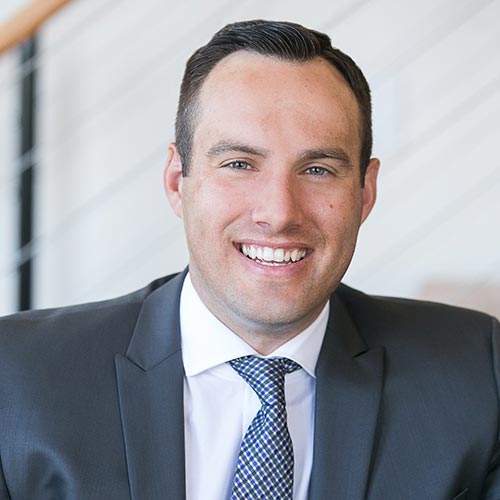
Get complete detail on developing a high return, zero capital gain tax with a real estate portfolio in this exclusive 3,654 word interview with Derek Uldricks, President of Virtua Capital Management, in the Wall Street Transcript.
According to Derek Uldricks: “Virtua Partners is a private equity real estate firm with offices located in Phoenix, Arizona; Newport Beach, California; and San Diego, California as well as Hong Kong. We currently manage nine investments funds. We have several other separate accounts that we manage including about 50 projects total.”
The current Virtua Partners business is thriving: “We have about 16 million square feet of assets under management, or about $500 million in total assets right now, and we are actually in the process of completing a transaction that will bring our AUM to about $2.5 billion in total. We are an emerging manager with collective assignments of about $5 billion during this cycle. We have grown and have some assets that are being sold off. There are about 35 total investment professionals at Virtua Partners currently.”
The new tax law has created some real opportunities for investors: “…Part of our strategy on the aggressive growth side is to invest in some of these horizontal development deals. These can be outsized returns if you can get it right. We actually have examples of achieving in excess of 200% rates of return on some of these horizontal deals, which are phenomenal returns. We implement part of that into our aggressive growth fund and include some of the vertical development.”
Working with local government zoning boards can add real value to Virtua Partners investments: “In real estate development deals a lot of the value that is added is done during the entitlement stage, and that is where we have our expertise. The typical value-add in a horizontal development deal or an entitlement play is, for example, is rezoning of land. Typically, this property is in an infill development location surrounded by retail or a multifamily or whatever the asset class is. We will buy it with the current entitlements, and then we will go into the city and say, OK city, here is what we want to do and here is our plan moving forward with some different uses. We may want to do single-family residential on the site or do retail or commercial. We will go into the city and work with them to secure new entitlements and new zoning. That requires a huge amount of expertise.”
The President of Virtua Capital explains how the new tax law from the Trump Administration has created a method for paying no capital gains taxes:
“TWST: What does it mean that you have opportunity zones? What exactly is that, and how does that relate to the other investments you have?
Mr. Uldricks: The opportunity zones are a new phenomenon. They were created out of the recent Tax Reform Act. What the legislation provides for is the designation of opportunity zones in every state. The governors of each state have the ability to nominate these zones. They have all been approved by the Treasury, which was one of the requirements of the program.
So what is the big deal? Why are these so important? These are important because opportunity zones offer a huge tax benefit to investors. What the legislation allows for is for investors to take capital gains from any investment — so you can sell stock, you can sell your dog, you can sell a piece of artwork, make $1 million in capital gains — and invest in an opportunity zone. The benefit to the investor is that you get a 10-year tax deferral on the amount of gain that you deferred, so for 10 years you can kick the can down the road. You get a free loan from the government for the capital gains tax that you would have otherwise paid.
The benefits don’t stop there though. If you make an investment into an opportunity zone for at least five years, you get a 10% step-up in basis on the original gain that you deferred. Basically, you pay 10% less in taxes on the original amount that you deferred. If you hold on to it for seven years, it steps up to 15%, so you get a 15% break on your taxes that you deferred.
The big kicker here, and probably the biggest and most interesting part of this legislation, is that as long as you hold on to your investment in the opportunity fund for 10 years, any gains you make on this investment are tax-free. You pay zero taxes on any gains you make by investing in an opportunity zone as long as you hold on to it for 10 years. So if you have $1 million in capital gains and you say, instead of paying the $240,000 or whatever your capital gains tax would be, I’m going to take that $1 million and invest it into an opportunity fund or an opportunity zone investment. You don’t pay the $240,000 in capital gains tax, you get a step-up in that tax you deferred after five years, a bigger step-up at seven, and say your investment appreciates by $1 million Well, that $1 million of fresh gain that you have made, you pay zero capital gains tax on the appreciated amount assuming you hold on to it for 10 years.
This to us is an amazing place to go, especially if you have a lot of capital gains or if you were concentrated in a few different names. If you can diversify by investing in an opportunity zone fund, which we sponsor, it can be invested in a lot of different properties in opportunity zones. You get that amazing tax deferral and tax benefit on the gains. This is the opposite of what happened in the 1986 tax reform when many of the tax benefits for real estate investors went away.
We have already launched a $200 million fund, targeting investments in these different opportunity zones. The feedback we have gotten from investors has been phenomenal. People are finding out about this, and we have all kinds of investors from mom-and-pop retail investors that want to invest $25,000, $50,000, up to large institutional money managers who have hundreds of millions of dollars in gains. They are looking at investing into some of these opportunity zones because the tax benefits are so great.”
Get the complete detail on these new developments by reading the entire 3,654 word interview with Derek Uldricks, President of Virtua Capital Management, in the Wall Street Transcript.

Ryan Rhodes is President and Chief Executive Officer of Restoration Robotics, Inc. Mr. Rhodes joined Restoration Robotics in July 2016. He brings over 25 years’ experience in marketing, sales and leadership in the medical device industry. Prior to joining Restoration Robotics, he spent over 13 years at Intuitive Surgical Inc., the market leader in surgical robotics. While at Intuitive, he held several positions of increasing responsibility, including Vice President of World-Wide Clinical Marketing, Senior Director of World-Wide Marketing and Director of Marketing. Mr. Rhodes was a key architect of the company’s procedure market focus and development efforts, including the successful launch of the global Urology franchise.
Mark Hair has served as Chief Financial Officer of Restoration Robotics, Inc., since January 2018 and brings with him over 20 years of financial leadership experience. Prior to joining Restoration Robotics, he served in other management roles at medical device companies, including Vice President and Chief Accounting Officer at ZELTIQ Aesthetics, Vice President of Finance at Accuray Inc. and Vice President, Corporate Controller at Thoratec Corporation.
Lisa Markle is Director of Marketing for Restoration Robotics, Inc. Prior to being the Director of Marketing for Restoration Robotics, Ms. Markle was the Group Marketing Manager and, before that, the company’s Senior Product Marketing Manager.
In this exclusive 2,085 word interview with the Wall Street Transcript, these three experienced medical device executives detail the upside for Restoration Robotics.
“…We offer the only robotic technology currently available in the hair restoration market. We are the first and only physician-assisted robotic system that can identify, analyze and dissect hair follicles directly from the scalp and then create recipient sites for implanting the dissected follicles. Uniquely, the ARTAS Robotic Hair Restoration System is a technology that incorporates machine vision, machine learning and artificial intelligence. This technology allows for the dissection of donor hair follicles from the scalp and facilitates the implantation of those follicles in the desired area, typically in the frontal area of the scalp.”
To get the complete detailed go-to-market strategy for this robotic cure for baldness surgical system, read the entire interview at the Wall Street Transcript.