
James Morton is Chief Investment Officer and a Portfolio Manager at Santa Lucia Asset Management Ltd. He has extensive expertise in recovering and small-cap companies as well as emerging markets.
Mr. Morton’s career in the investment industry began in 1985, and he was a subadviser to Mackenzie Cundill between 1996 and 2018. He is an accomplished author, editor and investment columnist.
Mr. Morton holds a degree in law from Trinity Hall, Cambridge University and an M.A. in third-world economics as well as an MBA from Stanford University.
In this exclusive 4,817 word interview in the Wall Street Transcript, Mr. Morton reveals many hidden investment gems and the rationale behind their position in his portfolio.
“We’re in the Thucydides trap, so it’s not just about trade; it’s about a whole relative shift in economic performance and global power.
In that context, I think whatever the day-to-day narrative and whatever the news flow is, you have to look at the broader longer-term picture and position your portfolio in a relatively defensive way.
We’ve identified four themes where we can find value around Asia with income as well, and also, there are winners in this environment, although probably more losers. Obviously, the first is yield.
We can still find plenty of good-quality companies yielding over 6%. Even if U.S. interest rates are ticking up a bit now, that’s still a heck of a gap over government bonds, which are coming down still in most countries here in Asia, coming down in India, Indonesia, Thailand, for example, and the Philippines.
So the spread to government bonds is widening, and we now find a number of companies that have a higher equity yield than bond yield.”
One example is an Asian based equity play:
“They’ve won a recent deal in Abu Dhabi, where they were preferred to National Oilwell Velcro (NYSE:NOV), and this is a sort of game changer really because this was won not on price but on product quality.
For years, Hilong has been the number two, and now, according to someone who uses a lot of pipe, at least is on par in quality to the world number one. So that’s the good news there.
The second operation is onshore drilling rigs and related services. Now, this is a capital-consumptive business. You have to spend the money and make an upfront investment and only then get your stream of cash earnings in the future.
Hilong has built up an attractive global footprint. Interestingly, they don’t do any work in China itself because they haven’t found the business terms sufficiently attractive, but they are in many countries around the world.
Over the last five years, they built up their drilling rig fleet from six to 24…”
Get the rest of the detail on this and many other investment gems in the 4,817 word interview with Mr. Morton, only in the Wall Street Transcript.

Stephen Bonnyman, MBA, CFA, is Co-Head, North American Equity Research and Portfolio Manager of AGF Management Limited’s Canadian and global resources portfolios.
Working closely with the AGF research teams, Mr. Bonnyman focuses on identifying resource companies with solid balance sheets, advantaged cost structures, attractive valuations or unrecognized growth. Mr. Bonnyman is a member of the AGF Asset Allocation Committee — AAC — which is comprised of senior portfolio managers who are responsible for various regions and asset classes.
In this 2,879 word interview, exclusively available in the Wall Street Transcript, Mr. Bonnyman reveals his best bets for investors in real assets.
“AGF Global Real Asset Fund was constituted in the first quarter of this year looking for a solution for clients to provide an inflation hedge and a market hedge that didn’t require them to be active traders.
The real asset fund effectively is designed as a long-only public market portfolio to hedge against inflation and to be uncorrelated with the broader market.
We do that by focusing the investment universe on infrastructure, utilities, real estate, energy, materials and precious metals.
The fund has the capability of investing globally in equities, in debt, in physical precious metals, and it utilizes a derivatives overlay strategy to either enhance the yield or modify the risk characteristics of the securities within the portfolio.”
In the interview, Mr. Bonnyman reveals many of his top investment prospects:
“We have a bias toward production since, for the most part, what we’re trying to do is gain leverage to the gold price and reflect that into the portfolio. But we do own explorers.
As I had mentioned, where we see mispriced opportunities or where we see a catalyst in place, where a stock can make a material difference in its valuations over a couple of years, we will step in. In fact, one of our larger precious metals positions is a company called SilverCrest (NYSEAMERICAN:SILV) where they are approaching a production decision. It’s an extraordinary geological opportunity, and it’s been a great stock for us.”
Get the rest of Mr. Bonnyman’s exclusive 2,978 word interview, only in the Wall Street Transcript.
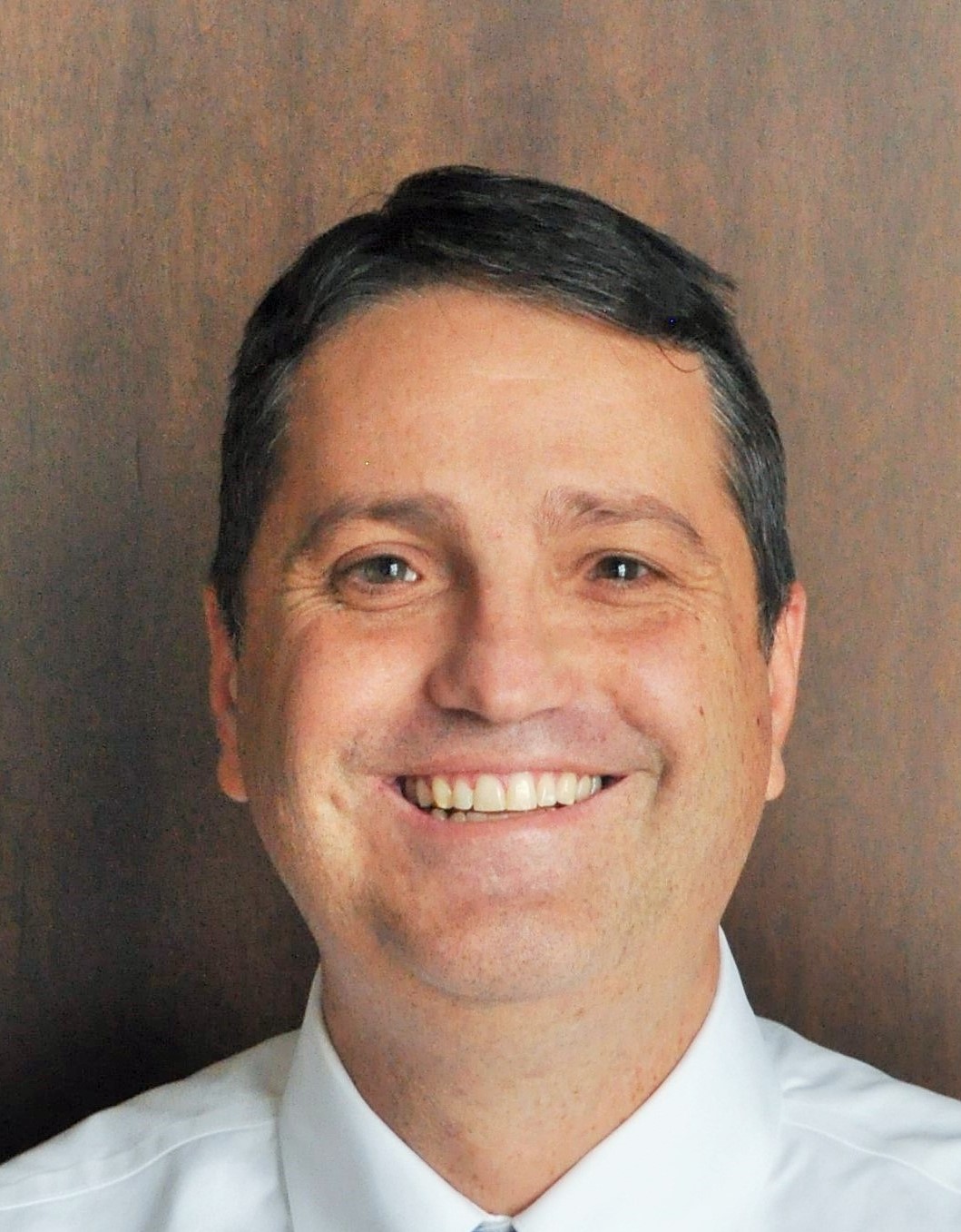
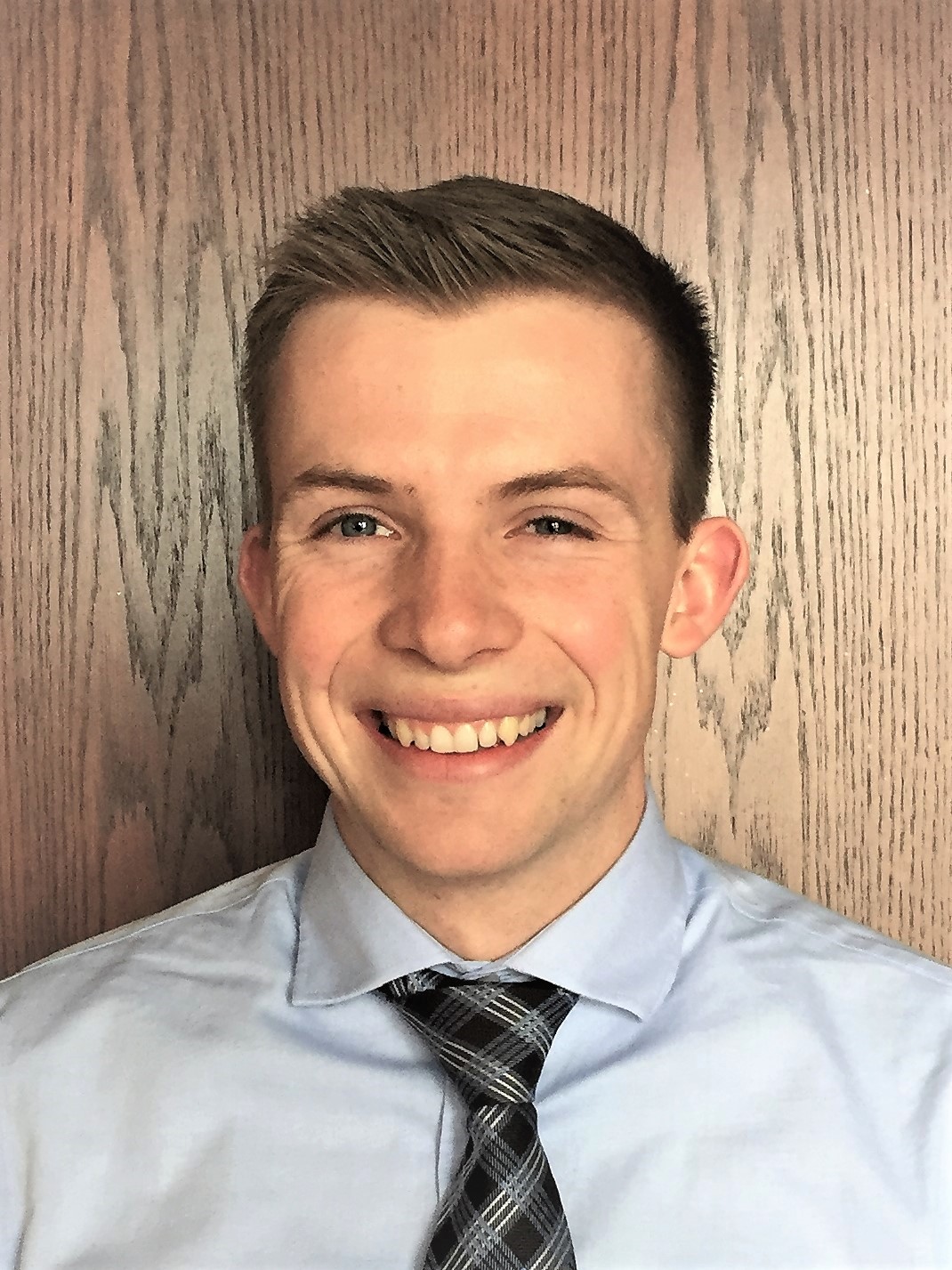

Mark Madsen, CFA, is a Portfolio Manager and Senior Research Analyst at Grandeur Peak Global Advisors. He works on the Grandeur Peak Global Reach Fund (MUTF:GPROX), Grandeur Peak International Opportunities Fund (MUTF:GPIOX) and Grandeur Peak Global Contrarian Fund (MUTF:GPGCX). He is also a senior research analyst with a specialty focus on the industrials, energy and materials sectors globally.
Keefer Babbitt, CFA, is a Portfolio Manager and Senior Research Analyst at Grandeur Peak Global Advisors. He works on the Grandeur Peak Global Contrarian Fund (MUTF:GPGCX) and the Grandeur Peak Global Reach Fund (MUTF:GPROX).
Dane Nielson is a Research Analyst at Grandeur Peak Global Advisors. Mr. Nielson is a global research analyst covering Australia, New Zealand, Canada, Latin America, the Middle East and Africa. He is also Lead Analyst on the Grandeur Peak Global Contrarian Fund (MUTF:GPGCX).
In this 3,439 word interview, exclusively provided to the Wall Street Transcript, these 3 money managers inform the investing public of their top convictions
“We try to find companies that we call best-in-class growth or undiscovered gems. As Mark was alluding to, we’re looking for companies that are small and under the radar. They’re really well-managed companies, but they’re tiny in terms of market cap.
A lot of people don’t spend a lot of time looking at them on the active side because you can’t put a ton of assets into them. And then, passive investing doesn’t really want to own these either because there’s not a lot of liquidity typically. And again, since they’re small on the microcap side, they don’t make it into the index in a meaningful way most of the time.
One name that we really like right now is called BBI Life Sciences (HKG:1035). This is what we call an undiscovered gem, best-in-class growth company. It’s a $150 million-market-cap company, and it’s a Chinese-based company. And what we’ve identified here is a play on the Chinese health care and life sciences industry.
The Chinese government is pretty set on developing their own R&D and pharmaceutical industry in China itself. And we want to participate in that, but we don’t really want to try to choose what pharma company or what drug specifically will end up becoming the big winner.
What we want to do is play that trend.”
Get the other top picks exclusively from this 3,439 word interview, only provided to the Wall Street Transcript.
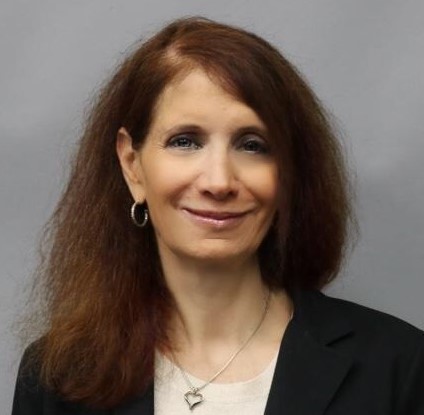
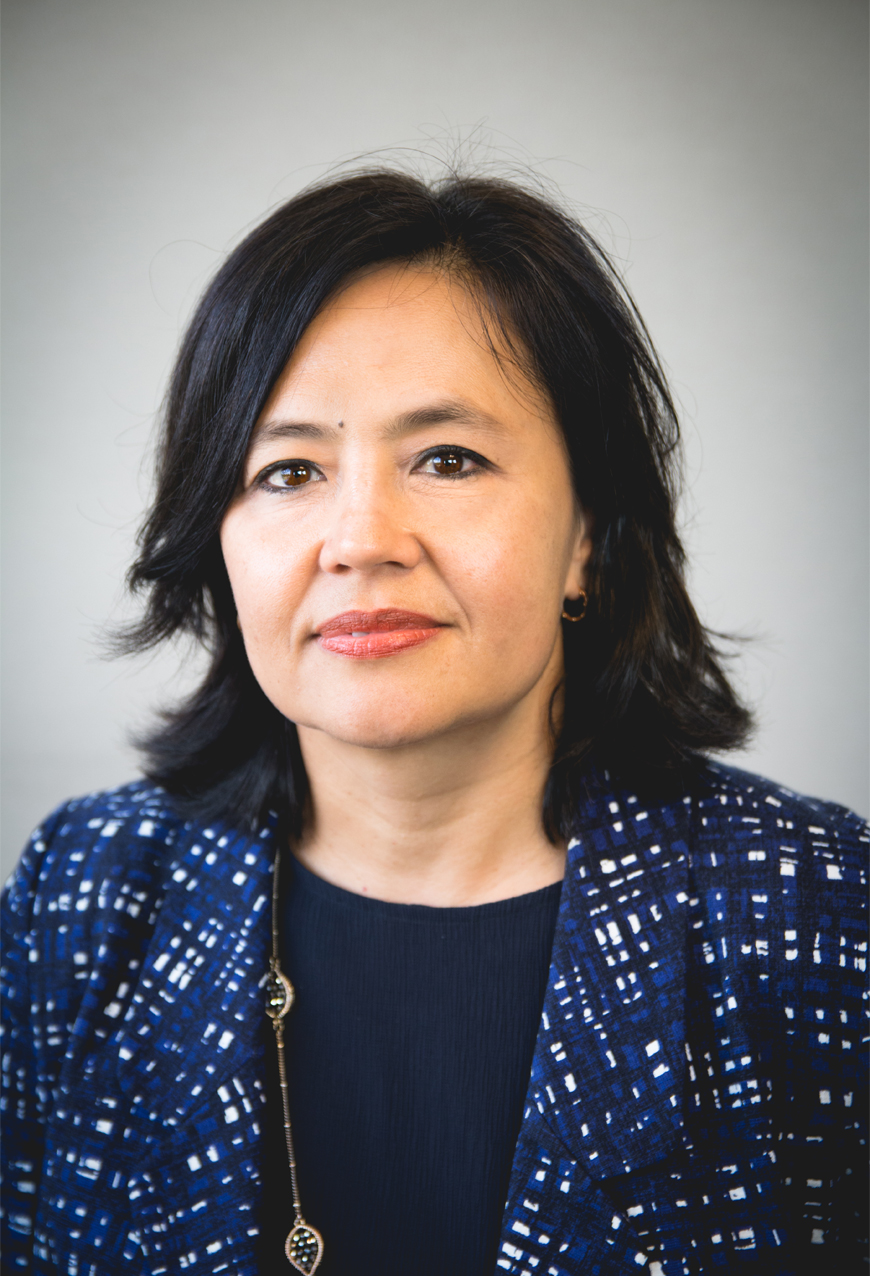
Melody Prenner Bryant joined Gabelli Asset Management Company in 2018 as a Portfolio Manager and recently also joined the portfolio management team of the Gabelli ESG Fund in February 2019.
Ms. Bryant has almost 30 years of experience as a Portfolio Manager, having begun her career as a security analyst for Oppenheimer Capital Corp. She then joined John A. Levin & Co., Inc. as a security analyst and subsequently became a portfolio manager, Co-Chairman and a member of the board of directors of BKF Capital, a holding company for the asset management firm. She lives with her husband and five children in New York City.
Christina Alfandary rejoined Gabelli Asset Management Company in 2016 as Managing Director, Environmental, Social & Governance — ESG — and Sustainable Investments.
In her role, she leads the company’s expansion of its ESG integration efforts and ESG investing capabilities. Prior to rejoining, she was Senior Managing Director, Co-Head of Nikko Asset Management Americas, Inc. where she worked from 2005 to 2015.
A native of California, Ms. Alfandary received an MBA in finance from Columbia Business School and earned her B.A. from Lewis & Clark College.
In this 2,802 word interview, exclusive to the Wall Street Transcript, these two top portfolio managers reveal a unique investment vision with specific examples.
“A second name is Alphabet (NASDAQ:GOOG), the parent company of Google. And here we have done a considerable amount of work, particularly because there are ESG concerns regarding cybersecurity and privacy issues that have come to the front.
But we feel very confident after speaking to the management many times on these topics that they’re ring-fencing the business and they’re doing their best to comply with all requirements that the government is demanding. Their cybersecurity is extremely robust.
What’s interesting to us isn’t so much the plain-vanilla Google business, the search business, but rather the business that’s called “Other Bets.”
The Other Bets are a group of companies that Alphabet has invested in over time. And these collectively are losing money at the moment, but many of them represent really significant value and opportunity.”
Get the complete picture on this and several other top picks in this 2,802 word interview, exclusive to the Wall Street Transcript.
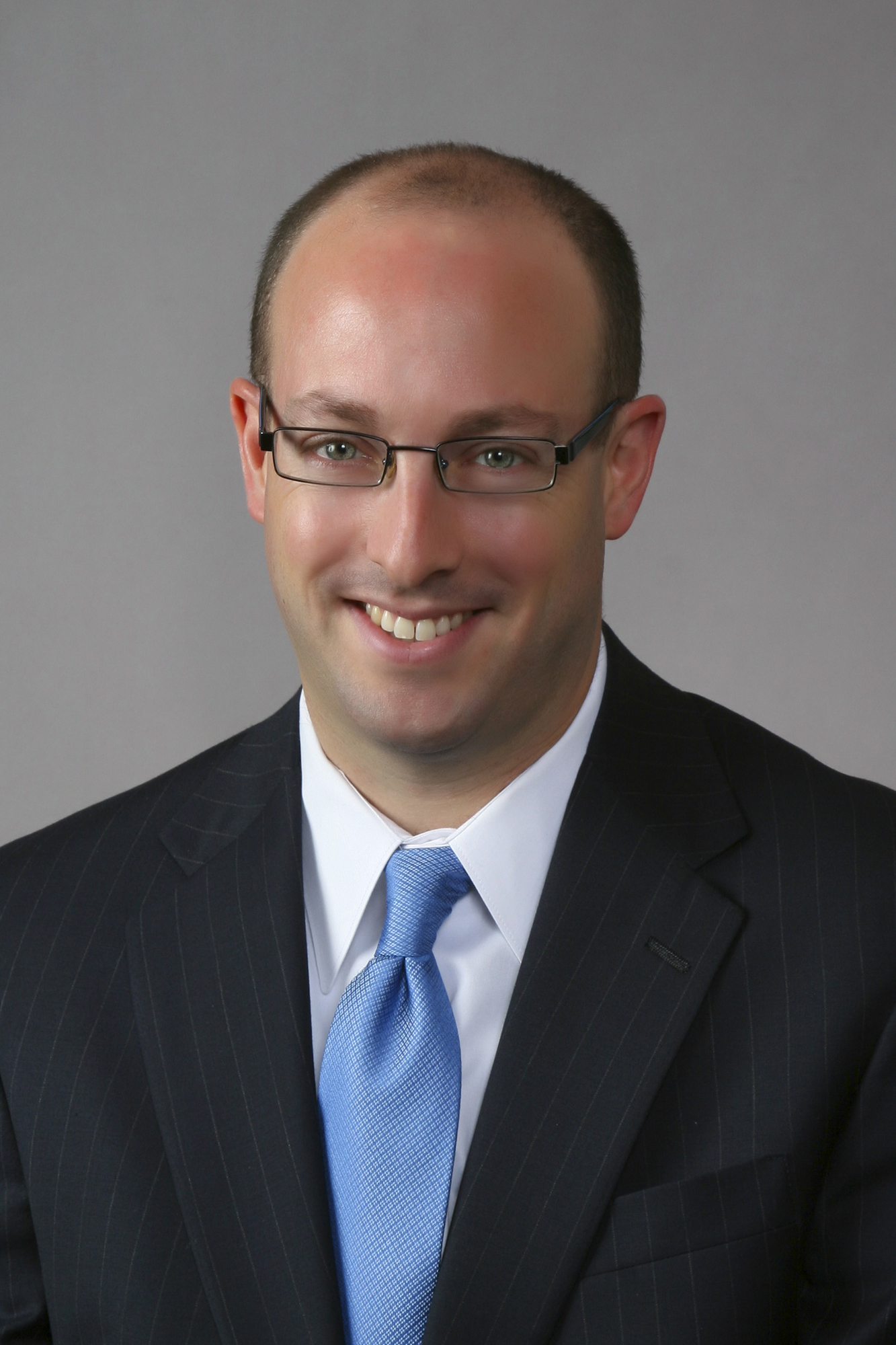
David Corris, CFA, is Head of Disciplined Equities and Portfolio Manager, Disciplined Equities at BMO Global Asset Management. Mr. Corris heads the BMO Disciplined Equity Team and is responsible for equity portfolio management and research. He joined the company in 2008.
Mr. Corris began his investment management career in 1999 and was a quantitative equity portfolio manager/researcher at Northern Trust Global Investments and a quantitative equity research analyst at Citigroup Asset Management.
He holds an MBA from Harvard Business School and a B.S. in mathematics and quantitative economics from the University of Wisconsin. In addition, he is a CFA charterholder and a member of the CFA Institute, the CFA Society of Chicago and the Chicago Quantitative Alliance.
In this 2,394 word interview, exclusively provided to the Wall Street Transcript, Mr. Corris delivers some insights from his portfolio:
“One example of a lesser-known holding is Bright Horizons Family Solutions (NYSE:BFAM). They offer employer-sponsored child care. Their revenue growth has been in the high single digits, their earnings growth has been in the mid-double digits, and their business model is stable because employers would not cut off the child care benefit, even during a recession.
It’s also a business that tends to have longer-term contracts with employers and becomes a locked-in part of the employee benefit package, which again makes it a defensive holding.”
Another top pick further illustrates his investment philosophy:
“…Another example would be Waste Management (NYSE:WM). They are the largest public waste management company nationally. They’ve demonstrated that they can achieve mid-single-digit revenue growth with low-single-digit earnings growth in a consistent, organic manner.
They also have a stable business model, and while they’re technically considered an industrial company, in many ways, they behave as a utility. We view them as a fundamentally strong and highly stable business that will do well in all types of market environments, including a recession.”
Get the full detail on these and all the other top picks from David Corris, only in this exclusive 2,394 word interview, in this new issue of the Wall Street Transcript,
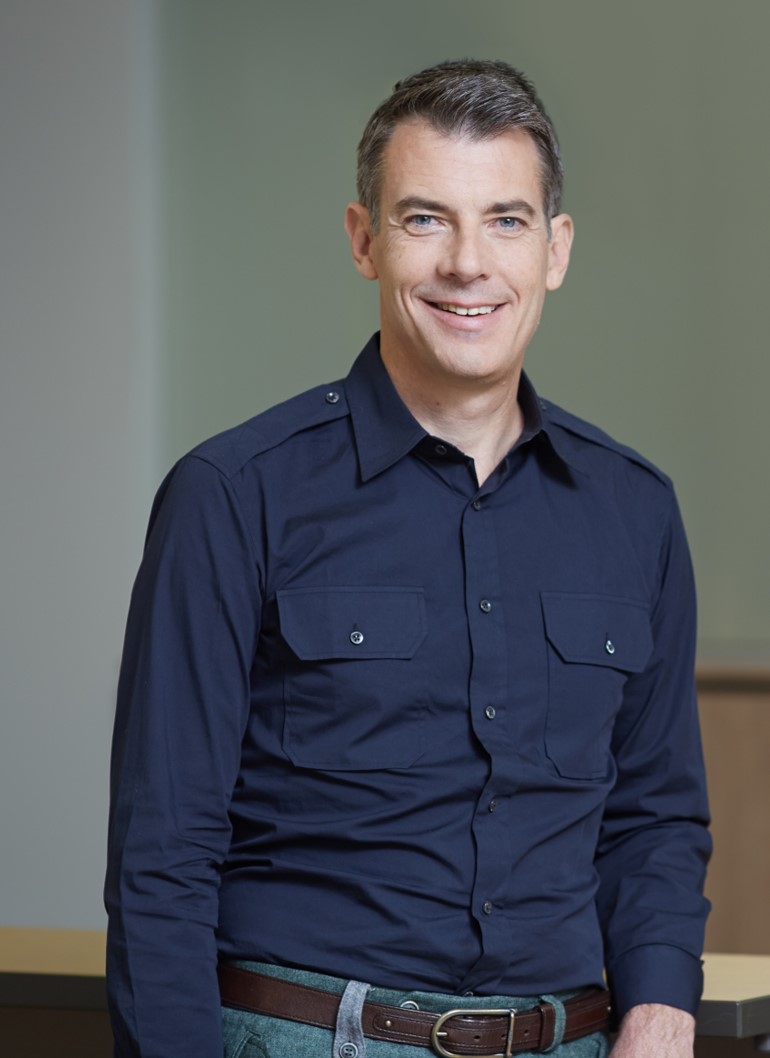
Erik Holmlin, President and Chief Executive Officer of Bionano Genomics, Inc. (NASDAQ:BNGO), has more than two decades of experience developing innovative solutions and companies in the life sciences and health care industries.
His experience includes positions at GenVault Corporation as CEO, Exiqon A/S as CCO and Becton Dickinson as Vice President of Marketing and Development.
In 2001, Dr. Holmlin led the formation and financing efforts of GeneOhm Sciences, Inc. and orchestrated the company’s acquisition by Becton Dickinson in 2006. He also served as an entrepreneur in residence — EIR — at leading life-science venture capital firm Domain Associates, LLC. Dr. Holmlin was a National Institutes of Health postdoctoral fellow at Harvard University and a National Science Foundation predoctoral fellow at the California Institute of Technology, Pasadena — Caltech.
He holds a Ph.D. in chemistry from Caltech and MBAs from UC Berkeley and Columbia University.
In his exclusive 1,777 word interview in the Wall Street Transcript, Dr. Holmlin describes the upside for his company:
“The opportunity that is in front of Bionano and the Saphyr is made possible because while traditional/commercial sequencers are incredibly robust — Illumina is an example of a sequencing company — those sequencers are able to analyze some types of genomic variation but not all types, and the Saphyr system analyzes the types of genomic variation that sequencers don’t.
The types that we analyze are called structural variations, and they involve a change in structure of the genome as opposed to a change in its sequence.”
This proprietary platform technology enables genetic sequencing not covered by the Ilumina product line:
“But in the middle, there’s a whole class of variation called structural variation, and sequencers are essentially blind to those because they don’t so much involve a change in sequence, but rather, they involve a change in genome structure, the location of the sequence on a particular chromosome.
Now, structural variations are very important in cancer, for example. Ninety percent of blood cancers are caused by a structural variation, and yet sequencers cannot detect those.
So we built the Saphyr to be a structural variation detector. It’s based on direct imaging of the chromosomal fragments that are contained in the cells, and that imaging reveals certain patterns that in turn we’re able to read and interpret and, therefore, determine the structure of the genome.
What’s unique about us is that we can see structure, but we cannot see point mutations, and it’s the inverse for sequencers. For example, the sequencers that Illumina sells can see point mutations but not structure. So we are a very perfect complement to sequencers out in the field.”
Read the entire 1,777 word interview with Dr. Holmlin, exclusively in the Wall Street Transcript.
David Corris, CFA, is Head of Disciplined Equities and Portfolio Manager, Disciplined Equities at BMO Global Asset Management.
Mr. Corris heads the BMO Disciplined Equity Team and is responsible for equity portfolio management and research. He joined the company in 2008. Mr. Corris began his investment management career in 1999 and was a quantitative equity portfolio manager/researcher at Northern Trust Global Investments and a quantitative equity research analyst at Citigroup Asset Management.
He holds an MBA from Harvard Business School and a B.S. in mathematics and quantitative economics from the University of Wisconsin.
In his exclusive 2,394 word interview, only in the Wall Street Transcript, Mr. Corris reveals the secret to his market beating equity investment returns.
“We see that volatility has been rising slightly in the last few months, and we expect there to be elevated levels of volatility going forward.
We think the drivers of that volatility include a market near all-time highs, an economic recovery that many people think is nearing late cycle, increased political volatility, especially as we lead up to the elections, and volatility potentially from Federal Reserve policy and interest rate changes.
All of those conditions could lead to more volatility going forward.”
One example for a safe haven in this rising volatility environment is an auto parts supplier:
“One example of a company that we own is AutoZone (NYSE:AZO). The majority of AutoZone’s business is reselling auto parts directly to consumers.
They are a stable company that has consistently outperformed their estimates, and their business model helps explain why we think they’re low risk. Their business of selling to consumers is fairly stable because there’s always demand for auto parts replacements.
And in some ways, it can be countercyclical, because when the economy has a downturn, consumers may choose to buy fewer new cars and instead service their existing cars.”
Get all the other methods being employed by this expert professionals portfolio management in the entire exclusive 2,394 word interview, only in the Wall Street Transcript.
Melody Prenner Bryant joined Gabelli Asset Management Company in 2018 as a Portfolio Manager and recently also joined the portfolio management team of the Gabelli ESG Fund in February 2019.
Ms. Bryant has almost 30 years of experience as a Portfolio Manager, having begun her career as a security analyst for Oppenheimer Capital Corp.
She then joined John A. Levin & Co., Inc. as a security analyst and subsequently became a portfolio manager, Co-Chairman and a member of the board of directors of BKF Capital, a holding company for the asset management firm.
Christina Alfandary rejoined Gabelli Asset Management Company in 2016 as Managing Director, Environmental, Social & Governance — ESG — and Sustainable Investments. In her role, she leads the company’s expansion of its ESG integration efforts and ESG investing capabilities.
Prior to rejoining, she was Senior Managing Director, Co-Head of Nikko Asset Management Americas, Inc. where she worked from 2005 to 2015. While there, she managed the U.S. business and was instrumental in a U.S. product launch of an innovative impact investing Green Bond product developed in collaboration with the World Bank.
In this 2,802 word interview, exclusively in the Wall Street Transcript, these top professionals reveal the strategy for finding top picks they use.
“…the Gabelli ESG Fund tends to follow our investment process of “private market value with a catalyst.” It does tend to be a little bit more on the value side.
Essentially, we’re looking for companies that are strong players in their particular industry, but specifically, for this fund, that are trading essentially at a discount to what we have calculated to be their intrinsic value.”
“…a number of large food companies, particularly some well-known names in Europe, like Danone (OTCMKTS:DANOY) and even Nestle (OTCMKTS:NSRGY), are focusing and shifting their product portfolios to take advantage of some of those trends.
So in looking at a company like Danone, its own strategy and mission is “One Planet. One Health.” That mission cuts across a number of fronts.
So they were the most well-known yogurt maker probably 10 years ago, when yogurt was becoming the alternative healthy snack. Since then, they’ve expanded their healthy product portfolio by purchasing a company called Happy Family in 2013, which was a U.S.-based maker of organic baby food.
And then more recently, in 2017, they purchased a company called WhiteWave, which is the maker of Silk almond milk. And they make a lot of other plant-based protein beverages to meet demand for plant-based protein beverages and now meat as well.
But the plant-based protein beverages, coconut milk, almond milk and things like that have really grown quite dramatically.”
Get the full detail in this exclusive 2,802 word interview, only in the Wall Street Transcript.
Mark Madsen, CFA, is a Portfolio Manager and Senior Research Analyst at Grandeur Peak Global Advisors. He works on the Grandeur Peak Global Reach Fund (MUTF:GPROX), Grandeur Peak International Opportunities Fund (MUTF:GPIOX) and Grandeur Peak Global Contrarian Fund (MUTF:GPGCX).
He is also a senior research analyst with a specialty focus on the industrials, energy and materials sectors globally.
Keefer Babbitt, CFA, is a Portfolio Manager and Senior Research Analyst at Grandeur Peak Global Advisors. He works on the Grandeur Peak Global Contrarian Fund (MUTF:GPGCX) and the Grandeur Peak Global Reach Fund (MUTF:GPROX).
He is a senior research analyst with a specialty focus on energy and materials and industrials industry team.
Dane Nielson is a Research Analyst at Grandeur Peak Global Advisors. Mr. Nielson is a global research analyst covering Australia, New Zealand, Canada, Latin America, the Middle East and Africa.
He is also Lead Analyst on the Grandeur Peak Global Contrarian Fund (MUTF:GPGCX).
In this exclusive 3,439 word interview, only in the Wall Street Transcript, these 3 highly experienced professional money managers reveal their investing process and detail their top picks.
“…We’re looking for companies that are small and under the radar. They’re really well-managed companies, but they’re tiny in terms of market cap.
A lot of people don’t spend a lot of time looking at them on the active side because you can’t put a ton of assets into them. And then, passive investing doesn’t really want to own these either because there’s not a lot of liquidity typically.
And again, since they’re small on the microcap side, they don’t make it into the index in a meaningful way most of the time.
One name that we really like right now is called BBI Life Sciences (HKG:1035). This is what we call an undiscovered gem, best-in-class growth company. ”
The research team has high hopes for this stock as well as all their top picks:
“If you look around the world, there are a lot of companies that look like BBI in terms of how they’ve matured and grown. A couple of them would be Thermo Fisher (NYSE:TMO) and Sigma-Aldrich, which are two of the peers that we compare them to. You want a good product, and you want a wide distribution network.
And what BBI has built out is a 400-person team and a direct sales force in China.”
To get the full detail on this and all the other top pickes from the team interview, read the entire 3,439 word interview only in the Wall Street Transcript.
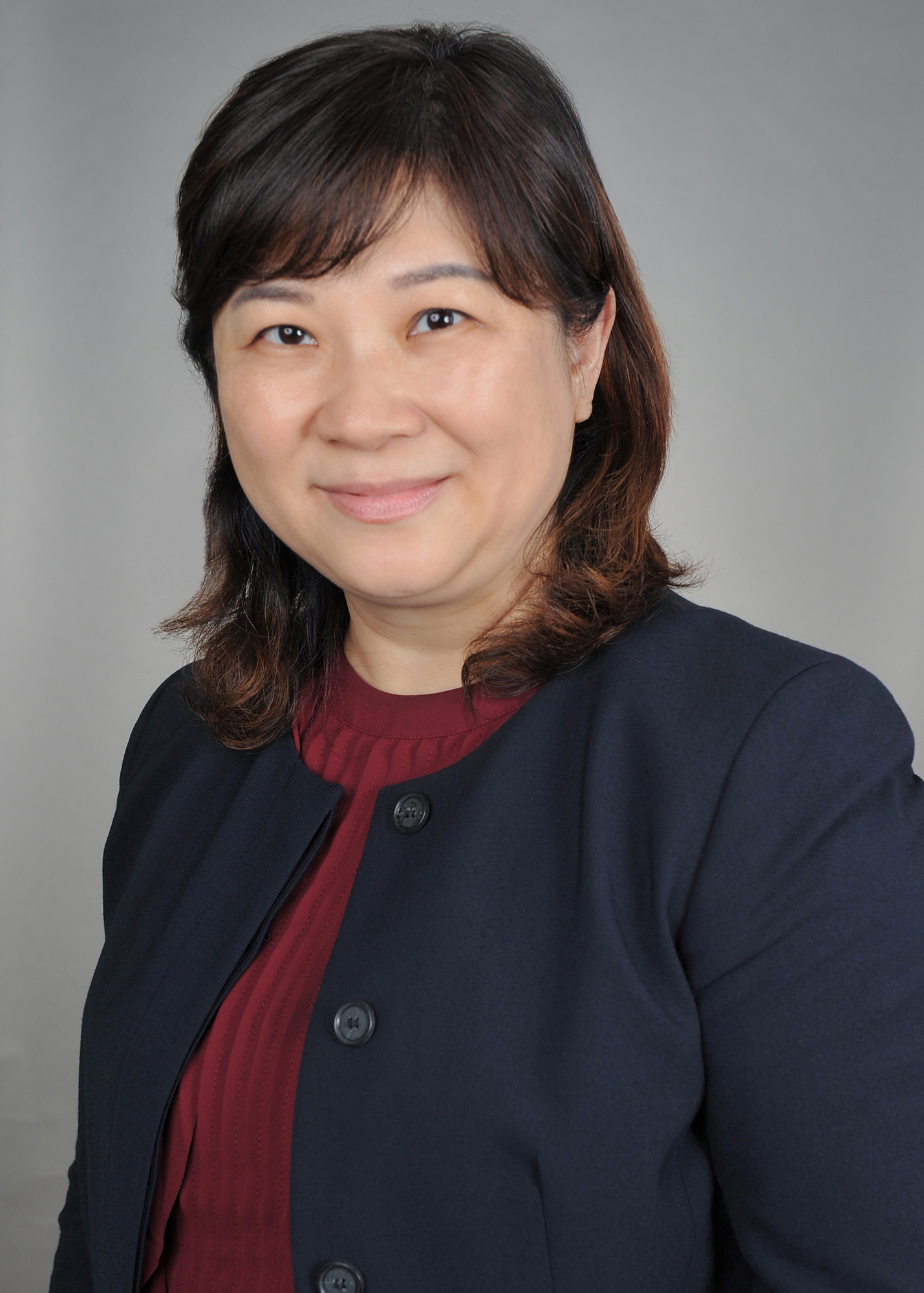
Difei Yang, Ph.D., is Managing Director of Equity Research at Mizuho Americas, Research Division. Dr. Yang has been covering the biotech and pharma sector for nearly a decade, most recently as Managing Director at Aegis Capital. She also worked in senior equity analyst roles at Brean Capital, R.F. Lafferty, WallachBeth Capital and Auriga Global Investors.
In addition, she has held senior science, program management and business development roles within the pharmaceutical industry and has authored many granted U.S. patents and peer-reviewed scientific publications.
She holds a Ph.D. in chemistry from UCLA, as well as an MBA from Georgia State University and a B.S. degree in physics from Peking University, China.
In this 2,716 word interview, exclusive to the Wall Street Transcript, Dr. Difei Yang explores the potential of several publicly traded biotech firms to be acquired by larger multinational pharmeceutical corporations.
One theme is the rapidly growing gene therapy biotech sector:
“Gene therapy is typically used to treat inherited rare diseases, and it usually involves single gene mutations. The first gene therapy that was approved in the U.S. is called Luxturna.
It is a gene therapy developed by a company called Spark Therapeutics (NASDAQ:ONCE). That’s a company we cover, and the drug is used to treat an inherited retinal disease, so a form of blindness. And earlier this year, Roche (OTCMKTS:RHHBY) offered to buy Spark Therapeutics for a substantial premium.”
Dr. Yang identifies the attributes that make for a good candidate for acquisition in the space:
“A few common themes we’re observing in that space is that, number one, we tend to see the highest probability of success for those companies where they target a single gene mutation, and secondarily, when these companies are vertically integrated, they’re able to control the manufacturing and basically make products to support clinical development as well as commercialization.”
One company that fits the bill, according to Dr. Yang:
“So we cover a company called Audentes Therapeutics (NASDAQ:BOLD). They have a therapy that is currently in late-stage development treating X-linked myotubular myopathy — XLMTM — an inherited form of a neuromuscular disorder.
These patients are typically diagnosed when they are babies.
The disease involves severe muscle weakness, so not only do these babies not reach developmental milestones, they probably never acquired the skills to walk.
Muscle weakness also impacts their lung function. And the result usually leads to babies not being able to breathe on their own and require ventilators for support, in some cases 24 hours per day.
Audentes Therapeutics has a gene therapy. And based on early clinical data, what we’re seeing is that not only the babies are alive, they started getting off ventilator support. That is a drastic improvement in the standard of care.”
Read the entire 2,716 word interview to get the full details on this stock pick and many others, exclusively in the Wall Street Transcript.