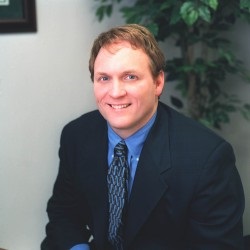
J. Jeffrey Auxier is President of Auxier Asset Management LLC and Founder of the Auxier Focus Fund. Prior to forming Auxier Asset Management in 1998, Mr. Auxier spent 16 years at Smith Barney — formerly Foster Marshall-American Express, then Shearson — where he was on the Portfolio Management Advisory Board and the Chairman’s Council, and was Senior Vice President of Investments and Senior Portfolio Management Director. In this exclusive interview with the Wall Street Transcript, Mr. Auxier explains the methodology that his firm practices:
“We have a documented track record going back to 1989 for separate accounts and back to 1999 for the Auxier Focus Fund. We started the fund close to the top of the market in 1999, and it’s pretty much outperformed all of the major indexes since that time. We survived two 40% market declines in nine years. So normally, when the market gets tough, you’ll find out who the real investors are.”
The current high profile portfolio companies include some recognizable biotech names: “In general, we really like valuations of several leading biotech companies, like Amgen (NASDAQ:AMGN), which is going to earn close to $14 this next year and trades at $169. Amgen has $38 billion in cash, and 40% of their sales are free cash. They’ve got just staggering amounts of free cash, and we like what’s going on in terms of the innovation and then some of the deregulation, where these companies can finally get safe compounds out to the market, but it’s been a laggard, but 13 times earnings and an attractive free cash flow yield. As we get into a potential tightening as we run down to 4.1% unemployment and then with the new tax code, we’d see actually the potential for quite a boom in new business formations.”
Mr. Auxier includes another big biotech stock in his portfolio.
“We have a fairly large stake in Biogen (NASDAQ:BIIB) as a bet. Biogen is a leader in basically diseases of the brain: MS, ALS, Parkinson’s and Alzheimer’s. So we think, in time, those businesses that are most focused on research will win in the end.”
For full descriptions of these recommendations and many more of Mr. Auxier’s winners, read the entire interview in the Wall Street Transcript.
The Wall Street Transcript has conducted over 50 extensive interviews with expert research analysts, money managers and public company CEOs in the Medical and Healthcare sectors including biotechnology, medical devices, healthcare related REITs and large pharmaceutical companies. You can access all of them, and all past and future healthcare interviews for $200 off the normal $390 cost by using the coupon code “$2000ff” in the Wall Street Transcript check out form.
Some of these insights include these expert winners:
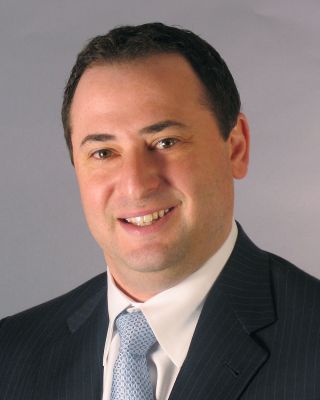
Brian Weinstein, CFA, is a Partner at William Blair & Company, which he joined in 2001. Mr. Weinstein is a Health Care Analyst with coverage in diagnostic products and medical technology.
“If we’re looking for January 1, 2018, to December 31 of 2018, I might go with Hologic (NASD: HOLX). I think that there are some interesting things that are going on with that company. It’s been under a lot of pressure over the last six to nine months. And I think that some of those pressures are going to alleviate a bit, as we move into 2018 specifically. The company announced an acquisition on Valentine’s Day this year that closed at the end of March, a medical aesthetics company called Cynosure. That asset was not viewed particularly well by most of Wall Street. And the early integration has proved to be much more challenging than what the company had expected.”

Sean Dodge is an Equity Analyst at Jefferies Group LLC. Mr. Dodge joined Jefferies in March 2010 and is a senior analyst covering stocks in the health care IT and services sectors.
“I like Allscripts (NASDAQ:MDRX). The management team there has successfully managed through their turnaround and are coming out the other end with a lot of momentum. They’ve had some nice, big headline wins over the last 12 to 15 months. We have seen signs of their in-patient installed base stabilizing. They have been able to win some new share and taken quite a bit of cost out of their system, so any type of revenue growth should drive some nice operating leverage and then really nice EBITDA growth.”
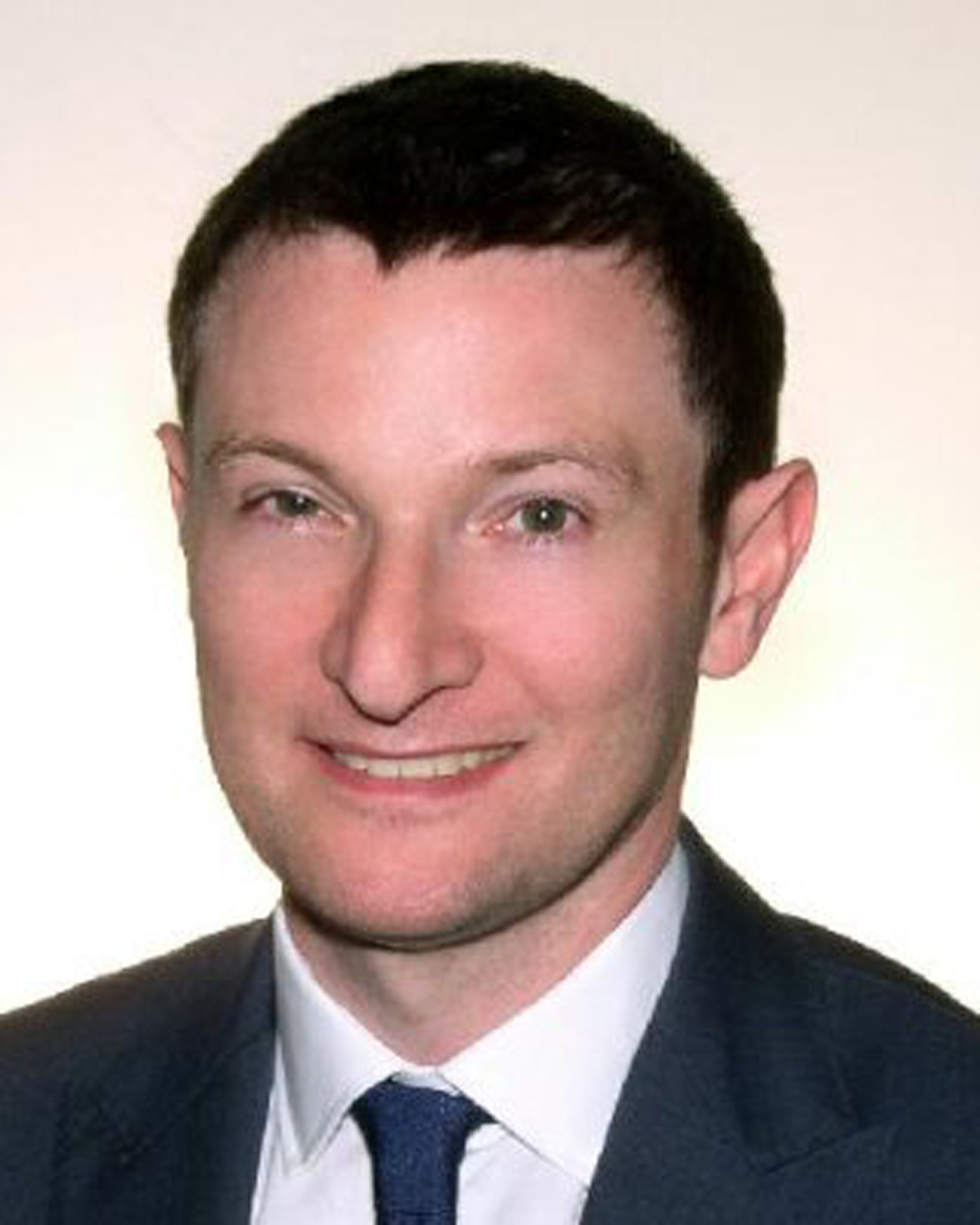
Yigal Nochomovitz, Ph.D. is a Director and Smid-Cap Biotech Analyst at Citigroup Investment Research & Analysis. Dr. Nochomovitz has covered the ophthalmology space as well as other disease areas including oncology, rare disease, nephrology, hematology and infectious disease over his career on the sell side.
“Lexicon (NASDAQ:LXRX) is underappreciated because I don’t think the market is giving them enough credit for what is likely to be the first oral drug approval for Type 1 diabetes, on top of insulin. It is a company that has been around a very long time. Sometimes when investors had seen a company for years and years, it is harder for them to get behind a story that is changing and that is getting a lot of positive momentum, which I think Lexicon has. That one is misunderstood.”
To access all of these interviews, and hundreds more both now and for the next year, use the $2000ff coupon for the Healthcare sector subscription at the Wall Street Transcript.
These professional portfolio managers got it right back in January of 2017 with some tremendous picks.
Peter H. Havens is the Chairman and Founder of Baldwin Management, which he started in 1999 after serving as a member of the board of directors and Executive Vice President of The Bryn Mawr Trust Company. Previously, he organized and operated the family office of Kewanee Enterprises. Mr. Havens received a bachelor’s degree from Harvard College and an MBA from Columbia Business School. He is Chairman of the Lankenau Institute for Medical Research and Chairman of the board for the Independence Seaport Museum. His pick from January of 2017 was a high return large cap medical technology stock.
“Thermo Fisher (NYSE:TMO), and this is a life sciences and also a measurement company. It’s also involved in food safety and environmental. And we’ve found them to be a very effective acquirer of technology, getting ahead of the curve. Last year they bought a company called FEI, and they make high-performance electron microscopes. And the reason they got involved in this is with regard to protein identification and characterization, and this is where scientific research is going.”
David Corris is the Head of Disciplined Equities and Portfolio Manager at BMO Global Asset Management since 2015. He leads a team of 11 investment professionals who manage over $15 billion in active equity strategies spanning U.S., international, low volatility and global long/short. He is the Portfolio Manager for U.S. large/mid/small-cap strategies and is responsible for implementing investment strategy and leading day-to-day portfolio research and trading. His top stock pick was not obvious in January of 2017.
“Walmart (NYSE:WMT), which is going to be the least-exciting name that I talk you about in this entire call, but I’m going to preface it by saying sometimes within low-vol portfolios, you’re not talking about exciting companies, you’re talking about, you know, meat-and-potato-type companies. And so Walmart, while they’re not the most exciting name to talk about, they have a very strong business model with above-average profitability. They’ve got a well-managed balance sheet. They’ve got a very stable revenue generation model. They have an above-average yield of roughly 3%. And with all that said, they are one of the cheapest names in their peer group, for example with the p/e of around 16 times.”
Benjamin C. Halliburton, CFA, is a Founder, CEO and Chief Investment Officer of Tradition Capital Management, LLC. He oversees the investment research and strategy. He also heads the Investment Committee and covers the energy and technology sectors. His top pick from January of 2017 pounded the market and demonstrated a real contrarian strategy.
“A company I think that works for a lot of investors right now — extremely out of favor, large-cap name, pays a nice dividend of 4.14% — is AbbVie (NYSE:ABBV). They are the producer of HUMIRA. HUMIRA is the primary driver of profits and profit growth over the near term, and represents a huge amount of their business.
People are concerned that biosimilar competition could erode HUMIRA’s market share and profitability. AbbVie, when you talk to management, indicates that they are very confident in their multiple intellectual property protection strategies, lots of patents that will protect them for years, some of which do not expire for multiple years.”
To see what top picks are available to investors for 2018, read the exclusive interviews available on the Wall Street Transcript.

Stefan Ioannou, Ph.D., is Analyst of Cormark Securities Inc. Dr. Ioannou is a mining engineer and holds a Ph.D. in economic geology from the University of Toronto. He joined Cormark in December 2016, working in equity research for 13 years with Haywood Securities — base metals analyst since 2006. Prior to that, Dr. Ioannou worked as an exploration geologist in Nevada and throughout the Canadian Shield. In his exclusive interview with the Wall Street Transcript, Dr. Ioannou sees increased demand for specific metals.
Dr. Ioannou is bullish on Zinc. “Back on the cyclical or timing theme again, you want to be looking at companies that are in a position to capture the near-term zinc cycle. So these are companies that are either in production now or will have production coming online within the next two to maybe three years. Developers that have longer-term outlooks for getting mines off the ground probably won’t benefit from really strong zinc pricing until the next cycle.”
This increase in Zinc price will find investors searching for the right stock. “Our top pick, which happens to be a zinc company, is Trevali Mining (TSE:TV). The company is the marquee pure-play zinc producer on the Toronto Stock Exchange. They have four mines positioned throughout the world: Canada, Peru and two in Africa, which combined produce north of 400 million pounds of zinc a year. Zinc accounts for about 85% of Trevali’s revenue profile. So again, very much an established pure-play zinc producer, and that’s very hard to find in the market.”
Dr. Ioannou also sees significant new demand for Nickel producers. “It’s driven by the whole EV thesis and the vision that eventually everyone is going to be driving electric vehicles. And every single one of these vehicles is going to require a battery. Lithium and cobalt are headlining this battery talk, but there is actually quite a bit of nickel in them as well. So the thinking is that, over time, nickel demand will be bolstered by battery demand.”
To see a complete list of Stefan Ioannou’s mining picks, read the complete interview in the Wall Street Transcript.
Paul Benson, M.Sc., BE, B.Sc., serves as SSR Mining Inc.’s President and Chief Executive Officer and a member of the board of directors. He has been employed at SSR Mining since August 2015 and brings to the company 30 years of experience in various technical and business capacities. Most recently, Mr. Benson was CEO and Managing Director of Troy Resources Limited. Prior to that, for 20 years he held a number of executive and operating roles in Australia and overseas with BHP Billiton, Rio Tinto and Renison Goldfields. In this exclusive interview with the Wall Street Transcript, Paul Benson reveals his current plan for increasing value.
The strategic focus is to continue to grow and develop several owned properties: “…We were a silver producer. Then, in 2014, we became a precious metals producer with the acquisition of the Marigold mine located in Nevada, and the year after that, we were producing with revenue evenly split between gold and silver. Last year, we acquired Claude Resources, and the aim there was to get ownership of the Seabee Gold Operation in Saskatchewan, Canada. This acquisition further increased our gold production. This year, approximately 80% of the revenue is from gold and 20% from silver. However, silver will pick up again in coming years as our mine in Argentina that we now refer to as Puna Operations starts to expand production from the new Chinchillas project. So silver production will increase, but we will still be predominantly producing gold.”
The current plan is to upgrade existing operations as well as develop new mines: “…we eventually have to do some equipment replacement, specifically replacing our hydraulic shovels. So at the moment, we have one large rope shovel, two midsize hydraulic shovels and a front-end loader. We are undertaking a major strategic study to see whether we can justify replacing the two hydraulics with a larger rope shovel. And that would increase the tons moved per year from 80 million to over 110 million tons per year, which would lower our cost, lower our cutoff grade and, therefore, bring more resources into reserves.”
To get the full interview with all the detailed estimates for future growth, visit the Wall Street Transcript.
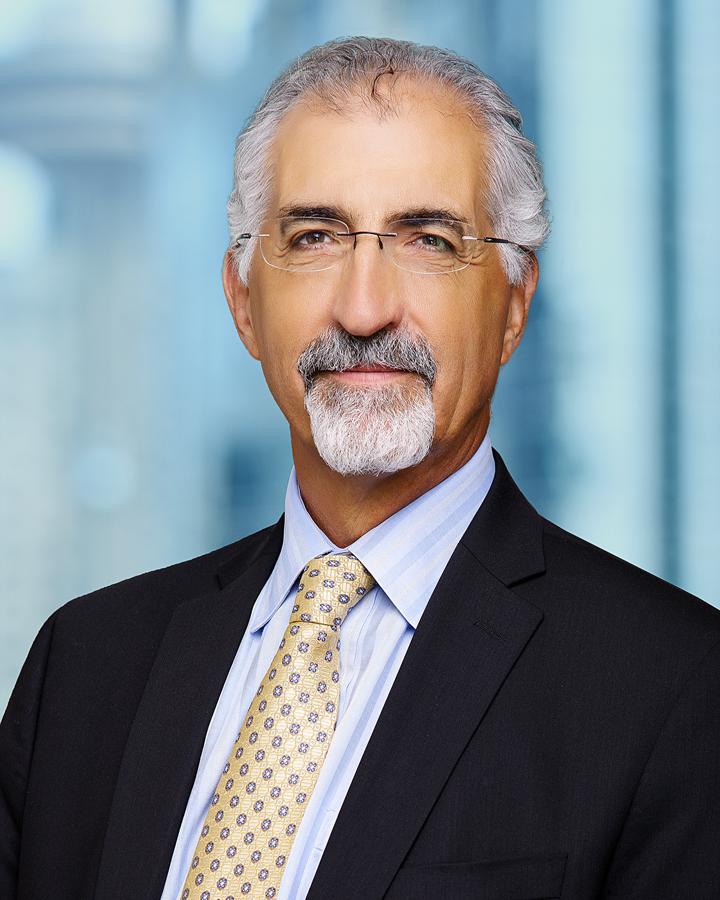
Bradford Cooke is Chief Executive Officer of Endeavour Silver Corp. Mr. Cooke is a professional geologist and entrepreneur with 40 years of experience in the mining industry. He has specialized in the formation, management and financing of exploration and mining companies, and the acquisition, exploration, development and mining of mineral properties. Mr. Cooke founded Endeavour Silver Corp. in 2003 for the purpose of acquiring high-grade silver-gold projects in Mexico. In this exclusive interview with the Wall Street Transcript, Mr. Cooke describes in detail the costs and projected profits from the new silver mines his company is creating.
“We have the most compelling organic growth profile in the silver sector. El Compas, which was acquired 18 months ago for $6.7 million, will be in production by the end of March, 2018, as mine number four. It’s another one of these small mines in historic districts that had been overlooked. It came to us fully permitted, and with a 10-year lease on an existing dormant government processing plant. So we don’t have to permit the mine or build the plant. It’s already done for us.”
Each of the mines has significant potential. “I think we’re going to see growing production starting with El Compas in 2018, then Terronera in 2019, then conceptually Parral in 2020 to deliver 50% growth over the next three years. And all of the three new mines are at the lower part of the cost curve in the sector. So just developing those new mines not only grows our production, it also shrinks our costs per ounce.”
Read the entire interview and discover exactly how the Endeavour Silver Corporation intends to create a Mexican silver mining profit stream. “We try to take advantage of the bottom of the cycle so that we can produce more as we go into the up cycle. So building mines four, five and six as we move into this next bull leg for gold and silver should pay handsome dividends for Endeavour shareholders.”
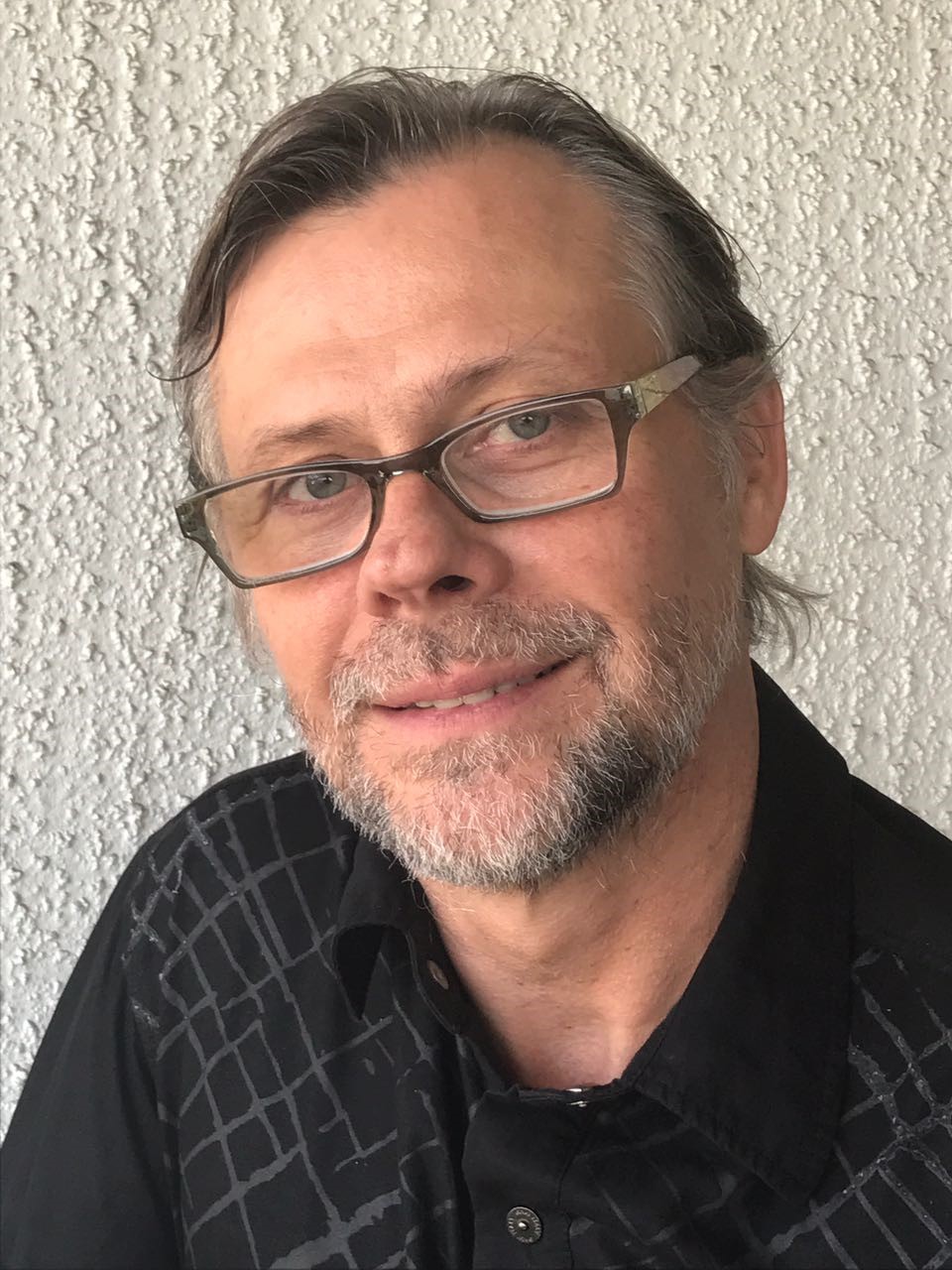
Glen Van Treek is the President, CEO and a director of Paramount Gold Nevada Corp. He was formerly the VP Exploration of Paramount Gold and Silver Corp. through the April 2015, $200 million merger with Coeur Mining. He has over 28 years of progressive global experience in all stages of mineral exploration and production. Prior to joining Paramount, he held various senior positions at Teck Resources in Vancouver and Chile, and prior to that, he worked with Placer Dome in the Americas and West Africa. In this exclusive interview with the Wall Street Transcript, Mr. Van Treek explains his plan to develop shareholder value in his mining operations in Oregon.
“In 2016, we acquired Calico Resources and their high-grade Grassy Mountain gold project in eastern Oregon. Since the acquisition, we have focused our efforts and resources in advancing Grassy Mountain toward a construction decision. We launched a pre-feasibility study in September of last year and expect to complete the study in the first quarter of 2018. We plan to follow that up with the submission of a consolidated mining permit application to the Oregon Department of Geology and Mineral Industries, which is expected in the first half of 2018.”
Oregon is not usually considered a traditional mining economy. “We believe that Oregon is a mining-friendly state. To better describe Oregon’s makeup, it’s kind of like two states in one. When you look at the west portion of the state, it’s the beautiful scenic coast, rivers and forests. When you move to the eastern portion of the state, it’s pretty desert-like, similar to Nevada, with few forests and no protected wildlife.”
To get the full insight into the potential of this investment, read the entire interview at the Wall Street Transcript. “Potential shareholders should expect that our team, as we have proven in the past, will deliver on our planned goals. We are a committed and experienced team that is focused on building a mine in Oregon. And we believe a fully permitted mine will be a significant value-creating event for our shareholders.”
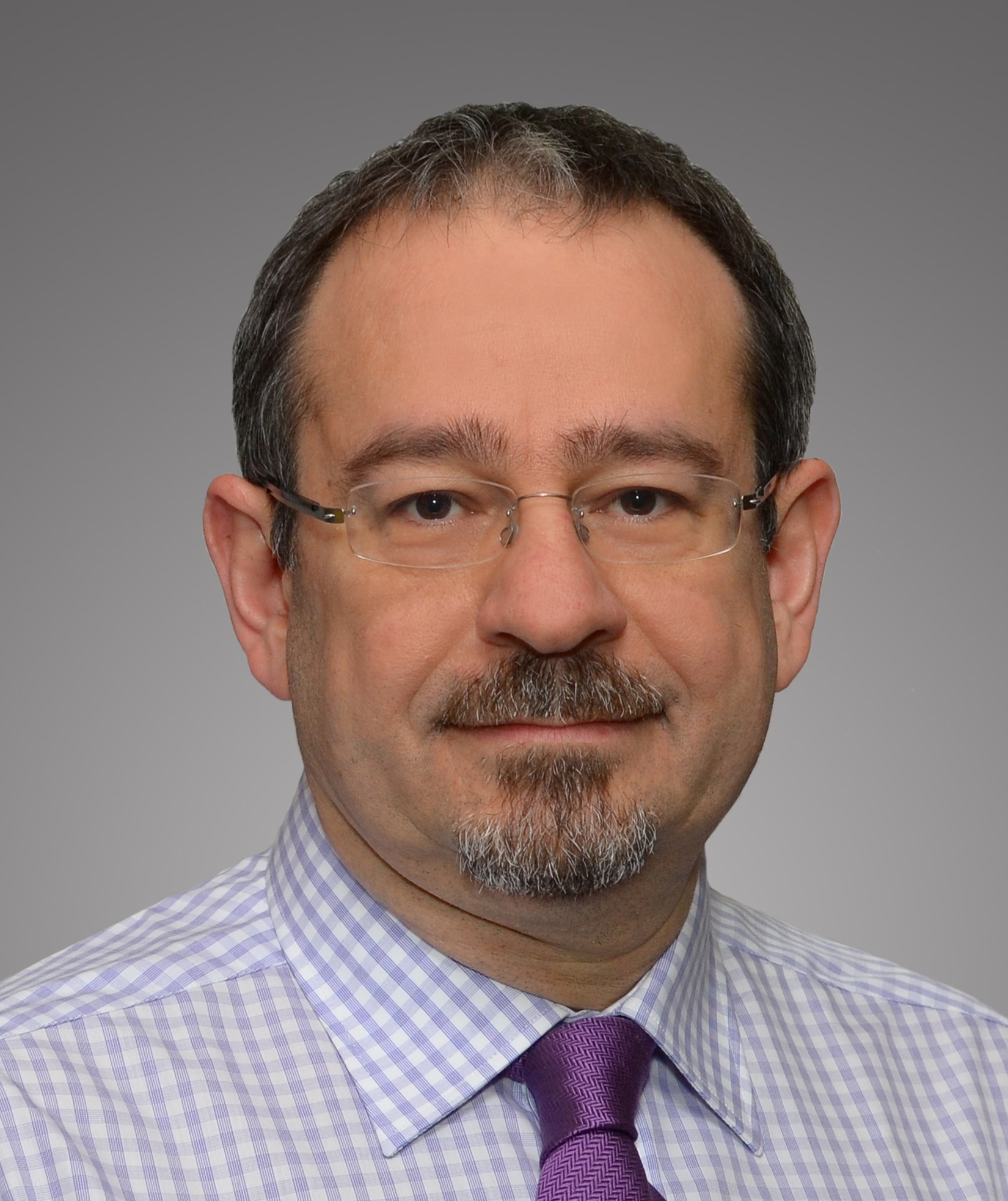
Ioannis Tsitos, MSc., is the President and Director of Goldsource Mines Inc. (CVE:GXS) (OTCMKTS:GXSFF) (FRA:G5M). The Canadian resource company is working aggressively to develop its advanced-stage, 100%-owned Eagle Mountain saprolite gold project in Guyana, South America. Through a pilot plant initiative, the company achieved low-cost, Phase I gold production at the project in 2016. Goldsource is now focused on delivering feasibility studies to achieve large-scale gold production at Eagle Mountain.
Mr. Tsitos has nearly 30 years of experience in the mining industry, having spent 19 years with BHP Billiton group. In his time in the industry, he has lived and worked in South Africa, Ecuador, Greece and the United Kingdom, and has been working in Canada since 2000. Originally a physicist-geophysicist, he left BHP Billiton in December 2007, where he served as the new business manager for minerals exploration based in Vancouver. He has been instrumental in the identification, negotiation and execution of more than 50 exploration agreements with juniors, majors, as well as with state exploration and mining companies. In this exclusive interview with the Wall Street Transcript, Ioannis Tsitos explains in great detail how the gold is mined.
“Looking at what is the big plan here for us, the vision for Goldsource Mines in Eagle Mountain is really to support a large-scale, 4,000- to 5,000-ton-a-day, open-pit, gravity-CIL gold operation, which is going to be focused on a low strip ratio, so therefore, low-cost mining of surficial saprolite. To that extent, we’re drilling every day. We’ve got our own two rigs. We pursue an aggressive program to increase the saprolite resources we have. The ultimate plan is to become a viable operation with a goal of producing between 50,000 to 70,000 ounces of gold per year. At this level, either with the current or expanded resource, the company is targeting a minimum of eight years mine life before we go to blast the hard rock part of the deposit.”
To get the full description including the equipment, costs and processes necessary for extracting gold from Guyana, read the entire interview in the Wall Street Transcript.
Michael Steinmann is President and CEO of Pan American Silver Corp. Mr. Steinmann joined Pan American in 2004 and held progressively senior roles before being promoted to President and CEO in January 2016. Mr. Steinmann has over 20 years of experience in the base and precious metals industries, having worked throughout South America in mine operations and project development. He has participated in numerous mine construction projects, from exploration and feasibility studies through to startup and into continuous operation. He also has a strong background in M&A, corporate development and capital markets.
In this exclusive interview with the Wall Street Transcript, Michael Steinmann details his strategic vision for the company. “Pan American Silver is the second-largest primary silver producer in the world. We are currently running seven operations throughout the Americas: three mines in Mexico, two in Peru, one in Bolivia and one in Argentina. Aside from our Alamo Dorado mine in Mexico, which is reaching its end of life, all of our operations contribute meaningfully to production.”
In the near future, Pan American Silver Corp. will reap the benefits of past capital expenditures. “We expect gold production to increase over the next years as a result of our Dolores mine in Mexico, which is a silver/gold deposit. We’re currently expanding that operation with a new underground mine and a new pulp agglomeration plant, which will increase recovery of our higher-grade silver and gold ore. As we go deeper into the deposit, the gold grade increases, so it’s really a factor of the mine sequencing that results in higher gold productions over the next few years.”
For the future, Pan American Silver Corp. will be developing a new source of revenue. “We’re also expanding a second operation in Mexico called La Colorada.” To read the entire interview, visit the Wall Street Transcript.
Christopher M. Jones joined Westwater Resources, Inc. as President and Chief Executive Officer in April 2013. Mr. Jones has more than 30 years of experience in positions of increasing responsibility in senior management as CEO and in operational leadership roles in the mining and energy industries. He was most recently President and CEO of Wildcat Silver Corporation, where his team effectively doubled the size of the resource twice using proven metallurgical technologies. Prior to that, he was the Chief Operating Officer and the Mining General Manger at Albian Sands Energy, where he led the post-startup, stabilization and optimization of the Muskeg River Mine in Alberta.
In this exclusive interview with the Wall Street Transcript, Mr. Jones details the new strategic focus for his company. “Simply put, lithium is the stuff that goes in a lithium ion battery. And everyone these days has a portable electronic device like a phone or a laptop by our workstations that use these batteries. But the real growth market for lithium is in transportation batteries — cars for instance. You might see a Tesla coming down the road, but I see 70 pounds of lithium there rolling down the road.”
Even if lithium prices drop dramatically from current levels, at “$8,500 a ton, the kind of properties we’re looking at produce lithium from brines that are really at the lowest-cost quartile. That’s around $4,000 per ton, still leaving us about 100% margin. Those are the kind of things that this team focuses on; that is, is making sure that we can be in the lowest-cost quartile of any commodity we want to work in, so that no matter what the economics or the price at the time, the economics are still sound.”
The future is lithium and Westwater has low price options. “It’s just really, really salty water. Think of tap water at about 1,000 parts per million dissolved solids, sea water at 15,000 to 20,000 parts per million — this stuff is 300,000 parts per million. It’s actually heavy to the touch. This brine is super salty. What we do is we pull it out of the ground, we extract the lithium salt component, we put the rest of the water back underground, then we work with the lithium salt component to change it to lithium carbonate to put it into action.”
To read the entire interview, visit the Wall Street Transcript.