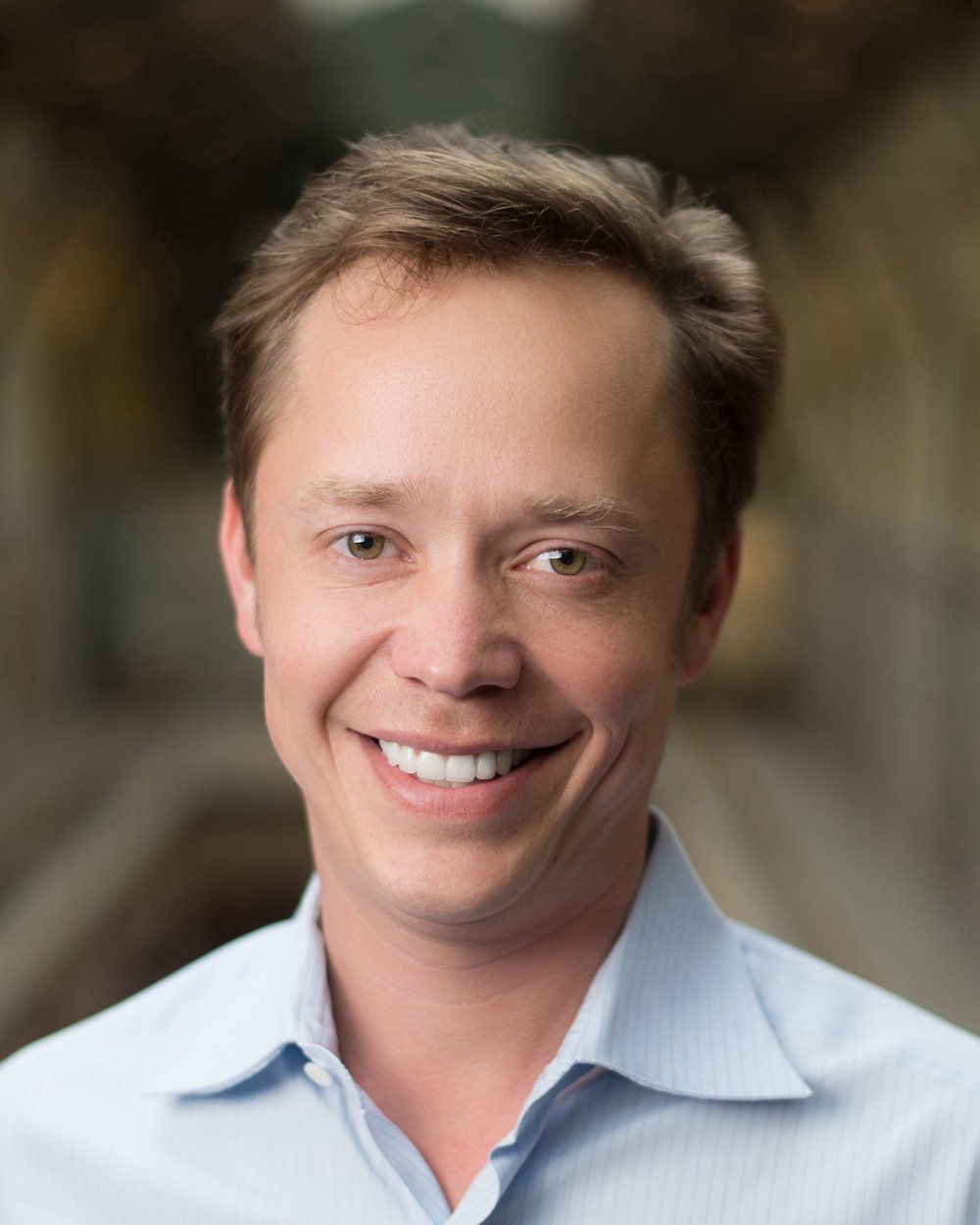
Brock Pierce is a Founder and Managing Partner at Blockchain Capital. He is also Chairman of the Bitcoin Foundation. Blockchain Capital has invested in more than 30 Blockchain-enabling technology companies. Mr. Pierce is also a founder, adviser or board member of GoCoin, Tether, ZenBox, Blade Financial, Expresscoin, Noble Markets, BitGo, ChangeTip, BlockStreet, Coin Congress and Plug and Play. In his exclusive interview with the Wall Street Transcript, Brock Pierce explains the entire blockchain and bitcoin ecosystem and describes how to invest profitably in this new asset class.
“From an adoption perspective, we’re where the internet was in 1990. In terms of kind of an infrastructure perspective, we’re where the internet was in, call it, 1994. And so we’re experiencing a technological revolution that is going to impact every person’s life on the planet, and certainly impact every business into a similar and greater extent than the internet has. So it’s a big deal, but it’s the early days, and it’s something that most people don’t understand.
One of the most basic components of that is that the idea of bitcoin, and ultimately the enabling technology that emerged, the blockchain, has been around for 40 years, and there was no one on the planet smart enough to figure out how to do it. If you are studying for your doctorate in cryptography, mathematics or computer science, you very likely look at the Byzantine Generals Problem, otherwise known as a double spend, and no one figured that out until now. And so bitcoin solved this sort of Holy Grail of computer science problems that is enabling all of this.”
Mr. Pierce explains how even top tier Wall Street investment banks are jumping on the band wagon: “Goldman Sachs (NYSE:GS) has great research reports. Goldman Sachs’ last report said that the blockchain is going to change, well, everything. Goldman Sachs is saying it will change the entire world, and you have research reports out of most of the major institutions at this point. And I would say go get the research. It’s there.”
Brock Pierce see tremendous upside for global finance in the technological advances based on blockchain: “… it’s also places like Southeast Asia or Africa in the same way that they leapfrogged wired telecommunications and went straight to wireless, and where you got problems like with Zimbabwe and their $100 trillion banknotes. In places like this, this is the technology that is democratizing the global financial system and allowing everyone on the planet to have equal access, and the people that are standing the benefit and the ones that are most likely are going to use it are not you and me. To us, it’s a speculative investment opportunity. To a lot of the planet, to a majority of the planet, it is important as clean drinking water; it changes their lives completely.”
To get the full details of blockchain currency investing from Brock Pierce of Blockchain Capital, read the entire interview at the Wall Street Transcript.

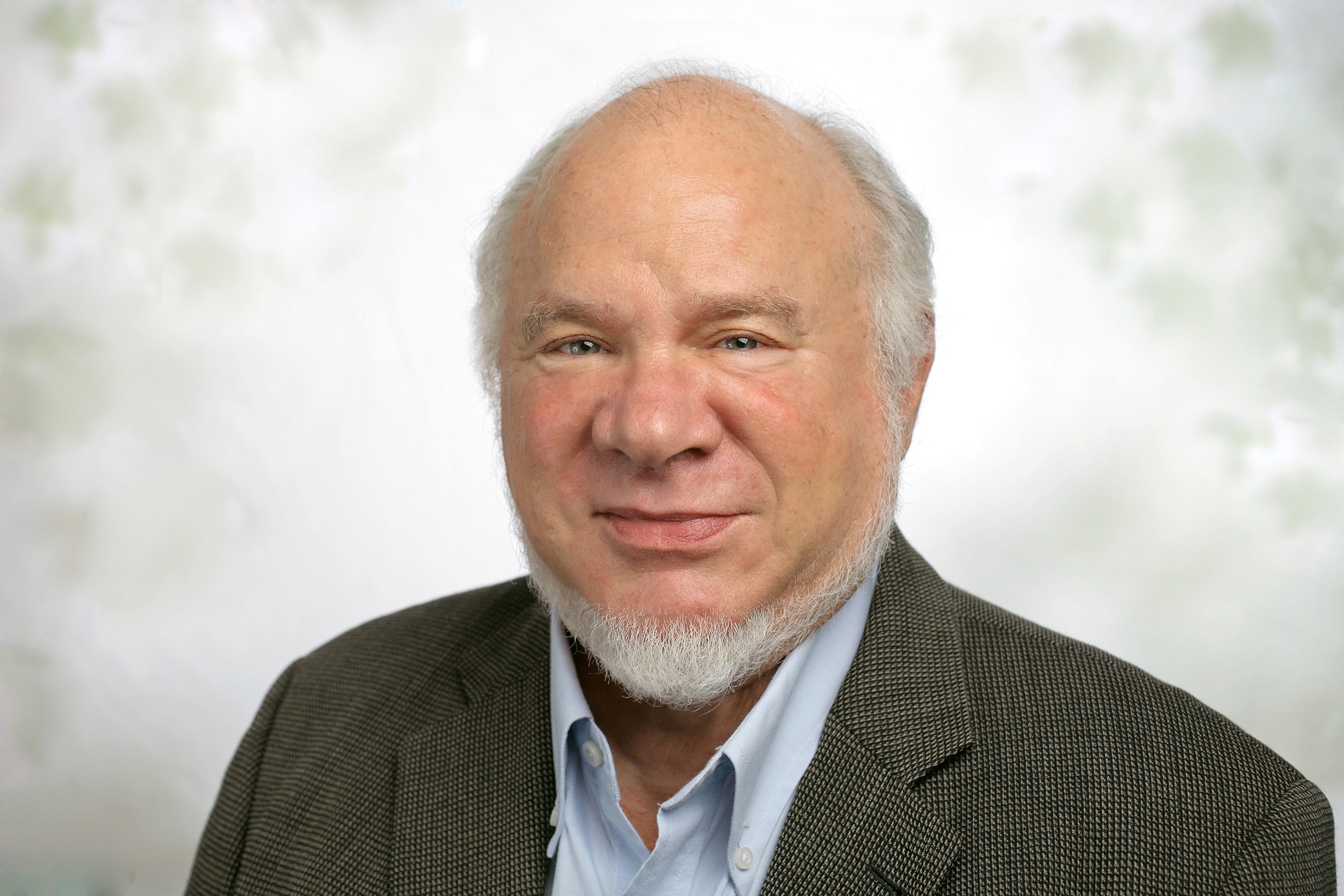
Lowell G. Miller founded Miller/Howard Investments Inc., where he is Chief Investment Officer, in 1984. He is the author of three books on investing, including The Single Best Investment: Creating Wealth with Dividend Growth. Owen Harvey is a Research Analyst at Miller/Howard Investments Inc. Earlier, Mr. Harvey spent seven years with Lazard Freres, where he was a technology analyst. In their exclusive interview with the Wall Street Transcript, these two highly experienced research analysts share their detailed methodology for finding the best MLP investments and structuring them into a tax advantaged portfolio driven product.
“We might just talk a little bit about ETNs. We’re not the ETN provider in the case of our MLP Fundamental Index; Citigroup (NYSE:C) is. ETNs trade just like ETFs. There are two disadvantages and one very large advantage. The investor does not pay any capital gains tax on changes within the portfolio because the investor doesn’t actually own the portfolio. The investor owns a note from Citigroup, which promises to pay the return of the portfolio. That’s the big advantage…There’s no capital gains, and in the case of MLPs, that’s really important because the longer you hold an MLP, the more tax you’re going to pay on sales, whether it goes up or not, because there’s a recovery of the tax deferral on a sale.”
The actual structure of the portfolio is a new take on the MLP universe of investments: “Some would make the argument that the highest weight in a cap-weighted index will not help outperform the index because they’re too big, because they’ve reached a lot of large numbers and their potential for growth is not as good. That may or may not be right in the case of MLPs. I think in the case of MLPs, the reason why we don’t have to hold cap weights is that, frankly, the distribution of returns in the sector is fairly narrow compared to other sectors. They’re pretty much going in the same direction at the same time, and it’s really a question of magnitude, and it’s also a question of the quality companies going down less in down markets than the lower-quality or more financially stressed companies.”
For detailed insight into the specific recommendations of Lowell Miller and Owen Harvey, read the entire interview at the Wall Street Transcript.
Daniel P. Reininga became President and Chief Executive Officer for Lake Shore Savings Bank on January 28, 2011. He was previously appointed the Executive Vice President and Chief Operations Officer of the company on January 1, 2010.
Rachel A. Foley is Chief Financial Officer and Treasurer of Lake Shore Bancorp, Inc. She joined Lake Shore Savings Bank as Controller in March 1999 and was promoted to Chief Financial Officer in March 2006. Her prior work experience includes being a Financial Audit Supervisor at M&T Bank in Buffalo, New York.
These two experienced banking executives are focused on building a strong business in upstate New York. “The Erie County marketplace is still very robust when it comes to commercial lending, and that is where great opportunities exist for a bank of our size. We continue to focus on the right kind of loans with the right kind of risk metrics without compromising our risk standards or underwriting standards. Commercial lending is a very, very important opportunity for us to continue to serve and meet the needs of commercial banking clients, primarily focusing on commercial real estate loans. There is also a real interest in maintaining the residential loan portfolio to meet our customers’ needs as well.”
One growth area is the increase in medical education in the area. “We are seeing multifamily, as I said previously, as a real opportunity in the Buffalo marketplace with the “eds, meds and beds” phenomenon that continues. As medical schools and hospitals are locating their campuses in downtown Buffalo and bringing a tremendous number of medical students and jobs to the downtown corridor, housing needs have grown substantially there.”
The residential growth is also driving commercial loans. “We also have financing deals related to commercial real estate investment properties that are a reasonable risk with national tenants. They would include some medium-box retailers as in Dollar General (NYSE:DG) and Family Dollar (NYSE:FDO). Those would be units that are being built by high net worth individuals as part of a real estate investment portfolio that is diversified for those individuals.”
To get all the details of the growth strategy for Lake Shore Savings (NASDAQ:LSBK), read the entire interview in the Wall Street Transcript.
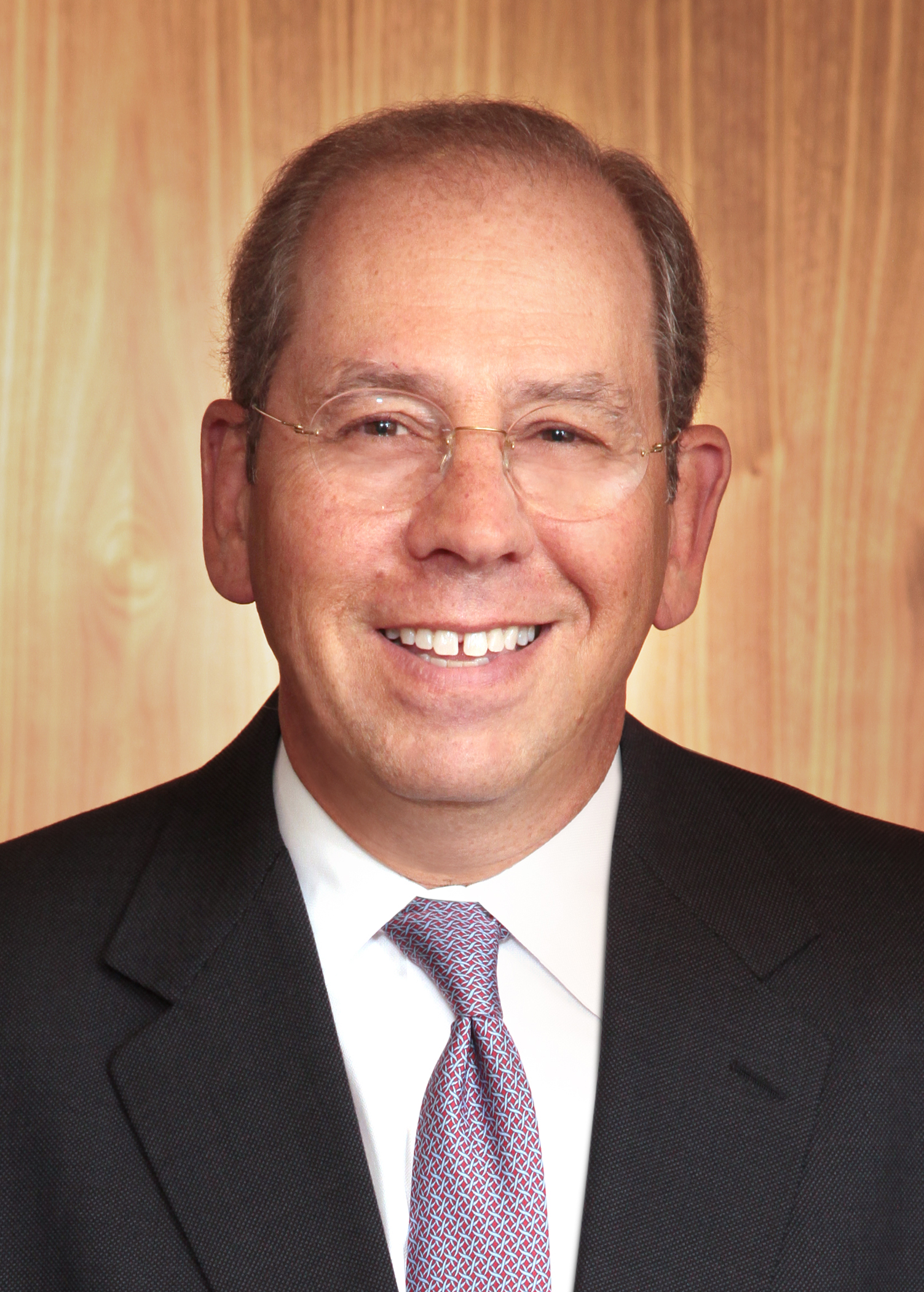
Frank Leto is the President and CEO of Bryn Mawr Bank Corporation (NASD: BMTC) and Bryn Mawr Trust. Mr. Leto has been President since May 1, 2014, and Chief Executive Officer since January 1, 2015, as well as Chief Operating Officer from May 1, 2014 through December 31, 2015. He was also the Executive Vice President and head of the Bank’s Wealth Management Division from January 2009 through April 2014, and General Counsel of the Bank from April 2012 to April 2014.
The bank has made very bold moves to expand regionally. “Over the last eight years or so, we have completed nine acquisitions. Royal Bank is our 10th one and will be completed in the next few weeks before year end. To take you quickly through them, in 2010 we acquired a bank called First Keystone Bank located in Delaware County, Pennsylvania, which is a contiguous county to Bryn Mawr Trust, and so it gave us a good strong foundation in that county. In 2012, we actually had two acquisitions that year. We first acquired Davidson Trust Company, which was a trust company located in market about $1 billion of assets. The year previous to that, in 2011, we acquired Hershey Trust Company’s private wealth management group that had about $1.1 billion in assets that was being managed in Hershey, Pennsylvania in Central Pennsylvania. We acquired that group and have continued to operate that in Hershey.”
The growth phase has included an insurance subsidiary as well. “In 2014, we acquired our first insurance agency, and subsequent to that we merged our existing insurance agency into that one, and that has formed the basis of growing the group. Subsequent to that we acquired RM McAllister Agency, and then most recently in May of this year we acquired the Hirshorn Boothby agency.”
Read the entire interview with complete details about CEO Frank Leto’s plans for the Bryn Mawr Bank in the Wall Street Transcript.
Rex L. Smith III is a Director, and the President and Chief Executive Officer of Community Bankers Trust Corporation and Essex Bank (NASDAQ:ESXB). Mr. Smith has been a director of the company since 2011. Mr. Smith has been President and Chief Executive Officer of the company and the bank since 2011. He served as the bank’s Executive Vice President and Chief Banking Officer from 2010 to 2011, and he held the responsibilities of President and Chief Executive Officer of the company and the bank, including serving as Executive Vice President of the company, for eight months in 2010 and 2011.
From 2009 to 2010, he was the bank’s Executive Vice President and Chief Administrative Officer. From 2007 to 2009, he was the Central Virginia President for Gateway Bank and Trust, and from 2000 to 2007, he was President and Chief Executive Officer of The Bank of Richmond. Mr. Smith has over 35 years of experience in the banking industry and a unique perspective from the management experiences that he has had with different banks. He is also intimately aware of the particular opportunities and challenges facing the company and the bank, as he has been a member of executive management for eight years.
In his exclusive interview with the Wall Street Transcript, Mr. Smith details the strategy and tactics for developing a small regional bank.
“We have added two or three new branches a year. Most recently, we have gone into a new market in Lynchburg, Virginia. We opened a loan production office that has been there for a few years. We opened a branch up in May. Then, just recently, in fact Monday — December 4, 2017 — we opened our second location in Lynchburg. It is a market that we like as it is contiguous to the Central Virginia market with a lot going on. We have continued to expand in the Maryland market. In Richmond, we opened a new branch in the Short Pump area this year. We have a second one planned in the Midlothian area of Richmond.
So we have done a lot of de novo, but I think we also have some excess capital. At some point, we will run across another bank that is tired of trying to fight the battle and does not have the size to make the economics of scale work and has similar types of growth patterns. Somewhere among the Maryland and Virginia geography, we are going to find somebody and join up and partner with them.”
Rex Smith also highlights some of the unusual marketing tactics that has increased his bank’s brand awareness:
“TWST: Can you provide an example of what you think will be a point of uniqueness, even if it is something small?
Mr. Smith: We have pet days at our branches that we discuss on social media. If you go to Facebook and Twitter, you can see we announce the pet of the week. People bring in cats and dogs. We had a potbellied pig come in one day.
We are trying to make it a unique and fun atmosphere for our clients so they feel comfortable coming into a financial institution. That is one of the examples. One of our branch managers picked up on the fact that there were people who were leaving their pets in cars when it was hot or cold, and so now we are encouraging them to bring the pet in, and we are taking photos and giving away some prizes.
We do “Lunch On Us” throughout the year at the branches, where we go out and grill lunches and do giveaways. We are encouraging our customers to come in and interact so we can learn about each other.”
To get the full picture of the Community Bankers Trust Corporation and Essex Bank plans for growth, read the entire interview at the Wall Street Transcript.

Chris Kotowski is a Managing Director and a Senior Analyst at Oppenheimer & Co. Inc. Mr. Kotowski covers the large-cap banks and brokers, private equity companies and the business development corporations. Mr. Kotowski originally joined Oppenheimer in 1985 as a research associate in the banks franchise and was promoted to Senior Bank Analyst two years later. Over the next nine years, he led a team of four in covering over 45 stocks, supporting both large-cap institutional efforts and the firm’s small-cap franchise. During this time, he was often represented in Institutional Investor’s annual rankings and was consistently ranked among the firm’s top analysts. In this exclusive interview with the Wall Street Transcript, Mr. Kotowski reviews the landscape of financial institution stocks.
“I’ve been covering these stocks on and off for 30 years, and there is always a fairly large population of bank haters and bank skeptics. That is why these stocks tend to trade, like I said, between 60% and 80% relative to p/e. What I would tell you is that I have never seen the banks actually be as well-managed and as de-risked as they are now and yet, at the same time, have as many skeptics as there are. I think it is a healthy combination.”
The Oppenheimer & Company analyst picks out one large bank stock as his current favorite.
“Citigroup (NYSE:C) remains one of the few really excellent values. It is still trading fairly cheap in absolute terms. The stock is $73 with tangible book at about $67, so it is trading at a very small premium to tangible book at a time when most bank stocks are trading, say, between 1.8 and two times tangible book. It is still very cheap. Citibank, for all that, was the poster child of everything that went wrong in the first decade of the 2000s.
It is a consistently profitable company. It has been earning $15 billion or so a year for the last three years. Just to put that into perspective, that is more than Amazon (NASDAQ:AMZN), Facebook (NASDAQ:FB) and Netflix (NASDAQ:NFLX) combined. So it is a very profitable company. It doesn’t have the growth of those other companies, but it generates a lot of earnings, and it will return $15 billion to $20 billion of capital a year for the next couple of years because its capital generation is actually in excess of the reported earnings. It will be a good stock for the next two years.”
For more top financial stocks from this sage investment analyst, read the entire interview in the Wall Street Transcript.
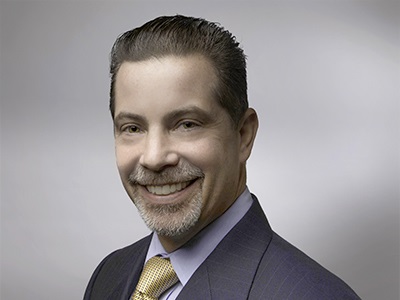
Eric R. Heyman is the Executive Vice President, Portfolio Manager and Director of Research of Olstein Capital Management, L.P., and the Portfolio Manager of the Olstein Strategic Opportunities Fund and Olstein All Cap Value funds.
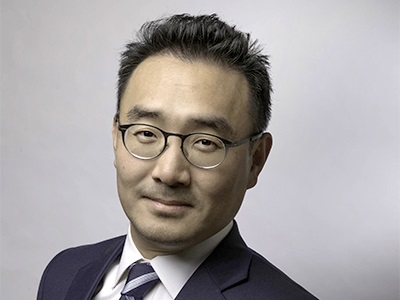
Timothy S. Kang, is the Senior Vice President and Senior Research Analyst for Olstein Capital Management, L.P. which he joined in April 2006. Previously, he held the position of Vice President/Equity Research Analyst with Citigroup Asset Management covering Asia ex-Japan financial companies and assisted in covering U.S. banks.
These two highly experienced portfolio managers review a number of their top picks and the methodology they use in choosing them in their exclusive interview in the Wall Street Transcript. The focus for these experts is on smaller cap public companies: “…when most investors are thinking — small-to-midsized companies, they think of fast-growing companies and finding the next big concept or technology. We emphasize looking for what are undervalued companies or situations where companies are undertaking turnaround strategies that shift their internal focus to greater efficiency or increasing shareholder value. The companies that we own have solid cash flow, great balance sheets. So they have flexibility to increase dividends or buy back stock or pay down debt — actions that return free cash flow to shareholders.”
A good starting point is one of their current favorites. “Spartan Motors (NASDAQ:SPAR) is a play on the growth of e-commerce as the company is the leading producer of last-mile delivery vehicles — Utilimasters is what they are called — including walk-in vans, truck bodies and cargo van upfits. A commonly cited statistic is that e-commerce is expected to grow at three times the rate of GDP. It is expected that over 64 million packages will be delivered daily by 2026; all of those packages need to be delivered somehow, and Spartan has the number one position in last-mile delivery vehicles.”
To get more insight into Spartan Motors and many other top picks from Timothy Kang and Eric Heyman, read the entire interview in the Wall Street Transcript.
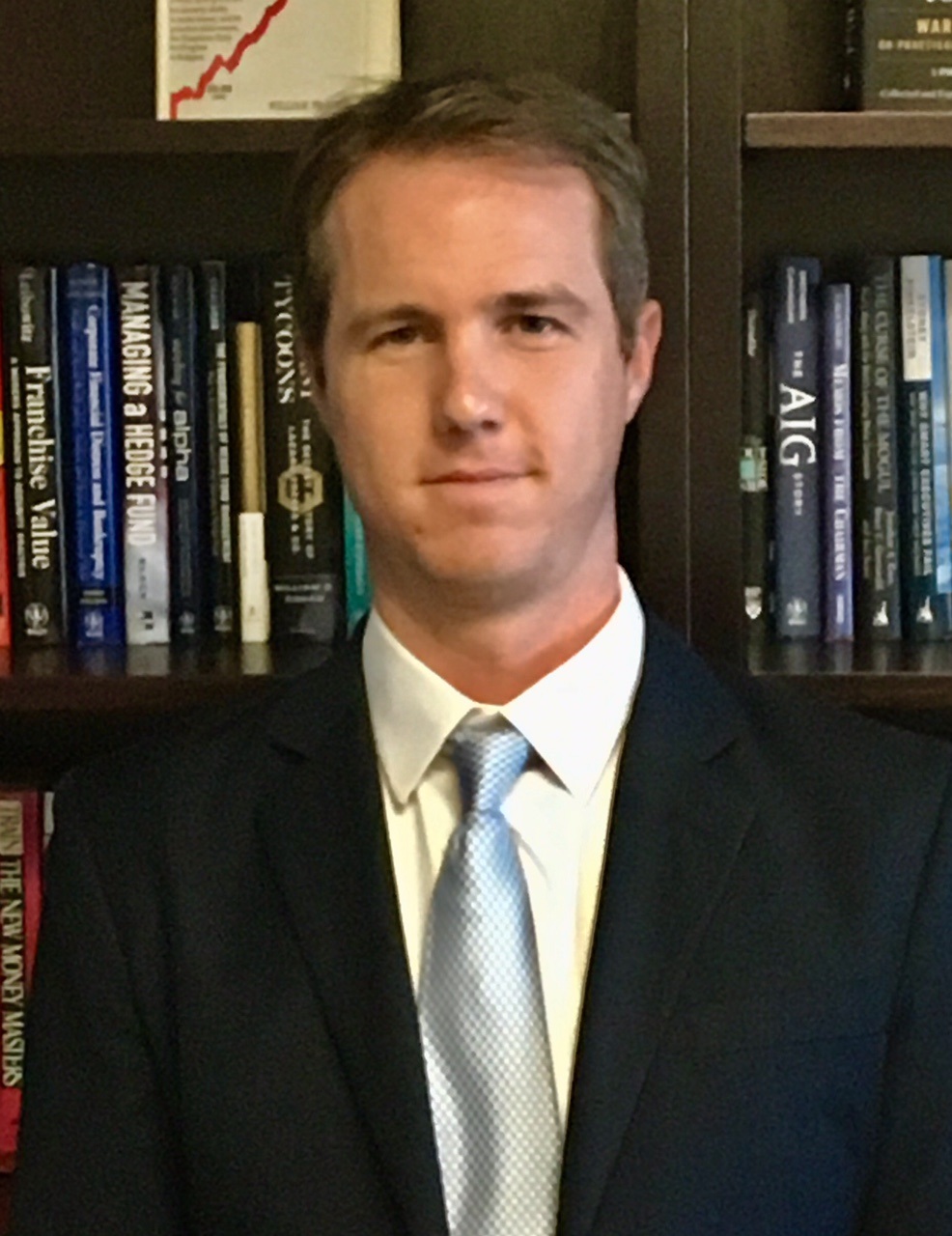
Brian Laks, CFA, is a Research Analyst at Old West Investment Management, LLC. He is a member of the Portfolio Management Team and Old West Investment Committee. Prior to joining Old West, Mr. Laks was a research analyst at NWQ, an affiliate of Nuveen Investments. He earned his undergraduate degree and MBA from the Marshall School of Business at the University of Southern California.
In this exclusive interview with the Wall Street Transcript, Brian Laks explains the inception of their investment philosophy: “…We manage about $200 million across a few different strategies, and our philosophy focuses a lot on people. We look at insider transactions and insider ownership, and also follow a number of investors with great track records. If we can find a company that has significant insider ownership where insiders have recently been buying, and it’s owned by a number of smart investors, that’s usually a good starting point for us to begin a more traditional value analysis.”
The insider trading activity is used as an indicator of significant inflection points. For example, an investment in Enphase Energy (NASDAQ:ENPH) created an opportunity for the portfolio manager. “And so in January of 2017, we saw just that. There was a large strategic investment from T.J. Rodgers, who was the Founder and former CEO of Cypress Semiconductor (NASDAQ:CY), and as part of the investment, he was appointed to the board of directors. He has a long history in the technology industry. He founded Cypress in 1982 and grew it into a multibillion-dollar company before he retired in 2016. He also had experience in the solar industry as Chairman of SunPower (NASDAQ:SPWR) during its IPO. So he comes on, brings in consultants from McKinsey who he had worked with before, and they started to grapple with some of these cost issues and essentially initiated a companywide restructuring.”
To see more examples of this type of innovative stock picking read the entire interview in the Wall Street Transcript.

Jason Lazarus, CFA, Vice President and Portfolio Manager of the Intrepid Income Fund, joined Intrepid Capital Management, Inc., in 2009. In his exclusive interview with the Wall Street Transcript, Mr. Lazarus details his portfolio picking philosophy as well as several top picks and the rationale for his purchase of that security.
“Intrepid has a long history applying fundamental value-based analysis to small-cap stocks in particular. Of course, there are a lot of managers that follow the same philosophy, but we think we’re truly unique in a few ways. First, we follow a strict absolute-return orientation, so we don’t use relative valuation metrics to value companies. We’ve got a very long-term focus. So that frees us from the need to be fully invested at all times. This basically means that if we can’t find an attractively priced security, the default will be cash or a T-bill.”
The inclusion of debt investing gives the money manager the opportunity to give his investors a significant current return as well as preserving upside potential. “…the process really extends nicely to high yield corporates, which have traditionally been an asset class with mispricings. Often, many small-cap stocks are also high yield companies simply because they’re smaller. Traditionally, we’ve been high yield investors on the fixed income side, although right now the asset class is very picked over in our opinion. Like the equity process, we’ve got a very flexible mandate. We can invest in a broad array of income-producing securities, including investment-grade, high yield, convertible bonds, preferred stock, dividend-paying equity.”
One example of this investment analysis is a high return, high yielding Florida real estate company.
“Consolidated-Tomoka Land Company (NYSEAMERICAN:CTO). It’s a Florida-based owner of office and retail income-producing properties across the U.S. It’s got roughly 2.1 million in square feet in retail and office space. And it’s concentrated in higher growth markets. The interesting thing about Consolidated is that it also owns about 8,000 acres of undeveloped land near I-95 in Daytona Beach, Florida, which it’s been monetizing over the past few years…management surprised us this year recently by securing some very attractive prices on a large portion of that land…”
To see many more examples, read the entire interview with Jason Lazarus in the Wall Street Transcript.
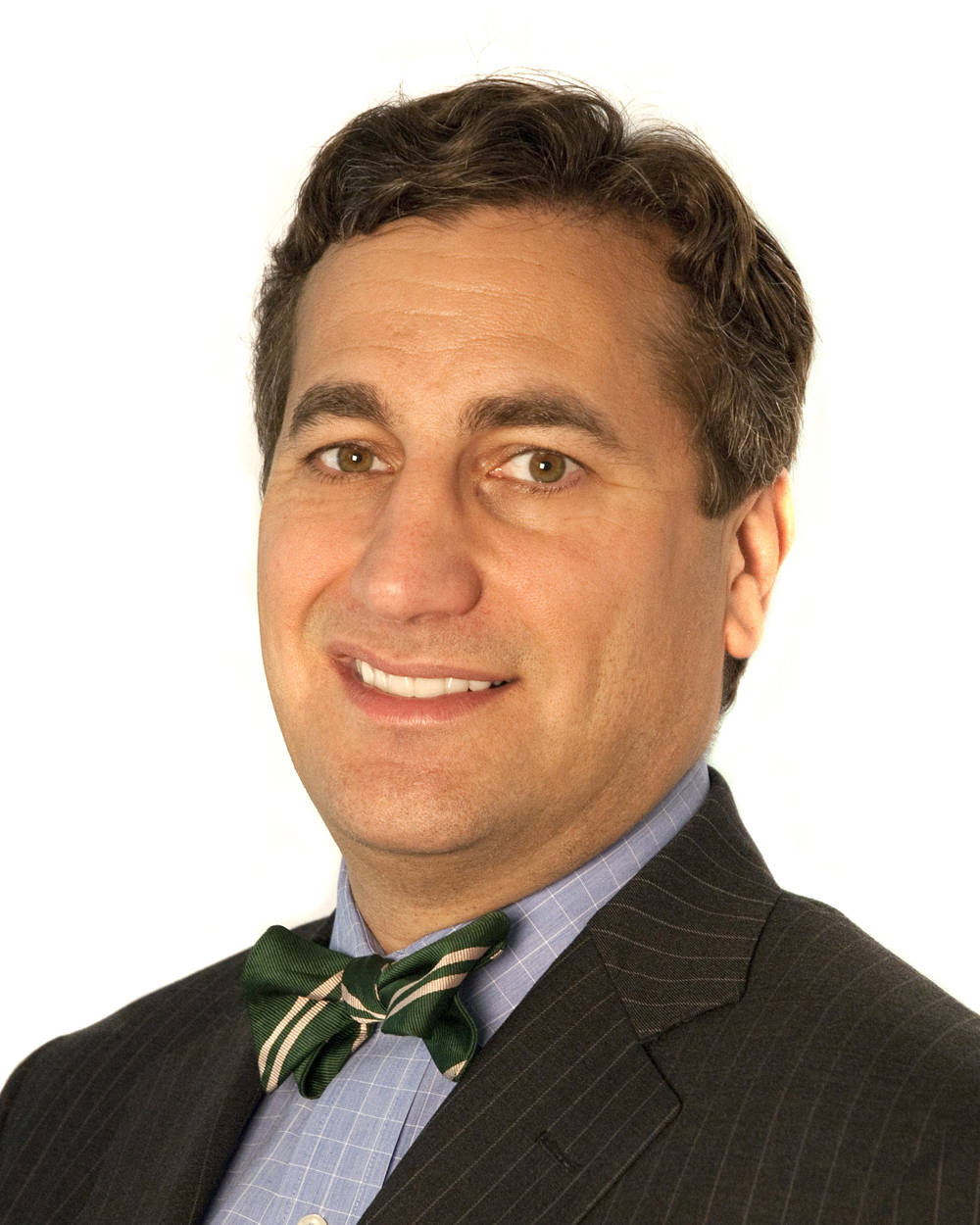
Gregg T. Abella is a Co-Principal and Portfolio Manager at Investment Partners Asset Management. He began his professional career at Chubb & Son in the International Division of the Surety Credit Department handling Latin America and Europe. Mr. Abella subsequently held a number of positions with Chubb, ultimately establishing and managing the Guaranty Department for its subsidiary, Chubb do Brasil, in Sao Paulo, Brazil. In his exclusive interview with the Wall Street Transcript, Mr. Abella details the philosophy that fuels his investment picks.
“We do invest in funds and ETFs, for sure, and we also invest directly in individual companies. Within fund sleeves, we try to specialize in unique streams of income through MLPs and business development companies, and then we also like to invest in large, mid and small-cap value and special situation investments. We like closed end funds when they trade at discounts to asset value, and then we use open ends and ETFs to get access to a lot of other different asset classes that we might not have expertise internally, but we do a lot of deep-dive diligence into the funds and fund families, to try to get what we feel are best-in-breed.”
One interesting take is the presence of bank loans in the overall portfolio. “Bank loans — funds — are exactly as they sound; they are funds that buy corporate senior secured loans that are variable-rate like working capital loans. And as rates go up, the income that you receive off of that stream of investments goes up. So in a rising rate environment, if we have inflation while long-dated bonds might recede in principal, hopefully, by being a senior in the capital structure and having a variable rate, you’d maintain principal and possibly even get capital appreciation. The one fund in particular that does this strategy is the Oppenheimer Senior Floating Rate Fund; the symbol is OOSYX.”
To get more investment recommendations from Gregg Abella, read the entire interview at the Wall Street Transcript.